SUKHUMI, GEORGIA —
Syria’s civil war has created more than one million refugees. Many live in border camps in Turkey, Jordan or Lebanon.
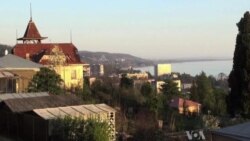
But a lucky few are finding shelter on the Black Sea coast, in Abkhazia, a breakaway territory of Georgia. This sunny strip of beaches and forests once was called “Russia’s Riviera.”
They are Syrian Abkhaz, coming home 150 years after the Russian czar deported their Muslim ancestors to the Ottoman Empire, the forerunner of modern Turkey.
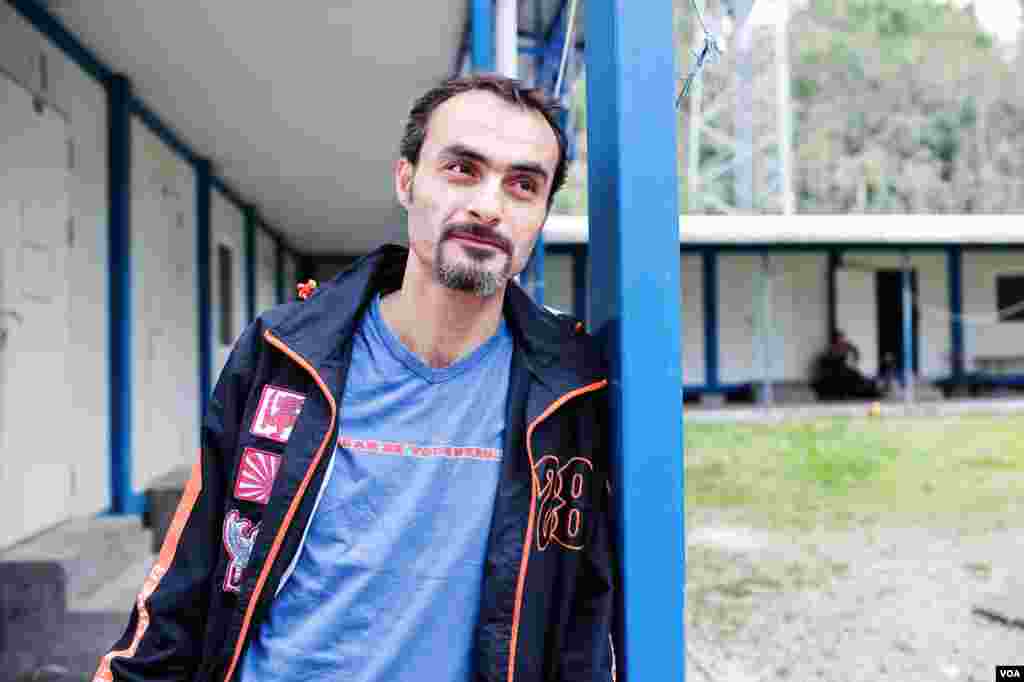
Elbrus Abhaza was a French teacher in Damascus. It’s my origins - Abkhazia,” he said of his ancestral homeland, which he first saw when he arrived from Syria in January. “We have roots, roots in Abkhazia.”
Syrian Refugees Find a Home in Abkhazia
1/11Abkhaz Syrian refugees are housed in blue and white prefabricated houses, installed in Sukhumi for United Nations peacekeeping monitors who worked in Abkhazia after the 1992-1993 war. (V. Undritz for VOA)
Syria's civil war has created more than one million refugees, most of whom live in border camps in Turkey, Jordan, and Lebanon. But a few have found shelter in Abhazia, Georgia, a sunny strip of beaches and forests that was once called "Russia's Riviera."
Show moreShow less
2/11Installed for peacekeepers, this dining room now serves meals for 75 Abkhaz Syrian refugees. (V. Undritz for VOA)
Syria's civil war has created more than one million refugees, most of whom live in border camps in Turkey, Jordan, and Lebanon. But a few have found shelter in Abhazia, Georgia, a sunny strip of beaches and forests that was once called "Russia's Riviera."
Show moreShow less
3/11Noor Wadkhuka, with her 10-year old son Gyakhra, pours tea for visitors. (V. Undritz for VOA)
Syria's civil war has created more than one million refugees, most of whom live in border camps in Turkey, Jordan, and Lebanon. But a few have found shelter in Abhazia, Georgia, a sunny strip of beaches and forests that was once called "Russia's Riviera."
Show moreShow less
4/11Sami Emha runs the dining room, helping to cook for 75 refugees. (V. Undritz for VOA)
Syria's civil war has created more than one million refugees, most of whom live in border camps in Turkey, Jordan, and Lebanon. But a few have found shelter in Abhazia, Georgia, a sunny strip of beaches and forests that was once called "Russia's Riviera."
Show moreShow less
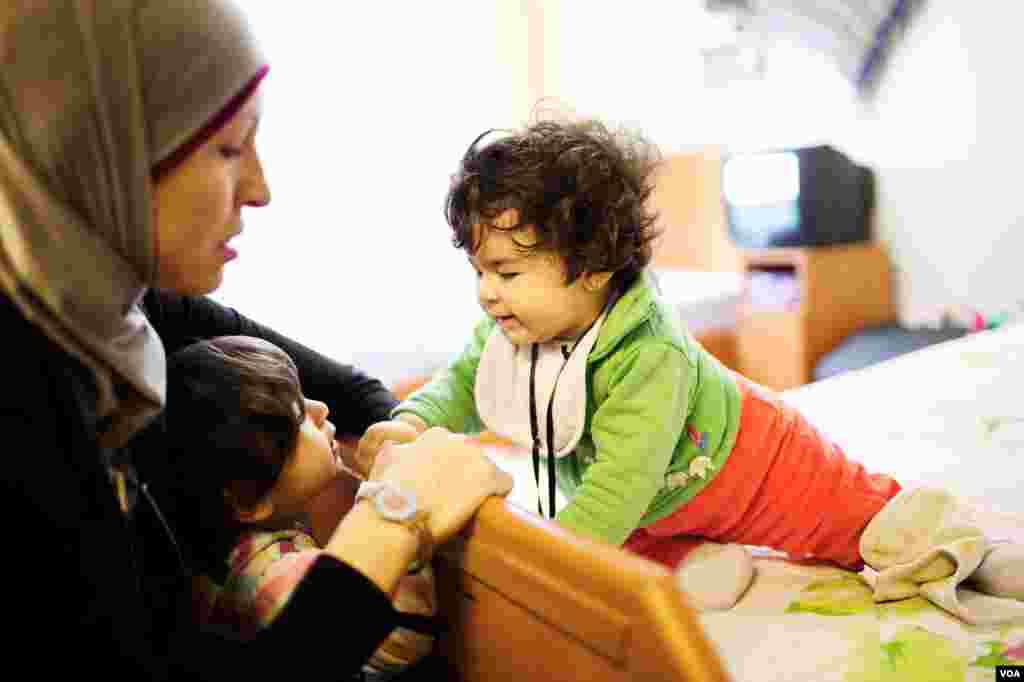
5/11Basima Marshan, a former museum curator in Damascus, plays with her baby, Sana, while her 2-year-old daughter Sara, watches. (V. Undritz for VOA)
Syria's civil war has created more than one million refugees, most of whom live in border camps in Turkey, Jordan, and Lebanon. But a few have found shelter in Abhazia, Georgia, a sunny strip of beaches and forests that was once called "Russia's Riviera."
Show moreShow less
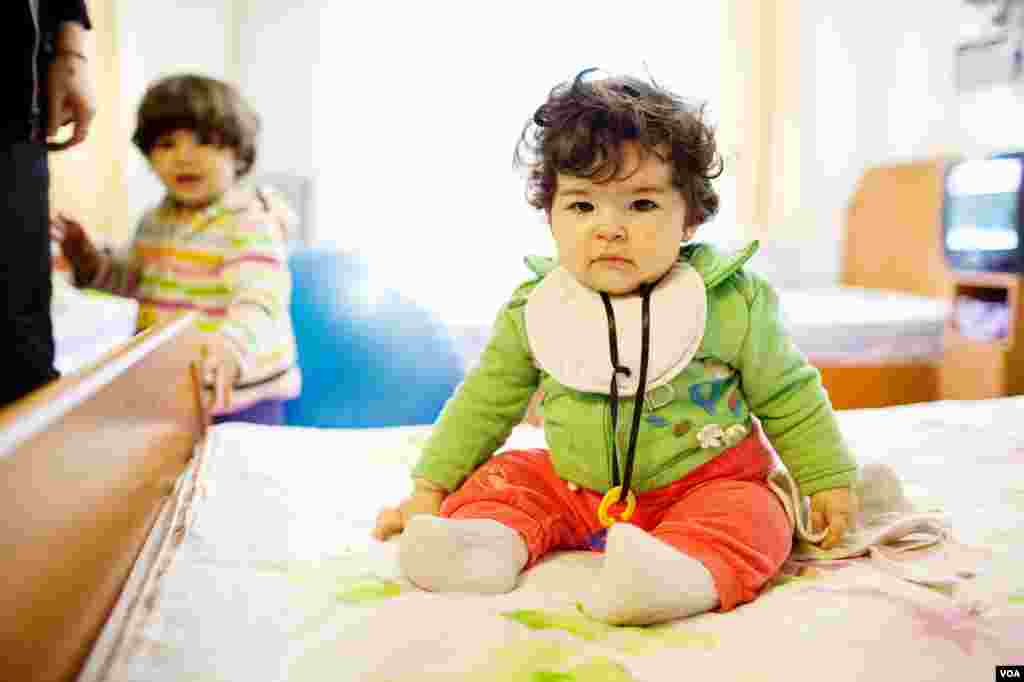
6/11Syrian-born sisters, Sana and Sara, are the faces of Abkhazia’s new generation. (V. Undritz for VOA)
Syria's civil war has created more than one million refugees, most of whom live in border camps in Turkey, Jordan, and Lebanon. But a few have found shelter in Abhazia, Georgia, a sunny strip of beaches and forests that was once called "Russia's Riviera."
Show moreShow less
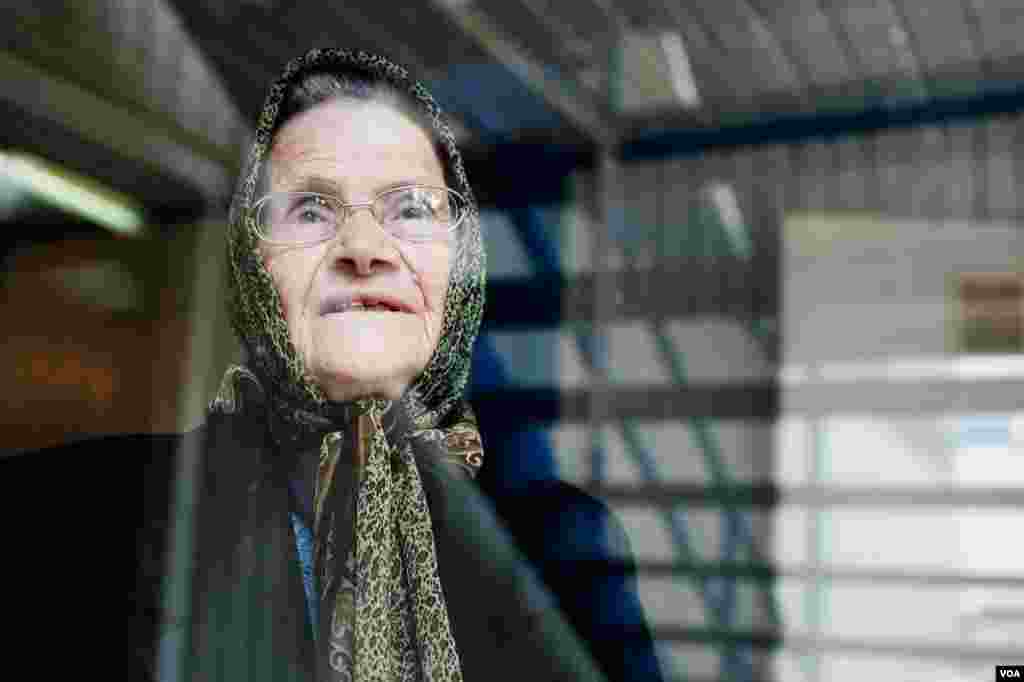
7/11Laman Jadker adjusts to life in the land of her ancestors, a land she had only heard about in her Syrian village. (V. Undritz for VOA)
Syria's civil war has created more than one million refugees, most of whom live in border camps in Turkey, Jordan, and Lebanon. But a few have found shelter in Abhazia, Georgia, a sunny strip of beaches and forests that was once called "Russia's Riviera."
Show moreShow less
8/11Walid Wadjukh served as a Syrian-Abkhaz volunteer in Abkhazia's 1992-1993 war. Last year, Wadjukh decided to move his family to Abkhazia. (V. Undritz for VOA)
Syria's civil war has created more than one million refugees, most of whom live in border camps in Turkey, Jordan, and Lebanon. But a few have found shelter in Abhazia, Georgia, a sunny strip of beaches and forests that was once called "Russia's Riviera."
Show moreShow less
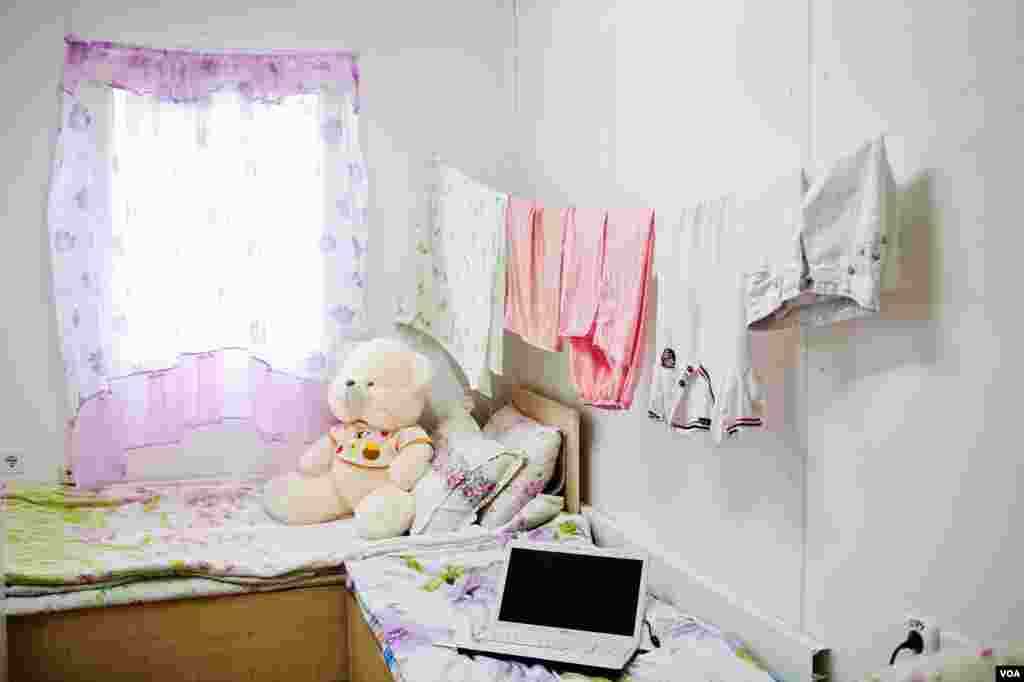
9/11The bedroom nook of the Wadjukhs’ 14-year-old daughter. (V. Undritz for VOA)
Syria's civil war has created more than one million refugees, most of whom live in border camps in Turkey, Jordan, and Lebanon. But a few have found shelter in Abhazia, Georgia, a sunny strip of beaches and forests that was once called "Russia's Riviera."
Show moreShow less
10/11Elbrus Abaza taught French in a Damascus suburb before coming to Abkhazia. (V. Undritz for VOA)
Syria's civil war has created more than one million refugees, most of whom live in border camps in Turkey, Jordan, and Lebanon. But a few have found shelter in Abhazia, Georgia, a sunny strip of beaches and forests that was once called "Russia's Riviera."
Show moreShow less
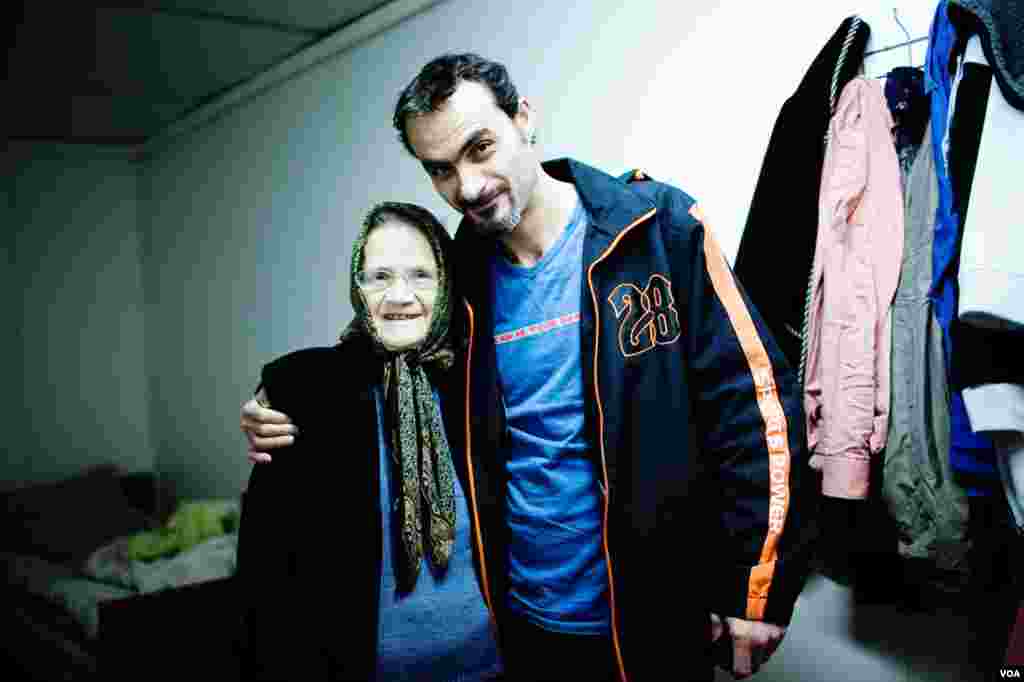
11/11Elbrus Abasa and his grandmother, Laman Jadker, face the future in Abkhazia together. (V. Undritz for VOA)
Syria's civil war has created more than one million refugees, most of whom live in border camps in Turkey, Jordan, and Lebanon. But a few have found shelter in Abhazia, Georgia, a sunny strip of beaches and forests that was once called "Russia's Riviera."
Show moreShow less
Previous slide
Next slide
Before Syria’s civil war, Abkhazia fought its own civil war.
Administered during Soviet years as an autonomous region of Georgia, Abkhazia won de facto independence in 1993 by expelling Georgian troops and ending Georgian control. A Russian military presence, first established in the 1990s, was greatly expanded after Russia defeated Georgia in a short war in 2008.
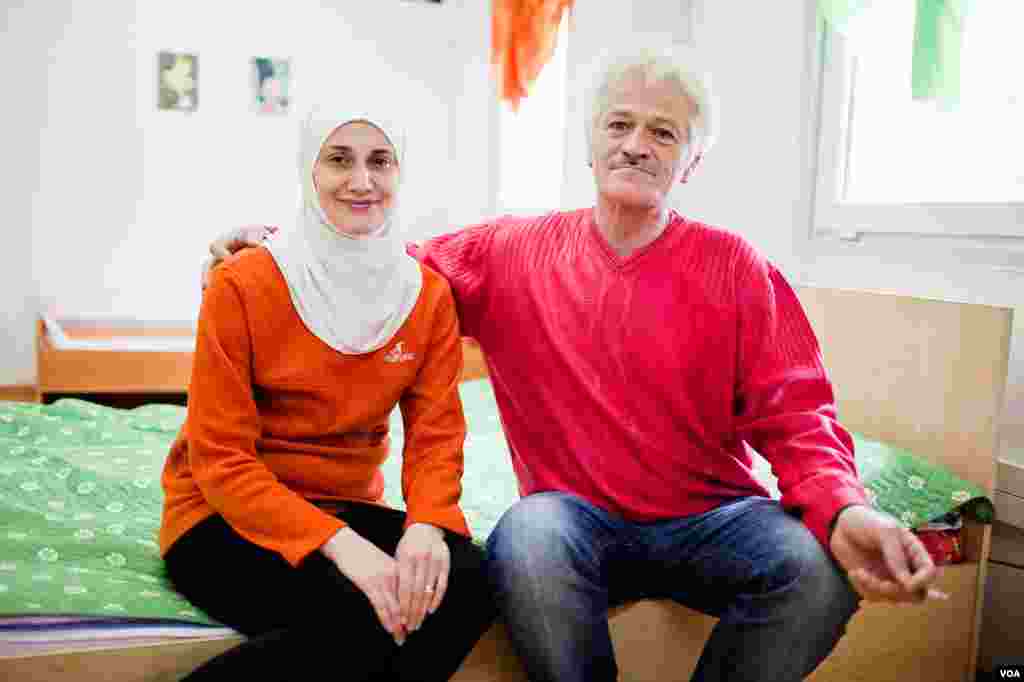
Twenty years ago, Walid Wadjukh fought in Abkhazia’s secessionist war, serving as a volunteer from the Abkhaz diaspora. Six month ago, when Syria’s war came to his Damascus suburb, this flower seller and father of three moved his family to his ancestral homeland.
“The best place is where you can live peacefully,” he said, talking in his temporary apartment, accompanied by his wife Noor, and his 10-year-old son, Gyakhra. “Here we live peacefully. And they help us as well. People here help us, and they don’t bother us.”
With Abkhazia now peaceful, the Syrian refugees moved into blue-and-white housing vacated four years ago when a U.N. cease-fire observer mission ended work here.
Abkhazian government official Viacheslav Chirikba said 200 Syrian Abkhaz already have arrived. Another 150 are to come by the end of April.
“We want to help our brothers who are in need and in danger now in Syria, and to assist them in any way possible which we can provide them,” said Chirikba, foreign minister of a region recognized as independent by only two major countries, Russia and Venezuela. All other major countries say Abkhazia is still part of Georgia.
Although few of the refugees speak Russian or Abkhaz, Chirikba said they are needed as Abkhazia slowly rebuilds from its own war.
“Many of them have very useful professions - electricians - we have a need of them,” he said. “So many of them already start working, which is very good.”
At Sukhumi’s hilltop campus of Abkhaz State University, Beslan Baratelia says Abkhazia has a long-standing program to encourage ethnic Abkhaz to come home from Turkey.
“Repatriation has already been happening in Abkhazia for around 20 years,” said Baratelia, who is dean of economics. “A repatriation fund was created in Abkhazia that focuses on helping those who have returned to their historical motherland to adapt.”
Many houses are empty here. After separatist forces won control of Abkhazia in 1993, half of the population - 200,000 ethnic Georgians - were forced to flee.
In Tbilisi, Georgia, demonstrators say that if Abkhazia wants to boost its population, it should let Georgians return to their houses.
But Izida Chania, editor of Nujnaya Gazeta, said the population policy is ethnic, not just economic.
“We are trying to increase the quantity of ethnic Abkhaz living in Abkhazia,” she said, in her office located across Freedom Square from a burned out high-rise that was the final headquarters for Georgian soldiers here 20 years ago. "For us it's really important to understand exactly what kind of people are moving here, what kind of relationship they have with Abkhazia."
So Abkhazia rebuilds its population, drawing ethnic Abkhaz refugees from 1,000 kilometers away - and shunning ethnic Georgian refugees from 100 kilometers away.