ភ្ជាប់​ទៅ​គេហទំព័រ​ទាក់ទង

ព័ត៌មាន​​ថ្មី

VOA Celebrates 75 Years on the Air

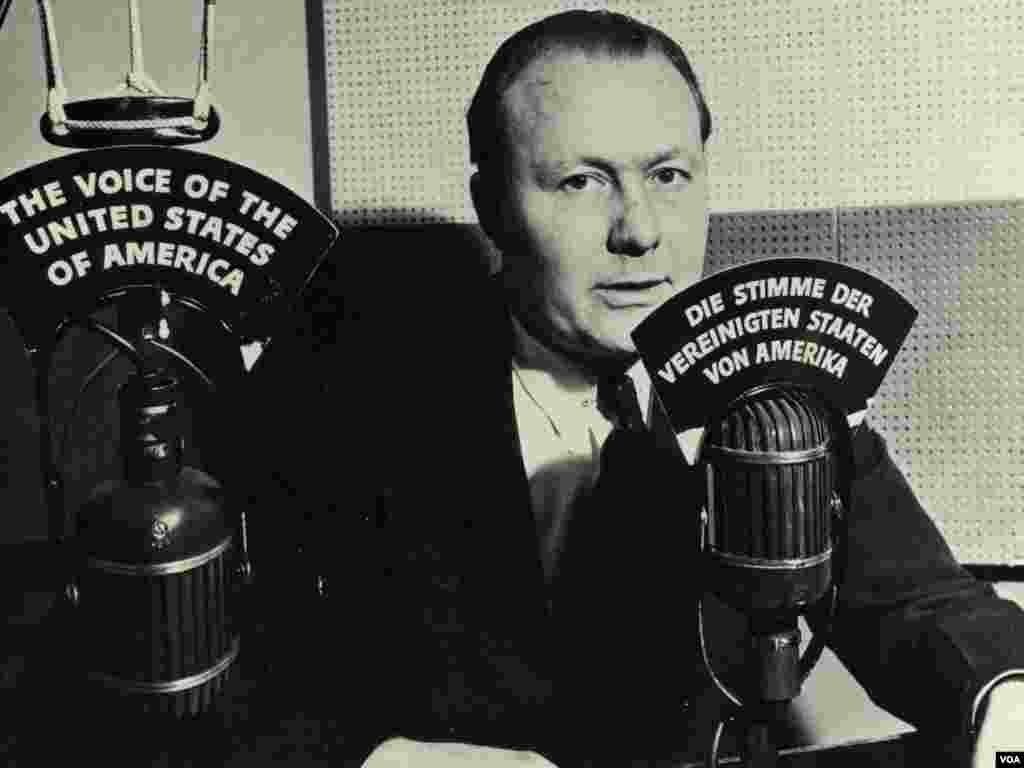
FILE - Early German-language VOA broadcaster, Robert Bauer.

As of 2016, VOA's weekly audience across all platforms averaged more than 236 million people worldwide.

A little more than seven weeks after the United States officially entered World War II, a live, 15-minute shortwave radio broadcast was transmitted into Germany from a small studio in New York City on February 1, 1942.

It was introduced by the American patriotic song "The Battle Hymn of the Republic." Then, announcer William Harlan Hale's voice could be heard saying: “We bring you Voices from America. Today, and daily from now on, we shall speak to you about America and the war. The news may be good for us. The news may be bad. But we shall tell you the truth.”

That was the very first broadcast from what, 75 years later, is now the Washington-headquartered Voice of America.

By the end of the war, VOA was broadcasting in 40 languages, with programming consisting of music, news and commentary.

VOA Historical Images and Personalities
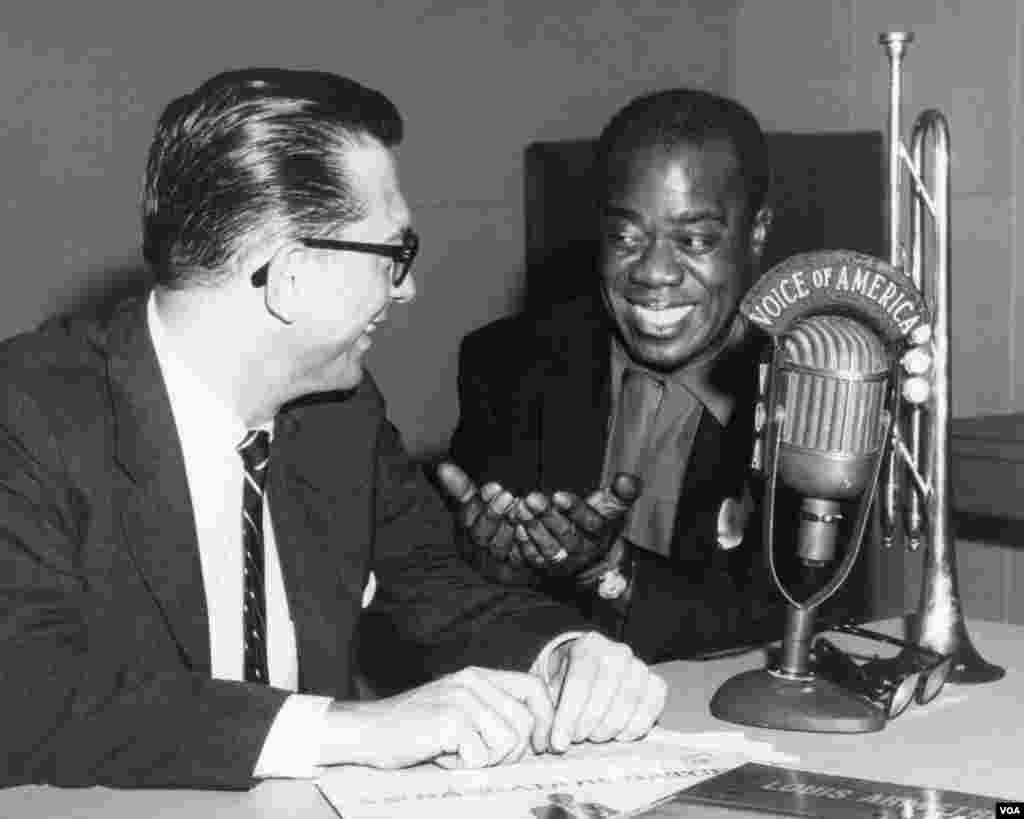
VOA jazz broadcaster Willis Conover interviews the legendary Louis Armstrong.
1/10 VOA jazz broadcaster Willis Conover interviews the legendary Louis Armstrong.
VOA is celebrating its 70th anniversary. Here is a look at VOA's early work and facilities, in the studio and in the field.
Broadcaster Robert Bauer back in 1942. VOA's first broadcasts were in German.
2/10 Broadcaster Robert Bauer back in 1942. VOA's first broadcasts were in German.
VOA is celebrating its 70th anniversary. Here is a look at VOA's early work and facilities, in the studio and in the field.
John Houseman, VOA's first Director: 1942-1944
3/10 John Houseman, VOA's first Director: 1942-1944
VOA is celebrating its 70th anniversary. Here is a look at VOA's early work and facilities, in the studio and in the field.
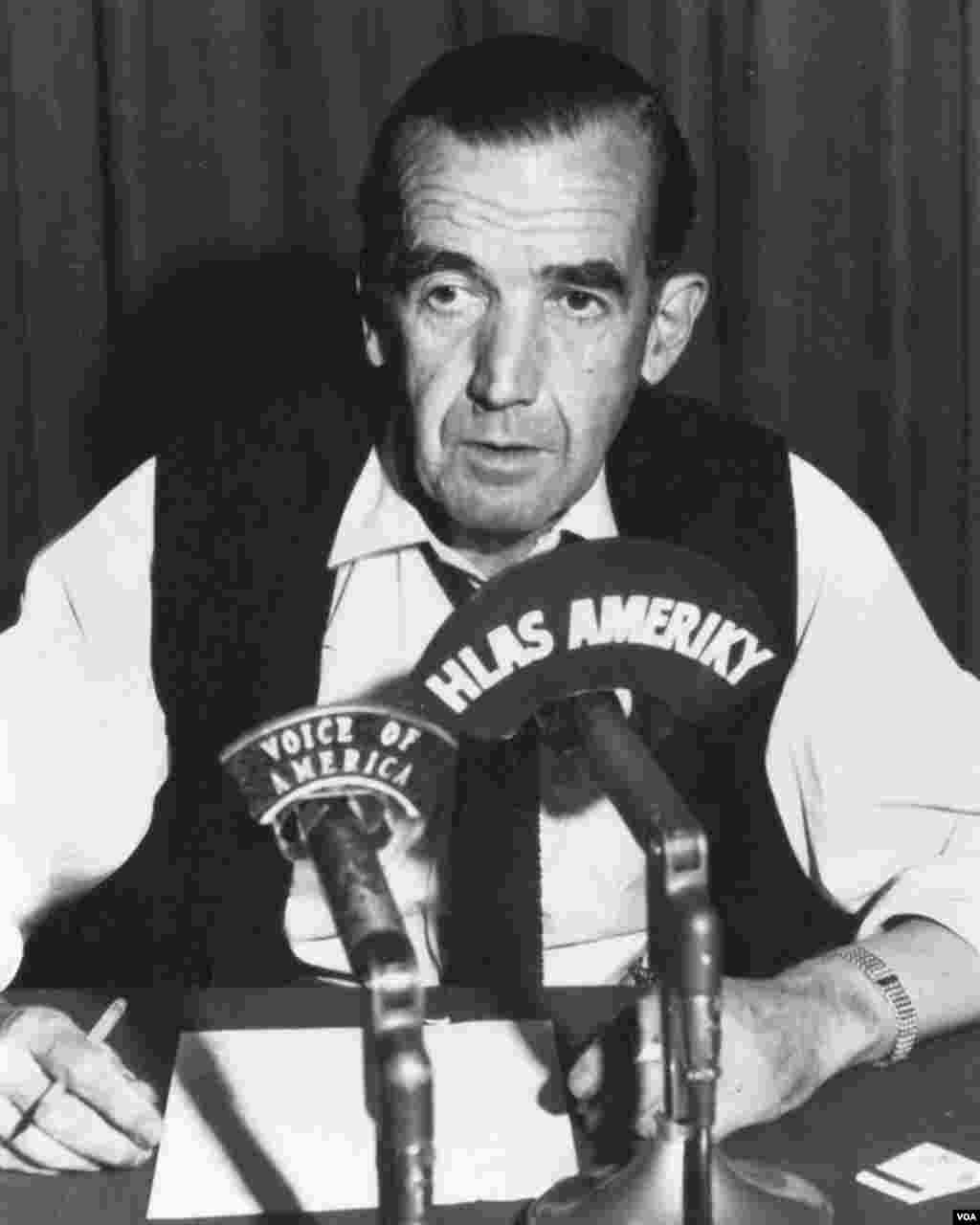
Edward R. Murrow, Director of VOA's parent agency, the U.S. Information Agency. 1961-1964
4/10 Edward R. Murrow, Director of VOA's parent agency, the U.S. Information Agency. 1961-1964
VOA is celebrating its 70th anniversary. Here is a look at VOA's early work and facilities, in the studio and in the field.
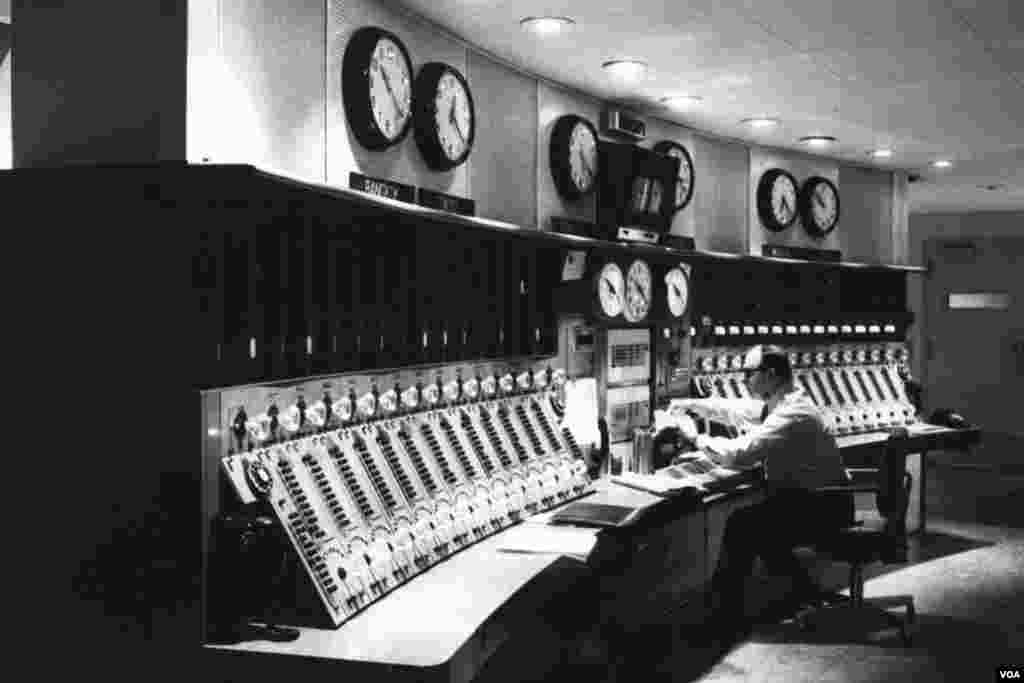
An early shot of VOA's master control room.
5/10 An early shot of VOA's master control room.
VOA is celebrating its 70th anniversary. Here is a look at VOA's early work and facilities, in the studio and in the field.
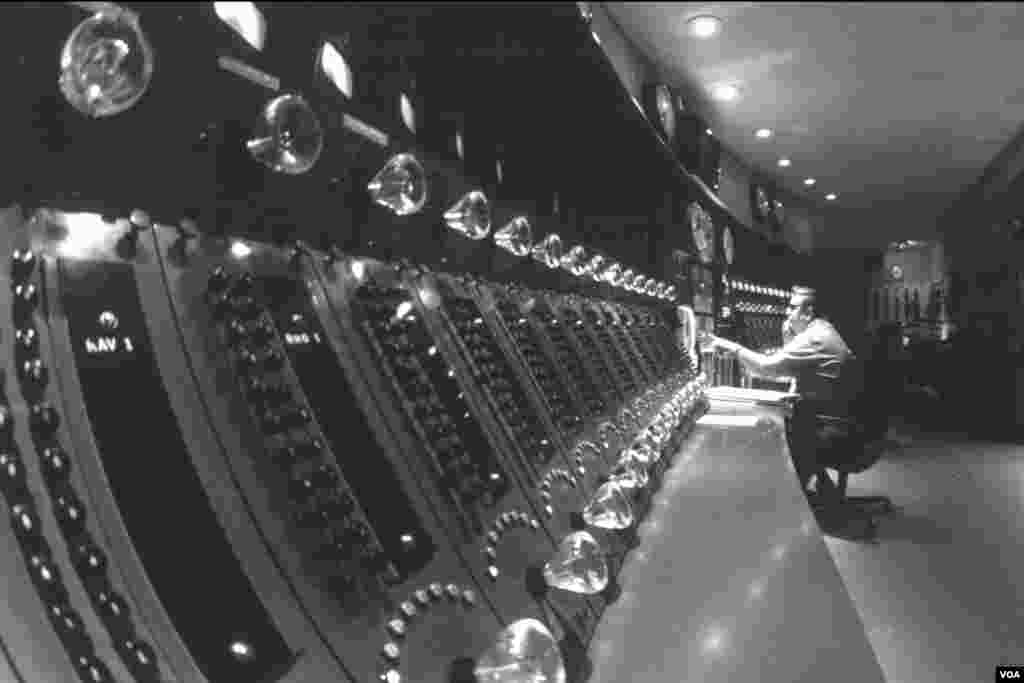
VOA's "modern" master control console, circa 1953.
6/10 VOA's "modern" master control console, circa 1953.
VOA is celebrating its 70th anniversary. Here is a look at VOA's early work and facilities, in the studio and in the field.
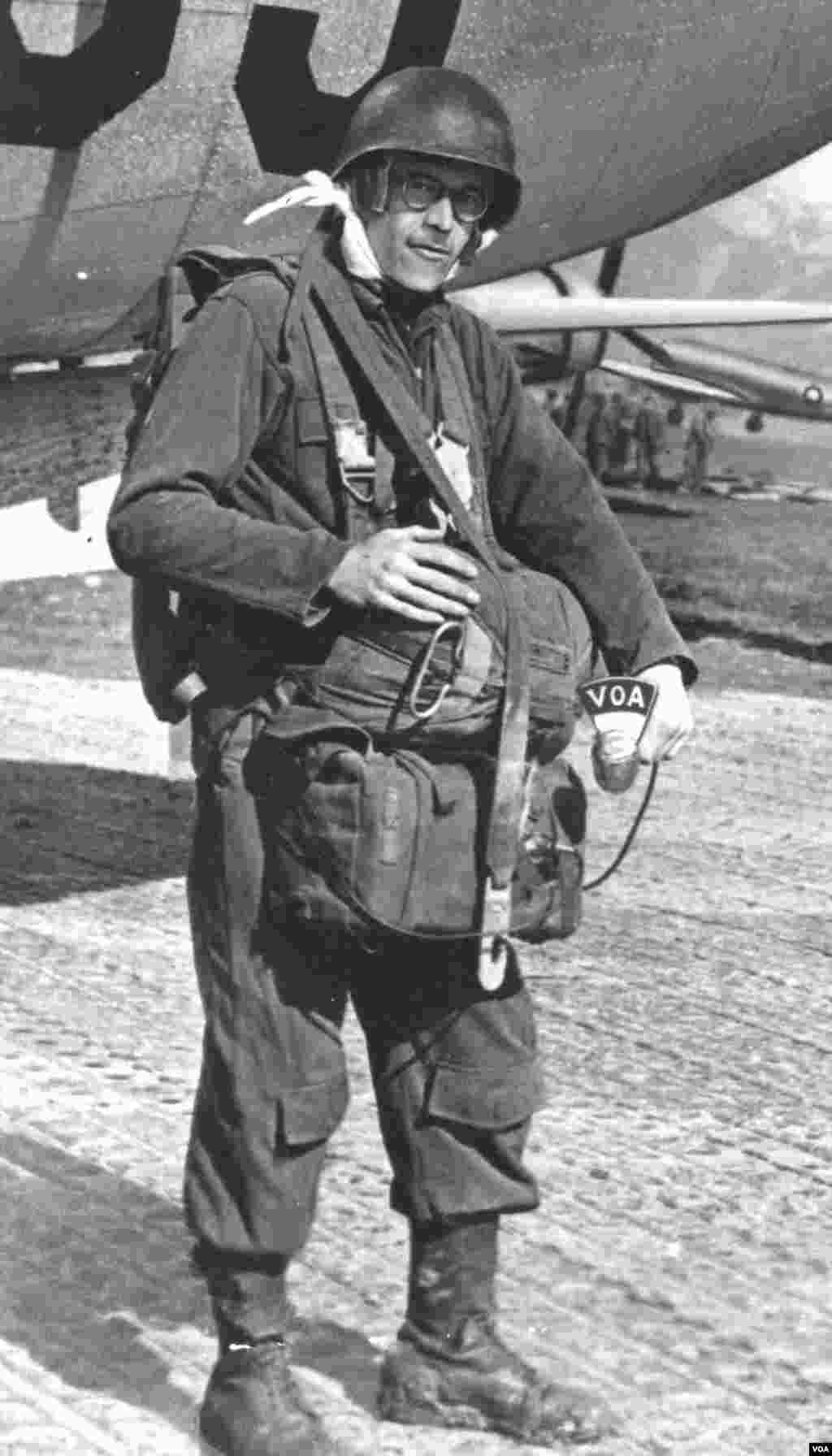
Broadcasting from Korea in the 1950s.
7/10 Broadcasting from Korea in the 1950s.
VOA is celebrating its 70th anniversary. Here is a look at VOA's early work and facilities, in the studio and in the field.
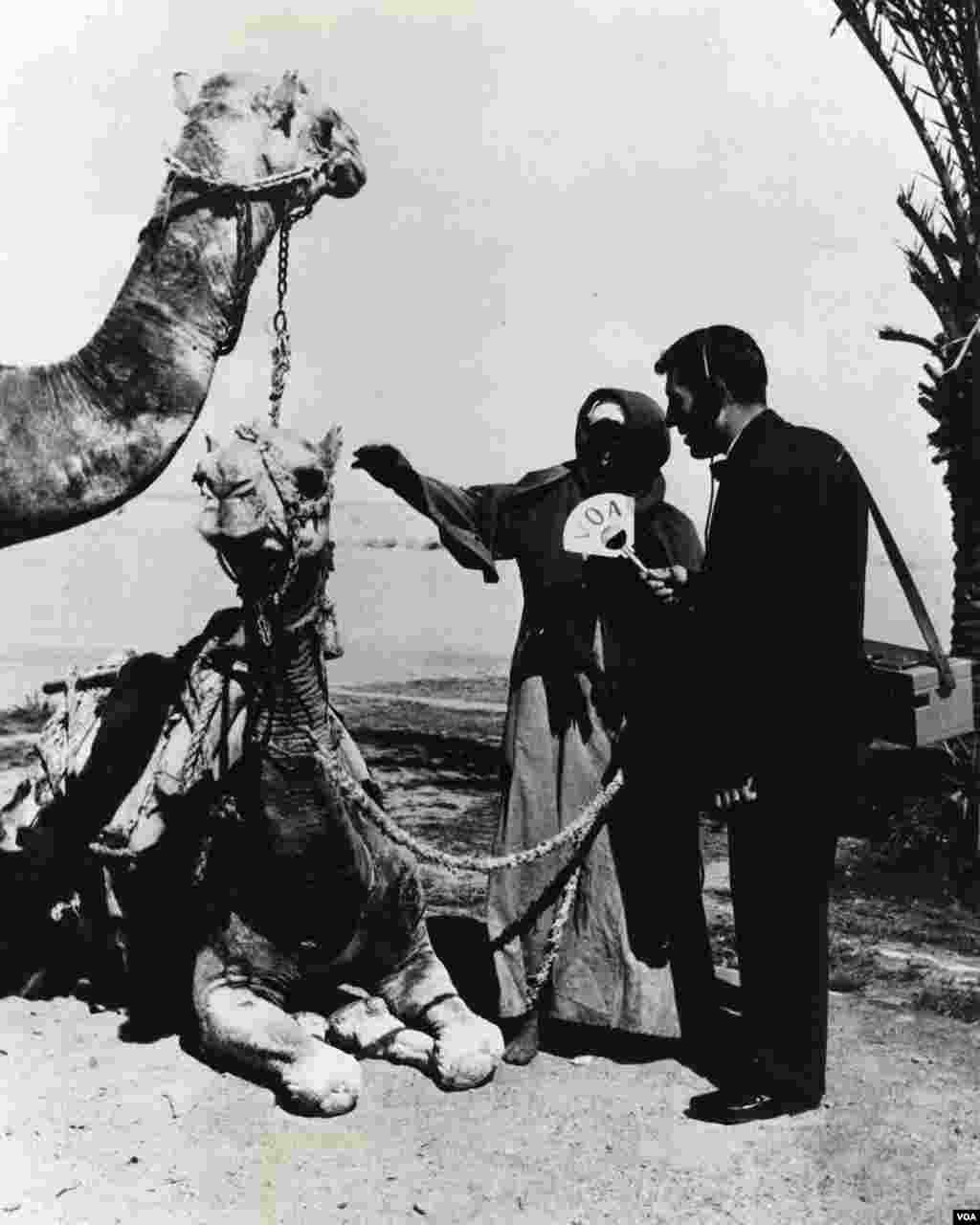
VOA reporters have traveled wherever necessary to get the story.
8/10 VOA reporters have traveled wherever necessary to get the story.
VOA is celebrating its 70th anniversary. Here is a look at VOA's early work and facilities, in the studio and in the field.
The early days in the VOA newsroom.
9/10 The early days in the VOA newsroom.
VOA is celebrating its 70th anniversary. Here is a look at VOA's early work and facilities, in the studio and in the field.
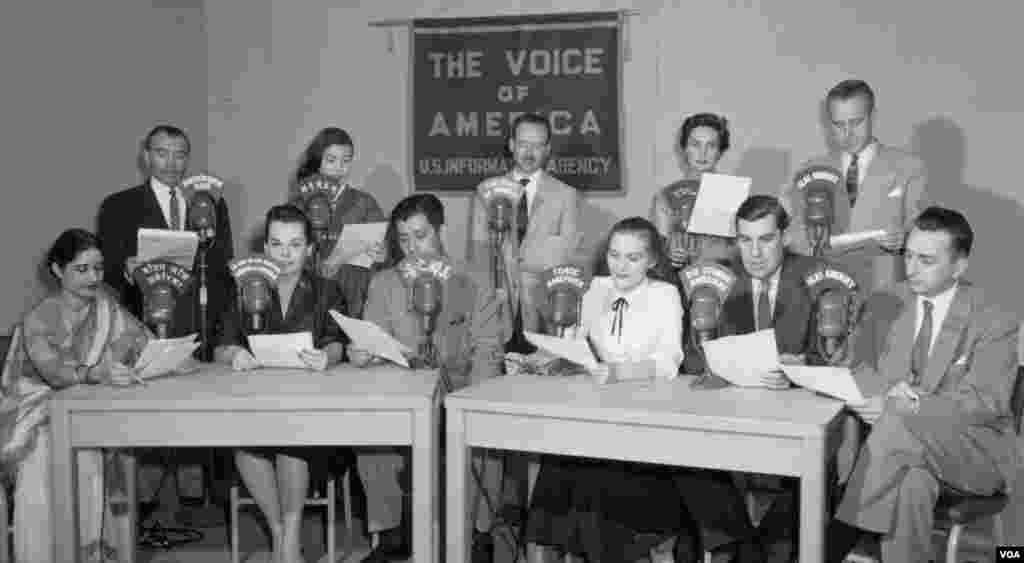
A group shot of VOA broadcasters. VOA used to be part of the "U.S. Information Agency."
10/10 A group shot of VOA broadcasters. VOA used to be part of the "U.S. Information Agency."
VOA is celebrating its 70th anniversary. Here is a look at VOA's early work and facilities, in the studio and in the field.
Previous slide
Next slide

Since then, VOA has grown into a multimedia international broadcasting service, with programming and content in 47 languages on multiple platforms, including radio, television and mobile.

On that first broadcast, announcer Hale's words set the standard for future programs.

​And since 1976, his words have carried the weight of the VOA Charter, which by law requires VOA to “serve as a consistently reliable and authoritative source of news.” What’s more, it says VOA news must “be accurate, objective and comprehensive.”
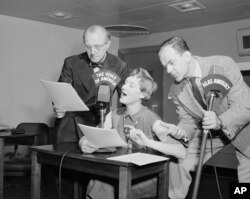
FILE - Three former residents of Czechoslovakia tell Czechs how communist leaders of that country sent Associated Press correspondent William N. Oatis to prison through the Voice of America, September 6, 1951.

“It’s been 75 years since we first began broadcasting objective news and information around the world,” said VOA Director Amanda Bennett. “And now, I think what we do here is more important than ever.”

Over the years, VOA correspondents and freelance reporters in many parts of the world have been on the scene to cover major world events.

In 1989, VOA East European correspondent Jolyon Naegele reported on demonstrations in Czechoslovakia and the fall of the communist government. Later that year, on the other side of the world, VOA increased programming and added staff to its Beijing bureau to cover the student-led demonstrations in Tiananmen Square. Beijing Bureau chief Al Pessin was expelled from China for his reporting.

Today, VOA broadcasts news and other programming through 2,500 television and radio affiliates around the world. At the same time, it provides content for mobile devices and interacts with audiences through social media.

As of 2016, VOA's weekly audience across all platforms averaged more than 236 million people worldwide.

Check out more information on our VOA 75th anniversary page.

XS
SM
MD
LG