Survivor and Refugee Finds Healing in Writing Her Memoir
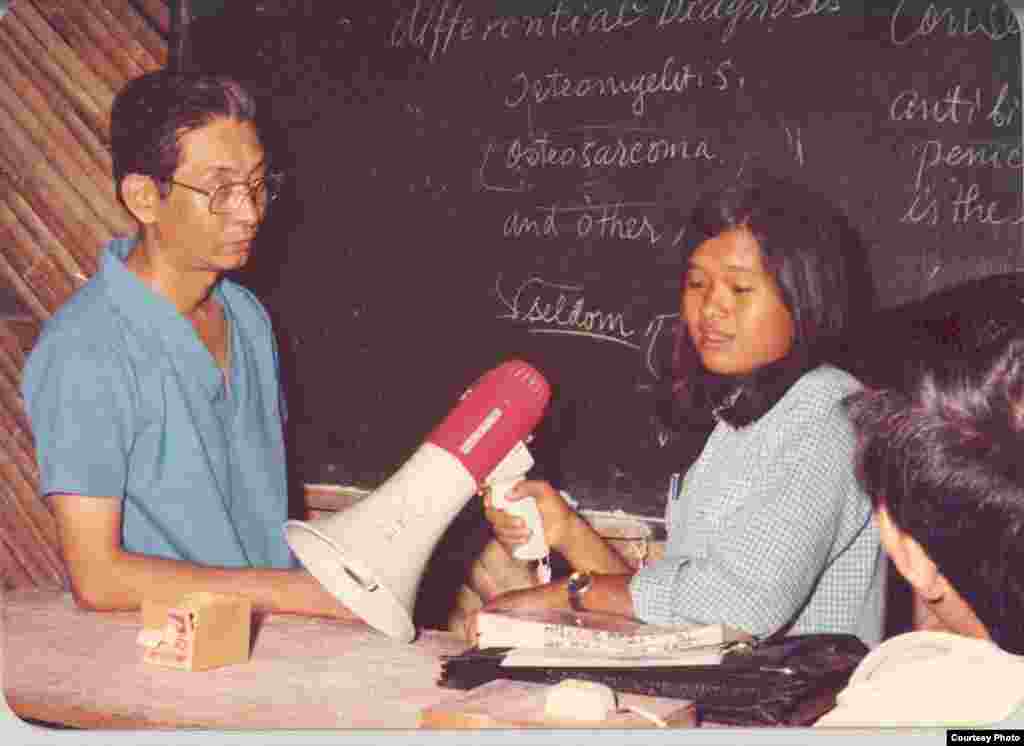
Ly Sambo worked as an interpreter for World Vision in Khao I-Dang refugee camp along Cambodian and Thai border in early 1980s. (Courtesy Photo)
“All I Heard Was My Sorrow” describes Ly Sambo's life under the Khmer Rouge and her flight to the US in the early 1980s.
WASHINGTON DC —
The author Ly Sambo survived the Khmer Rouge and eventually made her way to America as a refugee. Her story is not uncommon from that of other survivors of Cambodia’s atrocities and wars. But she says she helped herself reconcile with the brutal past by writing a memoir.
“All I Heard Was My Sorrow” describes her life under the Khmer Rouge and her flight to the US in the early 1980s.
“It took me two years to finish the book,” she told VOA Khmer. “It got very difficult at times, recalling the past. My tears fell unwittingly, and I had to give myself a break, until I felt better, then I continued writing.”
That writing helped her express herself in ways she had never done, she said, and it helped her heal.
Writer Heals the Past With Memoir
1/5Ly Sambo as a young teenage girl in Khao I-Dang refugee camp along Cambodian and Thai border in early 1980s. (Courtesy Photo)
Ly Sambo, a survivor of the Khmer Rouge atrocities and a former refugee, is the author of a memoir titled “All I Heard Was My Sorrow.” In it, she wrote about her escape from the Khmer Rouge genocide, and her work as an interpreter for World Vision in Khao I-Dang refugee camp before immigrating to America. “All I Heard Was My Sorrow” helps Sambo in her journey to heal herself from a painful past through gratitude.
ផ្សេងទៀតបិទ
2/5Ly Sambo worked as an interpreter for World Vision in Khao I-Dang refugee camp along Cambodian and Thai border in early 1980s. (Courtesy Photo)
Ly Sambo, a survivor of the Khmer Rouge atrocities and a former refugee, is the author of a memoir titled “All I Heard Was My Sorrow.” In it, she wrote about her escape from the Khmer Rouge genocide, and her work as an interpreter for World Vision in Khao I-Dang refugee camp before immigrating to America. “All I Heard Was My Sorrow” helps Sambo in her journey to heal herself from a painful past through gratitude.
ផ្សេងទៀតបិទ
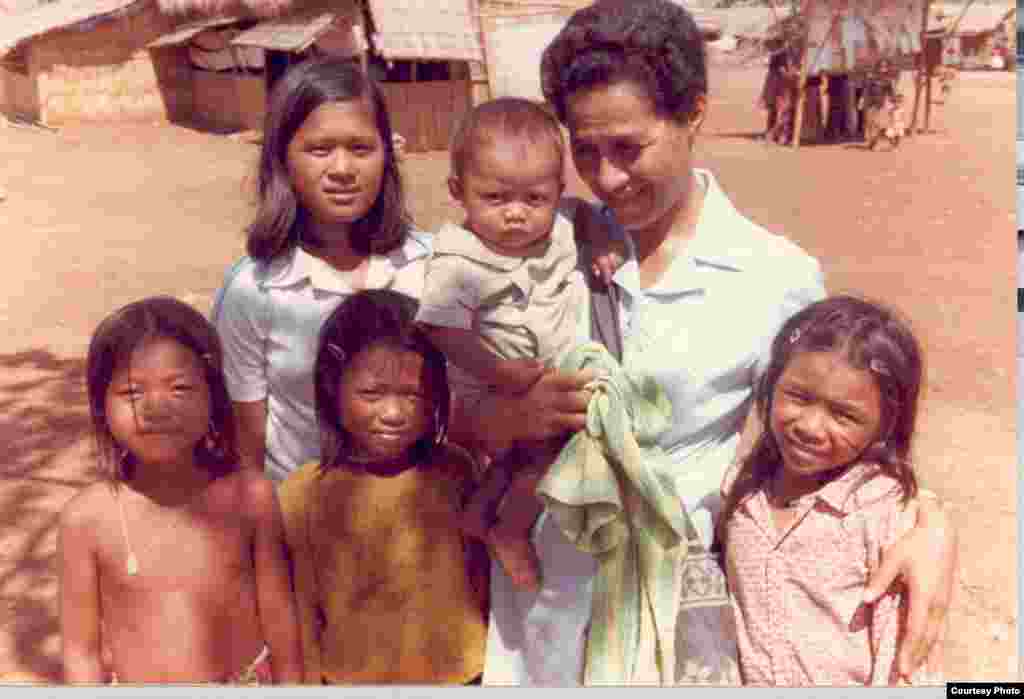
3/5Ly Sambo took a group picture with other kids in Khao I-Dang refugee camp in early 1980s. (Courtesy Photo)
Ly Sambo, a survivor of the Khmer Rouge atrocities and a former refugee, is the author of a memoir titled “All I Heard Was My Sorrow.” In it, she wrote about her escape from the Khmer Rouge genocide, and her work as an interpreter for World Vision in Khao I-Dang refugee camp before immigrating to America. “All I Heard Was My Sorrow” helps Sambo in her journey to heal herself from a painful past through gratitude.
ផ្សេងទៀតបិទ
4/5Ly Sambo at an opening exhibition displaying at the Peralta Hacienda Historical Park in Oakland, California. (Courtesy Photo)
Ly Sambo, a survivor of the Khmer Rouge atrocities and a former refugee, is the author of a memoir titled “All I Heard Was My Sorrow.” In it, she wrote about her escape from the Khmer Rouge genocide, and her work as an interpreter for World Vision in Khao I-Dang refugee camp before immigrating to America. “All I Heard Was My Sorrow” helps Sambo in her journey to heal herself from a painful past through gratitude.
ផ្សេងទៀតបិទ
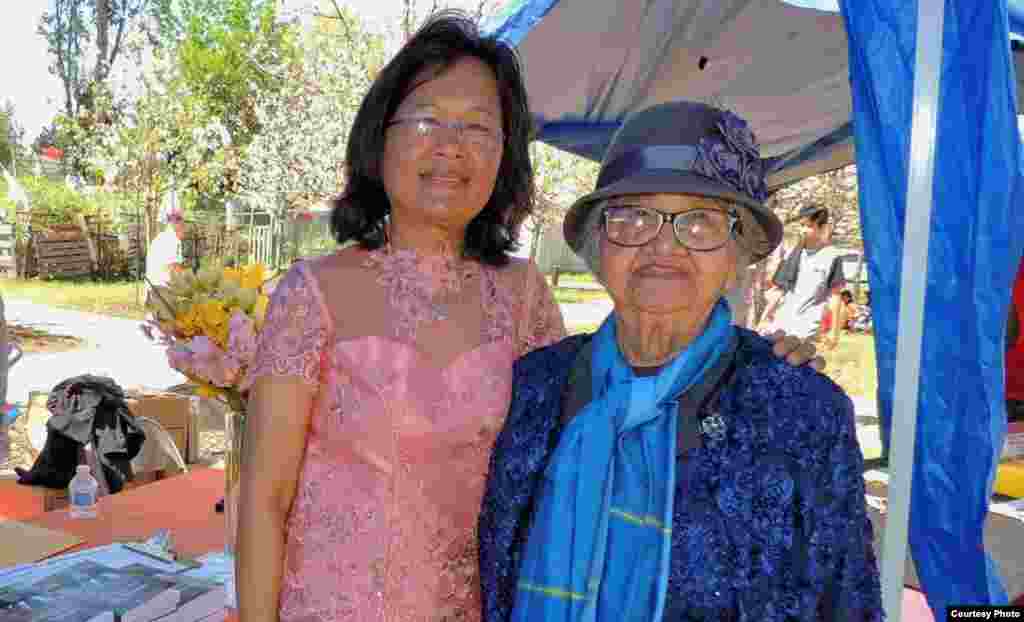
5/5Ly Sambo with her mother at the book display in Oakland city where she presented her memoir titled “All I Heard Was My Sorrow.” (Courtesy Photo)
Ly Sambo, a survivor of the Khmer Rouge atrocities and a former refugee, is the author of a memoir titled “All I Heard Was My Sorrow.” In it, she wrote about her escape from the Khmer Rouge genocide, and her work as an interpreter for World Vision in Khao I-Dang refugee camp before immigrating to America. “All I Heard Was My Sorrow” helps Sambo in her journey to heal herself from a painful past through gratitude.
ផ្សេងទៀតបិទ
Previous slide
Next slide
Now Ly Sambo is the program manager for a refugee health program near the Bay Area of Northern California, where more than 70,000 Cambodians live.
Income from her book goes to supporting teachers in primary schools in her original homeland, Kampot province. “For me, this is a peaceful way to give back to the society,” she said.
She hopes her book also contributes in some way. “Resiliency is what I intend to tell the readers,” she said. “Life is a real struggle for us, as survivors of genocide, but we can be resilient, and today I have achieved more than I could have imagined.”