US, Russia to Organize International Talks on Syria
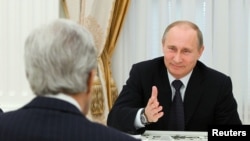
Russian President Vladimir Putin (R) speaks to U.S. Secretary of State John Kerry during their meeting in the Kremlin in Moscow, May 7, 2013.
MOSCOW —
After 18 months of chilly relations with Washington, the Kremlin gave a warm welcome Tuesday to U.S. Secretary of State John Kerry.
Signaling a clear change in tone, President Putin was filmed for national television welcoming the new American Secretary of State. "I think it is very important that our key ministries and agencies, including the foreign ministry, cooperate in finding solutions for the most topical and relevant issues of today’s world," the Russian President told Kerry, who was joined by U.S. Ambassador to Russia Michael McFaul.
Only a year ago, Putin was charging that the State Department, and McFaul in particular, were encouraging street demonstrations against him. Then the Kremlin unilaterally ended a series of American programs here, dragging relations between Washington and the Kremlin to their lowest point since the Cold War.
Putin said he looked forward to meeting with President Obama next month on the sidelines of the G-8 summit in Northern Ireland. Then, in a rare move for this protocol conscious country, the Russian President held an hour long meeting with Kerry, who is the equivalent of a Foreign Minister.
Images from Syria
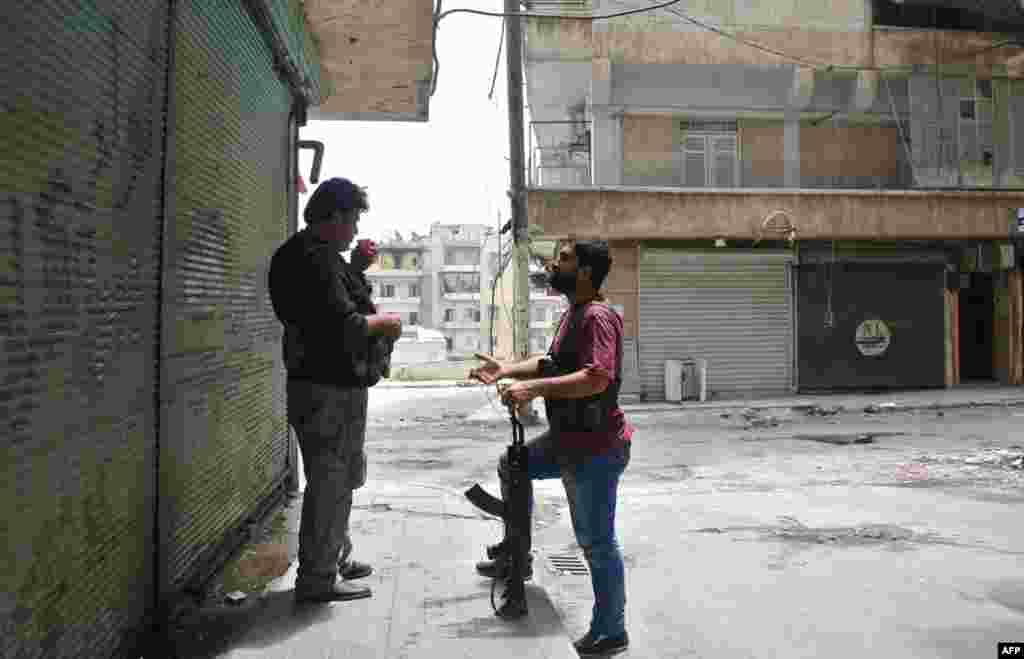
1/13Rebel fighters of the Syrian Kurdish Popular Protection Units (YPG) talk in the Sheikh Maqsoud neighborhood of Aleppo, May 9, 2013.
Show moreShow less
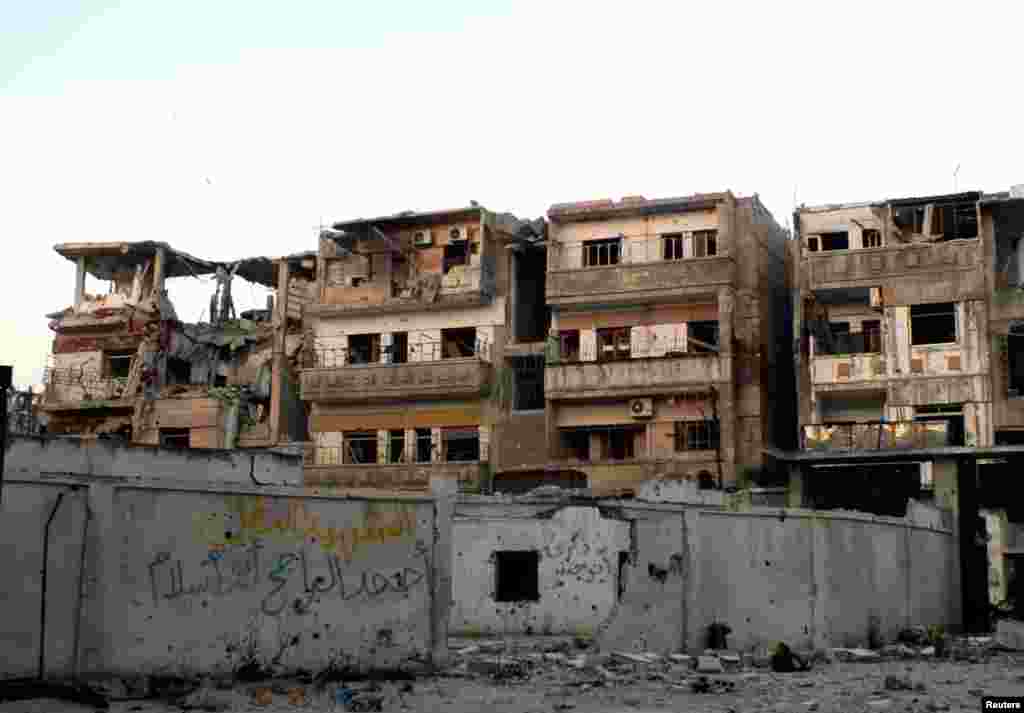
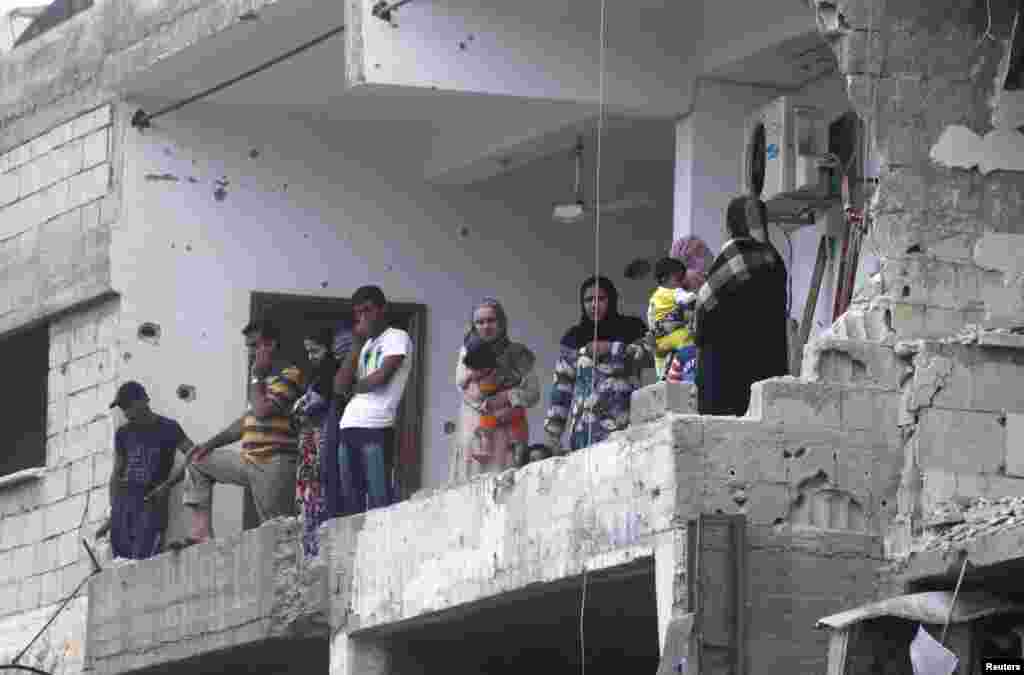
2/13A view shows damaged buildings and debris in the Khaldiyeh district of Homs, May 9, 2013.
Show moreShow less
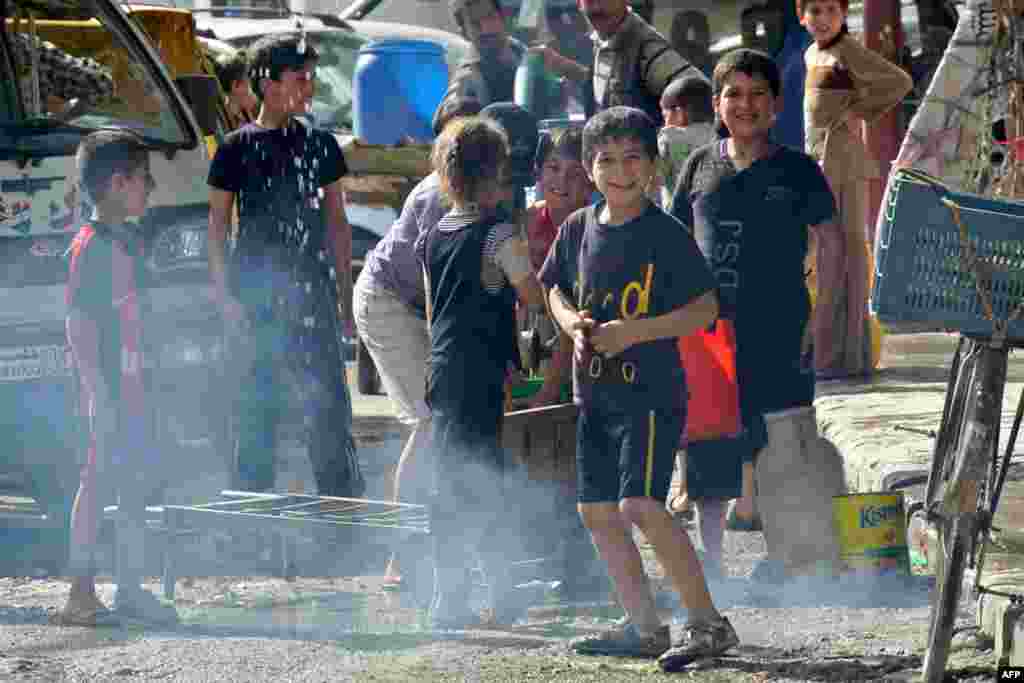
3/13Syrian children play near a water distribution point in the Almyassar central district of Aleppo, May 8, 2013.
Show moreShow less
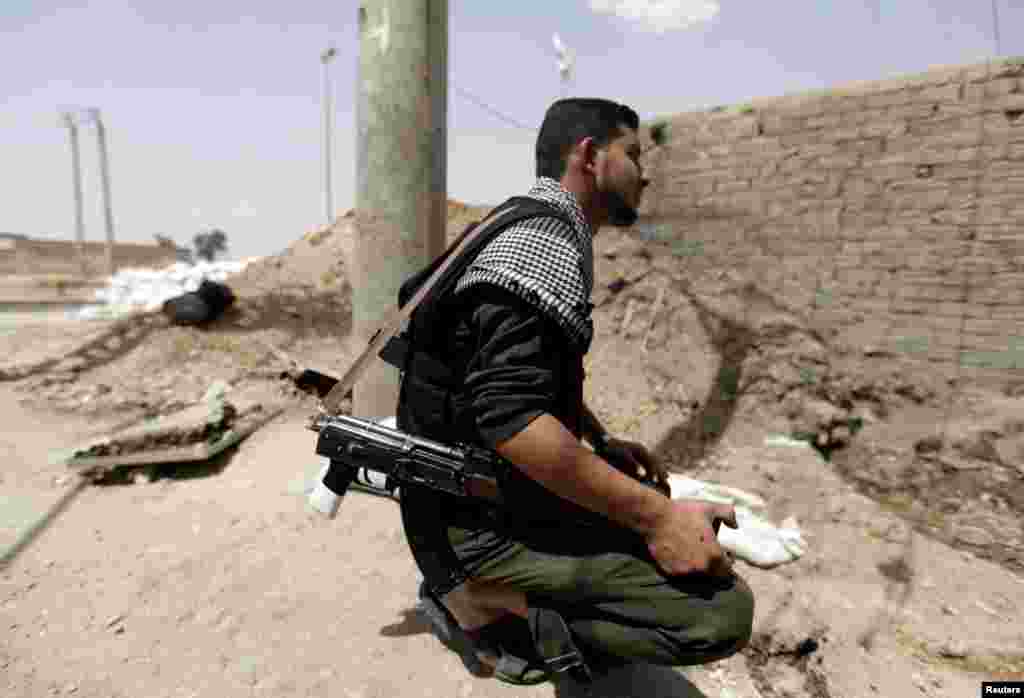
4/13A Free Syrian Army fighter holds his weapon in Raqqa province, east Syria, May 6, 2013.
Show moreShow less
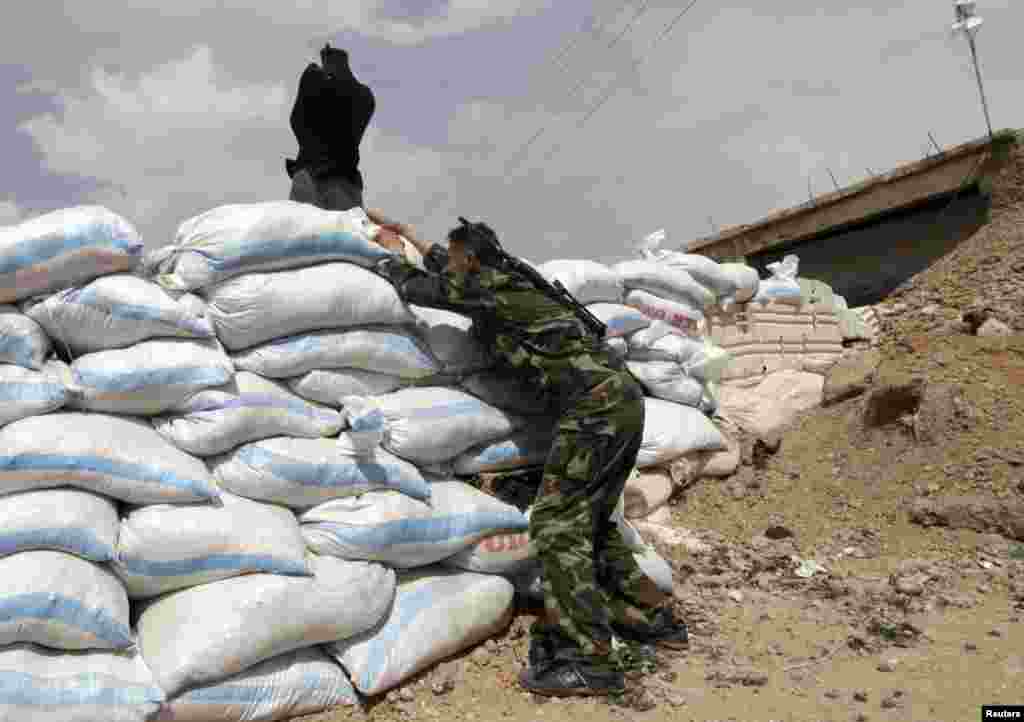
5/13A Free Syrian Army fighter stands behind a pile of sandbags in Raqqa province, east Syria, May 6, 2013.
Show moreShow less
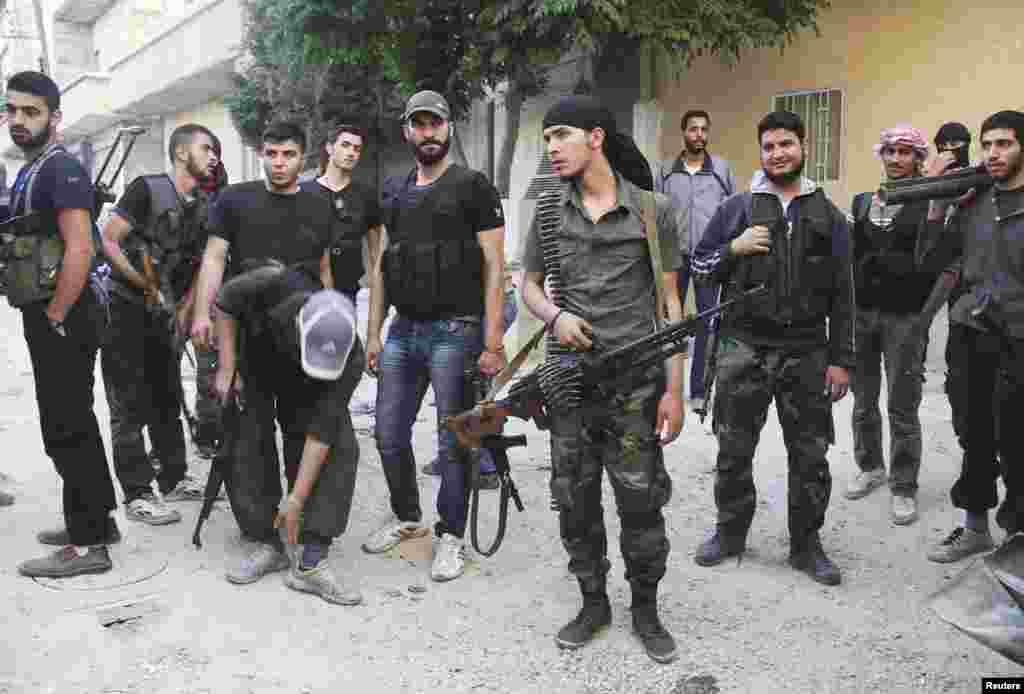
6/13Free Syrian Army fighters prepare to head toward the front line in the al-Ziyabiya area, Damascus, May 5, 2013.
Show moreShow less
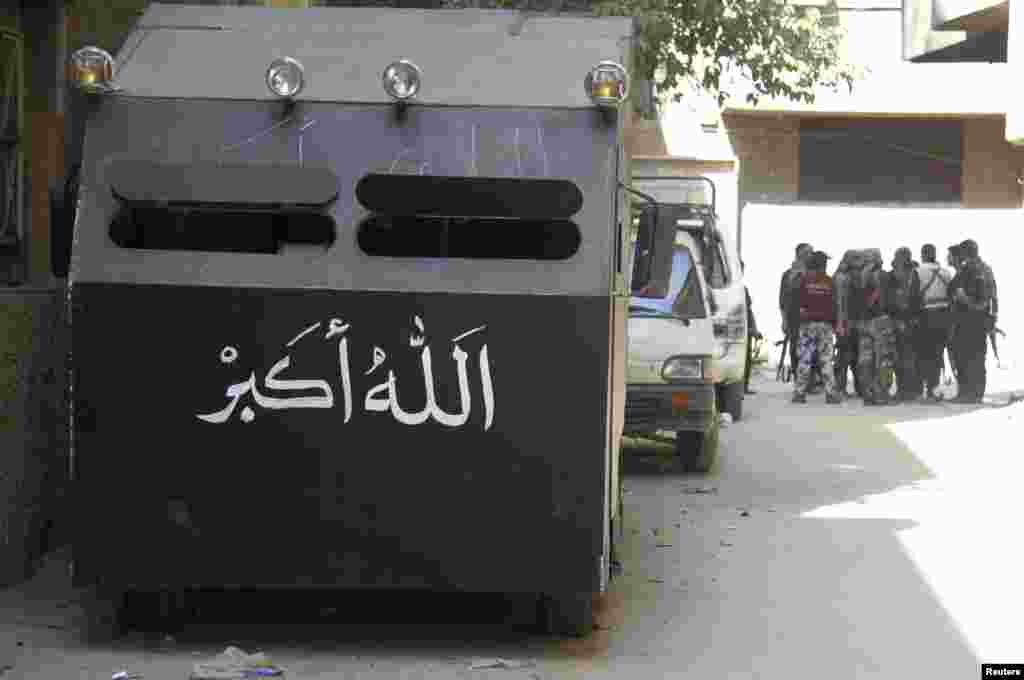
7/13An armored vehicle is seen parked as Free Syrian Army fighters gather on a street in the refugee camp of Yarmouk, near Damascus, May 5, 2013.
Show moreShow less
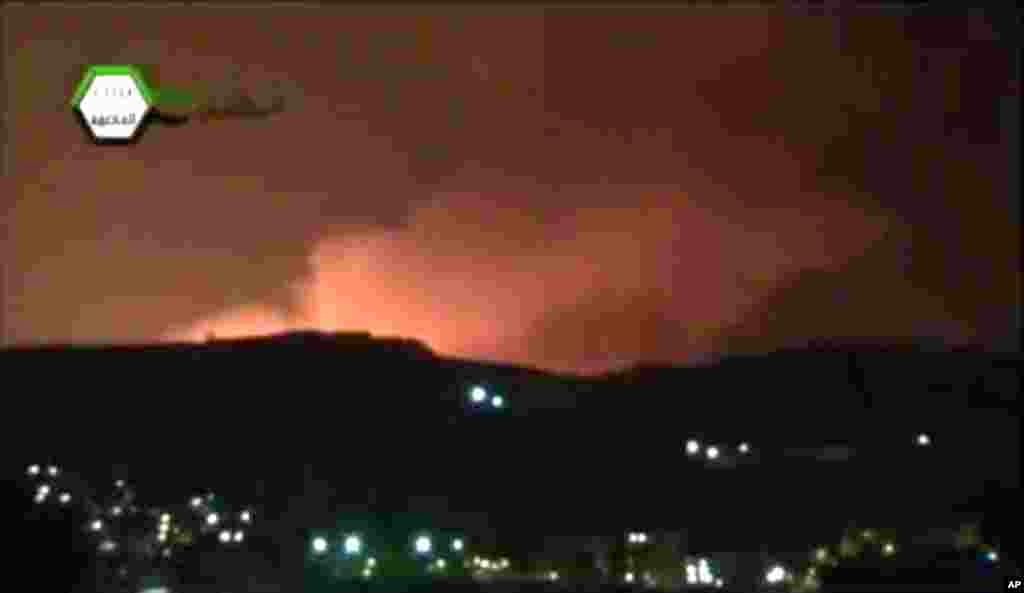
8/13This image taken from video obtained from the Ugarit News shows smoke and fire filling the the skyline after an Israeli airstrike, Damascus, May 5, 2013.
Show moreShow less
9/13This photo released by the Syrian official news agency SANA shows damaged buildings wrecked by an Israeli airstrike in Damascus, May 5, 2013.
Show moreShow less
10/13This image provided by ENN shows a protester with a sign reading "If America does not know who used the chemical weapons, so it could be flying saucers from another planet," Sarmada, Idlib, Syria, May 3, 2013.
Show moreShow less
11/13A man reacts after his grandson was injured during what activists said was shelling by forces loyal to Syrian President Bashar al-Assad, Raqqa province, Syria, May 2, 2013.
Show moreShow less
12/13Residents inspect a damaged building that was shelled by forces activists say were loyal to Syrian President Bashar al-Assad, Raqqa province, Syria, May 2, 2013.
Show moreShow less
13/13This photo released by the Syrian official news agency SANA shows Syrian President Bashar al-Assad visiting the Umayyad Electrical Station, Damascus, Syria, May 1, 2013.
Show moreShow less
Previous slide
Next slide
Later, Kerry held talks with Sergei Lavrov, Russia's longest serving foreign minister. Kerry said: "Russia and the United States can cooperate on some significant challenges that we face now and make very real contributions to the possibilities of stability and peace, in places like the Middle East, Syria."
Kerry and Lavrov announced at a news conference that their two countries will try to arrange an international conference on ending the conflict in Syria - and will seek to bring together the Syrian government and opposition at that conference, possibly by the end of this month.
Russia has three times vetoed US-backed moves in the United Nations to impose sanctions on Syrian President Bashar al-Assad's government. Washington hopes to enlist Moscow’s support in crafting a political solution to the war that has taken 70,000 lives.
Kerry stressed other areas where the U.S. and Russia now work together, ranging from Start 2, WTO, Iran, North Korea and Afghanistan.
Russian and American officials apparently believe the political calendar now gives both governments a chance for further cooperation. Last year, elections in both countries produced nationalist campaign rhetoric.
Now, there are two Putin-Obama meetings scheduled between June and September.
Oddly, the Boston Marathon bombings last month speeded up the process of renewing dialogue. On Tuesday, Putin noted that he had talked twice in recent days by telephone with President Obama. The subject was better security cooperation.
The main suspect in the Boston bombings was Tamerlan Tsarnaev, a Russian citizen who spent six months last year in Dagestan, Russia’s main conflict zone with Islamic extremists. Putin has said the bombings highlight the need for both countries to overcome their differences and do a better job of information sharing.