



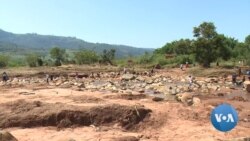

The United Nations is assessing the Cyclone Idai humanitarian situation in Zimbabwe as calls for the government to provide aid more quickly grow louder.
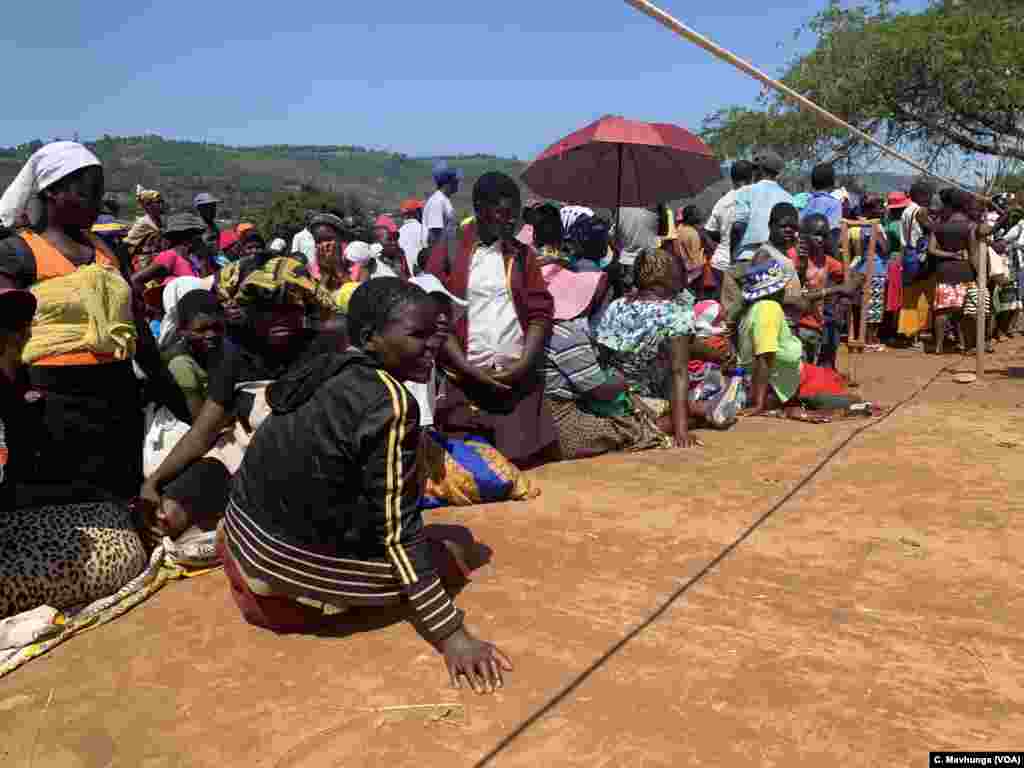
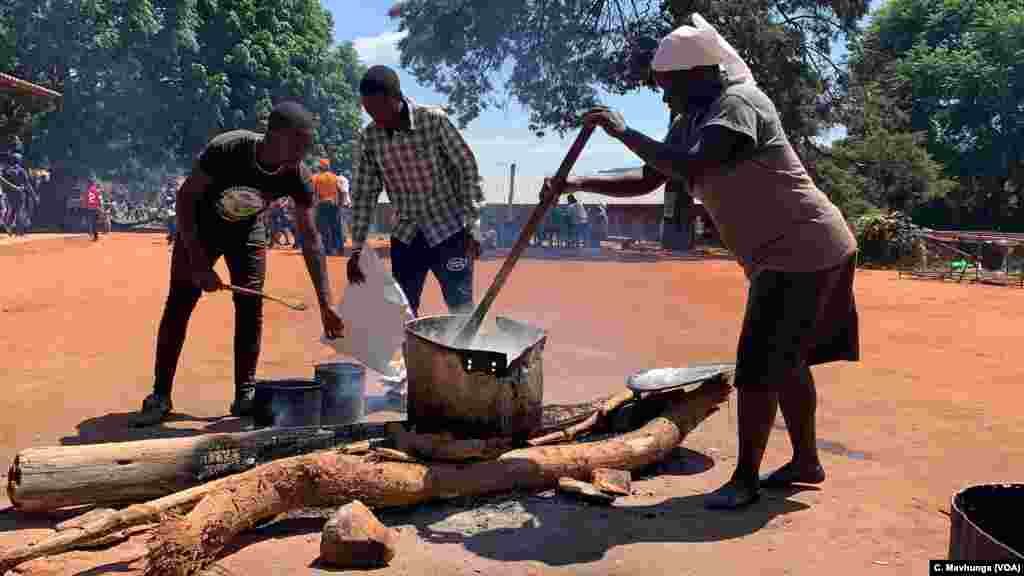
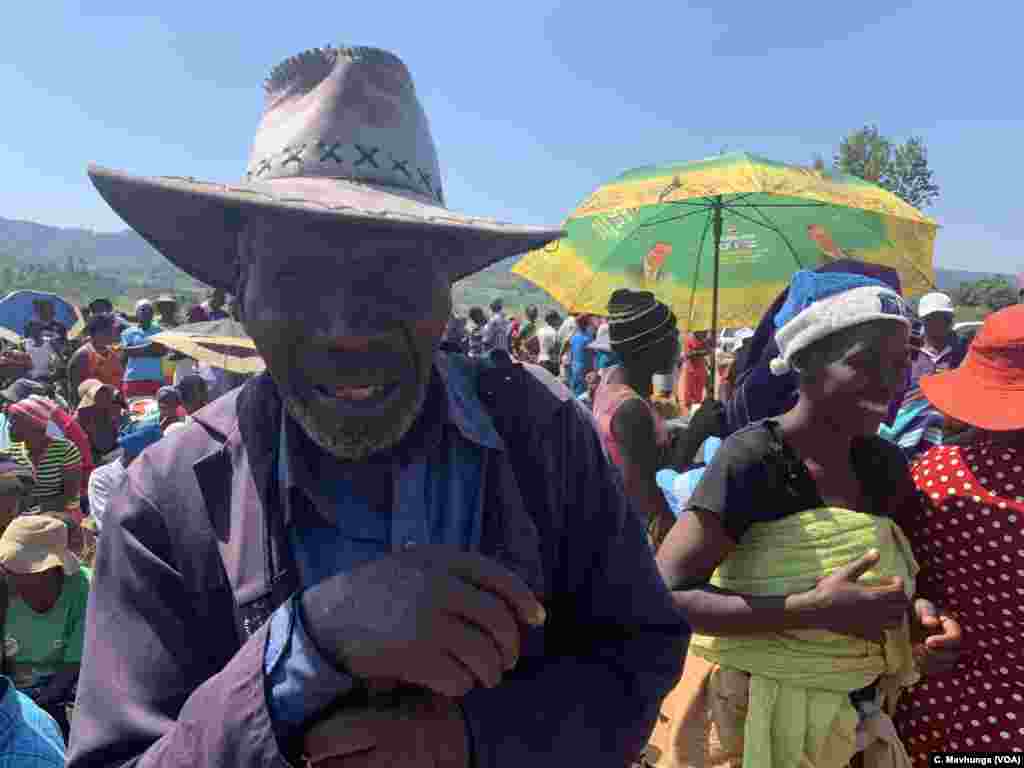
At Machongwe village in Zimbabwe’s Chimanimani district, the area hardest hit by Cyclone Idai, people wait as officials prepare food.
Cornmeal has run out, but authorities say other food is being distributed.
Coming here has become a daily routine for many since the disaster hit March 16, including Susan Makuza. She takes care of five children whose parents died in the cyclone.
In Zimbabwe, Villagers Struggle in Wake of Cyclone Idai
Crops swept away
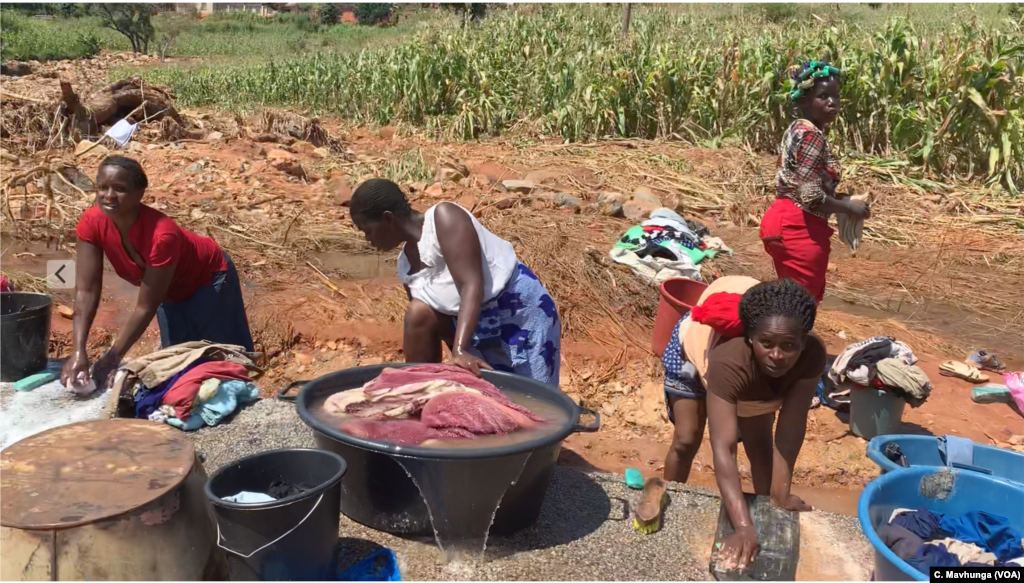
“Poverty has stricken us,” Makuza said, “and our maize crops were swept away with the river. Our survival is at risk and we don’t know what to do. We came to receive food but were not given any and our houses went down the river. We are sleeping outside,” she added, “I was kindly asking for help.”
That is the same story for 81-year-old Rwamwidzai Matamande.
“There is really hunger here,” Matamande said, “because Cyclone Idai damaged our granaries. So, we are frequenting this place hoping to get something like corn meal. But I have not received anything.”
Lloyd Kasima is acting district administrator for Chimanimani. He told United Nations officials assessing the situation that the government was aware of the villagers’ struggle.
He said after Cyclone Idai hit, more than 7,000 people were left homeless, while more than 40,000 people have no food.
“But at the moment, the (food) distribution is quite slow because of transport problems,” Kasima said. “But there are some people, contractors, trying to open our usual roads. We have seen that they are making progress.”
UNICEF seeks aid
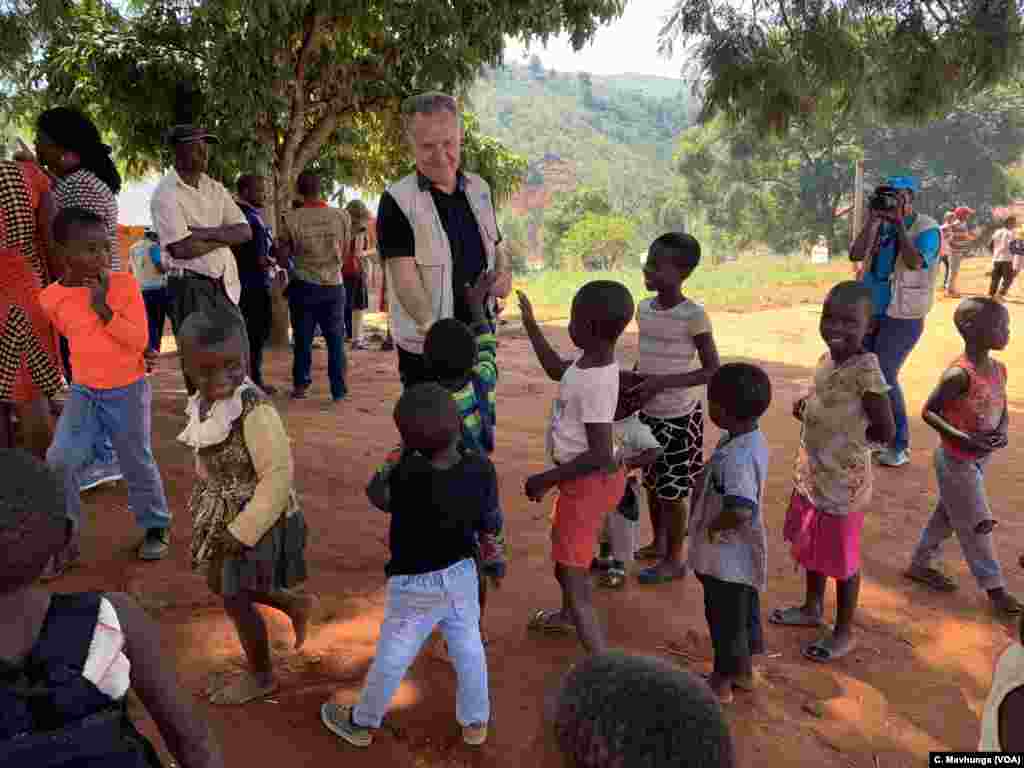
UNICEF Bo Viktor Nylund is the deputy regional director for the United Nations International Children’s Emergency Fund. He says UNICEF is setting up a temporary rehabilitation center at Ngangu School for children traumatized by Cyclone Idai.
UNICEF is seeking aid to help Malawi, Mozambique and Zimbabwe address children’s health, sanitation and education concerns in the wake of the cyclone.
“Globally for the three countries, it’s going to be about $150 million that we are appealing. That’s the calculation at the moment, but hopefully we are also still discovering because some areas are inaccessible,” Nylund said.
Acting U.N. representative in Zimbabwe Esther Muia says Harare is doing its best to cope, given the scale of the needs.
“There are still a lot of gaps. Most people lost their food, you know. There was an already impeding drought. The cyclone has compounded the whole situation,” she said. “The waterways have been destroyed completely. People do not have clean, safe water for drinking, and that is a big priority at the moment.”
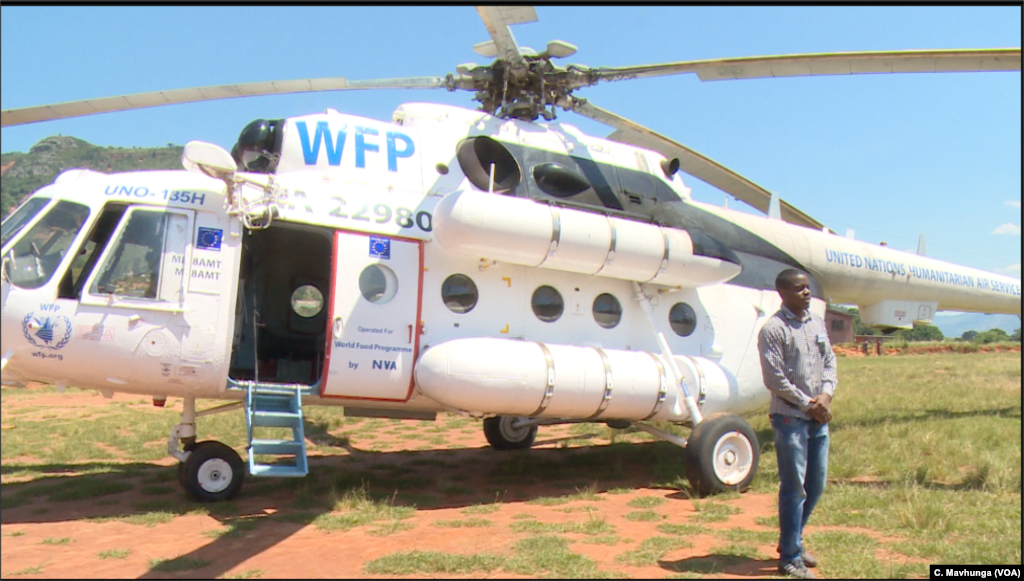
The European Union has funded a World Food Program-owned helicopter to bring in UNICEF equipment and chemicals to prevent waterborne diseases.
Villagers here hope donors will soon provide funds for airlifting much-needed food to the thousands of people left struggling to survive.