



Editor's note: this story was translated from the original VOA Pashto article.
The U.N. says that more than 40 percent of primary healthcare facilities, about 700 of Afghanistan’s 1,900 health posts, are expected to close between 2025 and 2026.
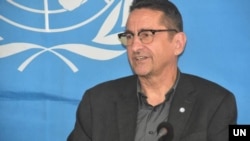
The consequences are “very, very, very significant,” said Bruno Lemarquis, the Deputy Special Representative of the Secretary-General for Afghanistan and the U.N.’s Resident and Humanitarian Coordinator in the country, on Friday in a press conference in New York City. “The consequences could go beyond the Afghanistan border, potentially affecting regional security, regional stability and migration pathways.”
According to the U.N., humanitarian funding to Afghanistan has dropped from $2 billion in 2023 to $570 million so far in 2026.
Afghanistan under the Taliban has been facing one of the world’s largest humanitarian crises.
The U.N. said last week that about 15.9 million people in Afghanistan, about one-third of the population, face serious food insecurity and acute malnutrition.
UNICEF said the humanitarian situation in Afghanistan remains critical, driven by worsening food insecurity and malnutrition, outbreaks of diseases, the return of millions of Afghans from neighboring countries and recurring climate disasters.
“Funding shortfalls and pressure on essential services further compounded humanitarian needs, particularly among children, women, returnees and disaster-affected communities,” the UNICEF report said.
Lemarquis called the restrictions on women and girls in Afghanistan, “severe and sweeping,” depriving women and girls of learning, work and participating in public life.
Claudio Miglietta, country representative of Doctors Without Borders or MSF, told VOA that the restrictions on women and girls have an impact on healthcare access in the country.
“Access to care is becoming more difficult in many places. What matters is not only whether a health facility exists, but whether a woman can actually get there; whether she can afford the trip; ... whether there is a female health worker available when she arrives,” Miglietta said.
He added that although healthcare in Afghanistan is still functioning, it is under considerable pressure.
“Growing pressure from funding reductions weakened public services, high humanitarian needs, and continued dependence on humanitarian actors to sustain essential services,” he said.
Miglietta said that hospitals and medical facilities remain among the few places where women can access essential healthcare, “so simply keeping these services available, functional and accessible matters enormously.”