KADUNA, NIGERIA —
Three years ago, post-election violence in the Nigerian city of Kaduna left nearly 1,000 people dead and forced tens of thousands to flee their homes. As the city prepares for elections next year, there are concerns a renewal of violence and homelessness could devastate the city unless there is a fundamental shift in the way Nigerians do politics.
Uba Sani used to be a salesman in southern Kaduna. When Nigeria's presidential elections turned violent in 2011, he and tens of thousands of others fled their homes.
Now Sani lives in a camp in the north side of Kaduna with hundreds of others who are still displaced. He said there is not much left to go home to.
"All our properties are burnt and all our vehicles are burnt. And they killed our people there," he said. "Almost getting to 1,000 people are dead under that crisis."
But Sani said he would leave this place and rebuild his home if he had the money, and if Nigerian security forces could provide security for what is left of his family. "I lost my one son in the crisis and I lost my five junior brothers in the crisis," added Sani.
But religious leaders said unless something changes about Nigerian politics, elections in cities like Kaduna, where the mostly Muslim north meets the mostly Christian south, will continue to be dangerous.
At a garden in Kaduna, Pastor Yohanna Buru from the Peace Revival and Reconciliation Foundation of Nigeria, says politicians create the sharp divide between Christians and Muslims by tying competitions for power and resources to Nigerians' deep religious beliefs.
People will do anything, he said, if they believe it to be the right thing by their faith.
"That is why most politicians are political geniuses in Nigeria. They use religion most to get what they want," said Buru.
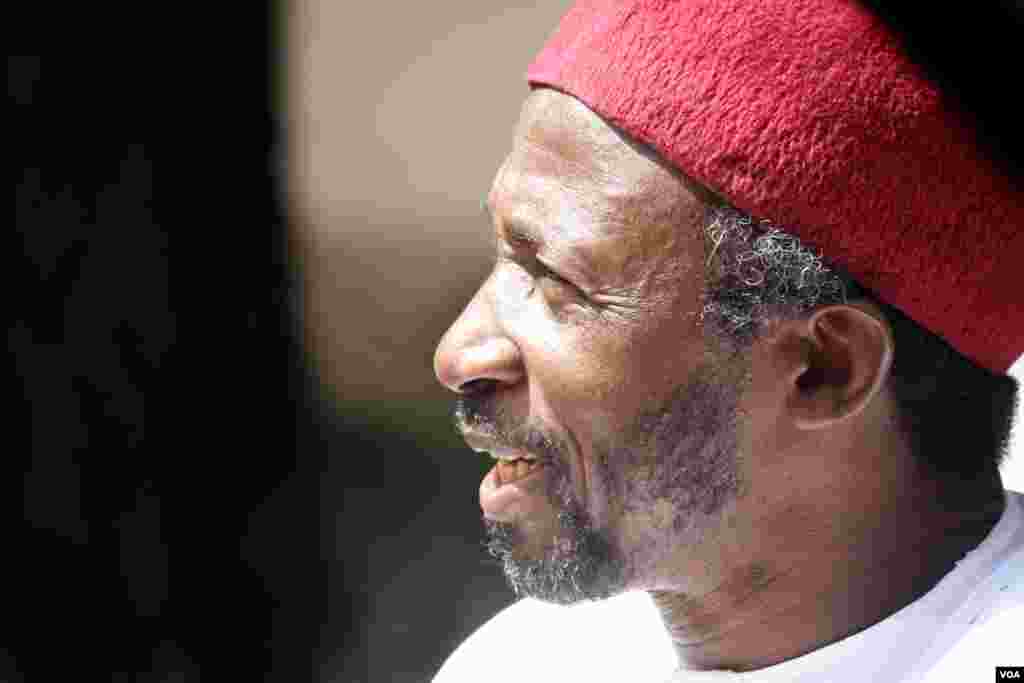
The foundation's other leader, Imam Sani Isa, said despite a relative peace, and attempts at reconciliation over the past few years, Nigeria's upcoming 2015 presidential elections are already polarizing the people.
"I am deeply concerned and I am afraid. I entertain fears. Why? Because I can see some people - some politicians and some electorates who cast their vote - I can see them starting to bring their religion into it," Isa said.
Nigeria Election Refugees Face New Ballot Without Homes
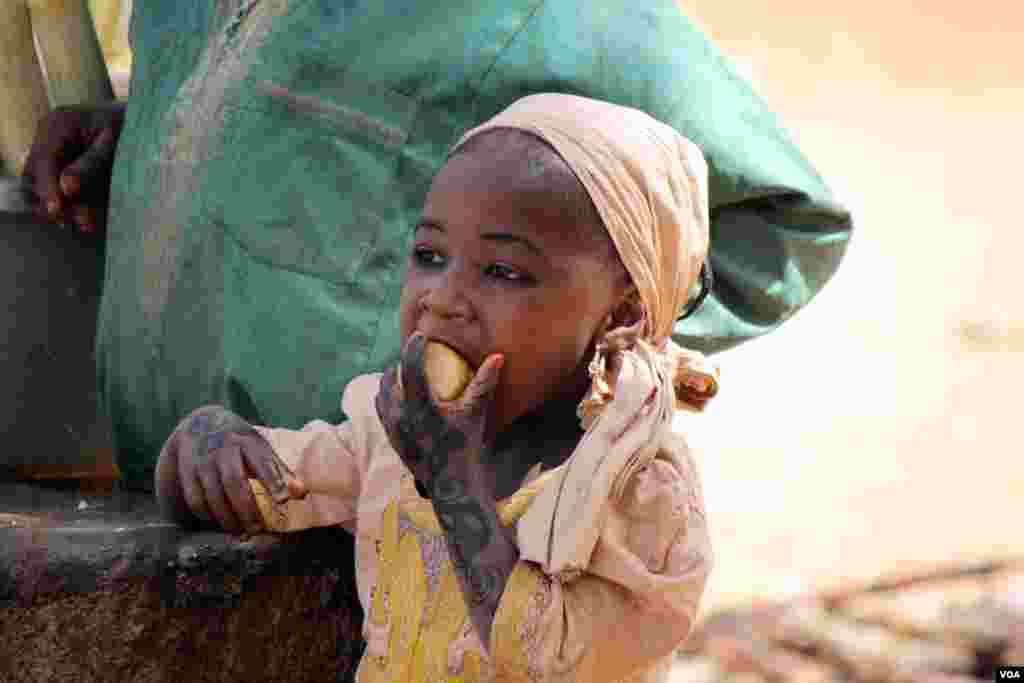
1/7Three years after the last elections, some Nigerians who fled their homes because of the violence still live like refugees, in makeshift camps, hoping that someone will provide resources for them to rebuild or relocate, Kaduna, Nigeria, Feb 14, 2014.
Three years ago, post-election violence in the Nigerian city of Kaduna left nearly 1,000 people dead and forced tens of thousands to flee their homes. As the city prepares for elections next year, there are concerns a renewal of violence and homelessness could devastate the city unless there is a fundamental shift in the way Nigerians do politics.
Show moreShow less
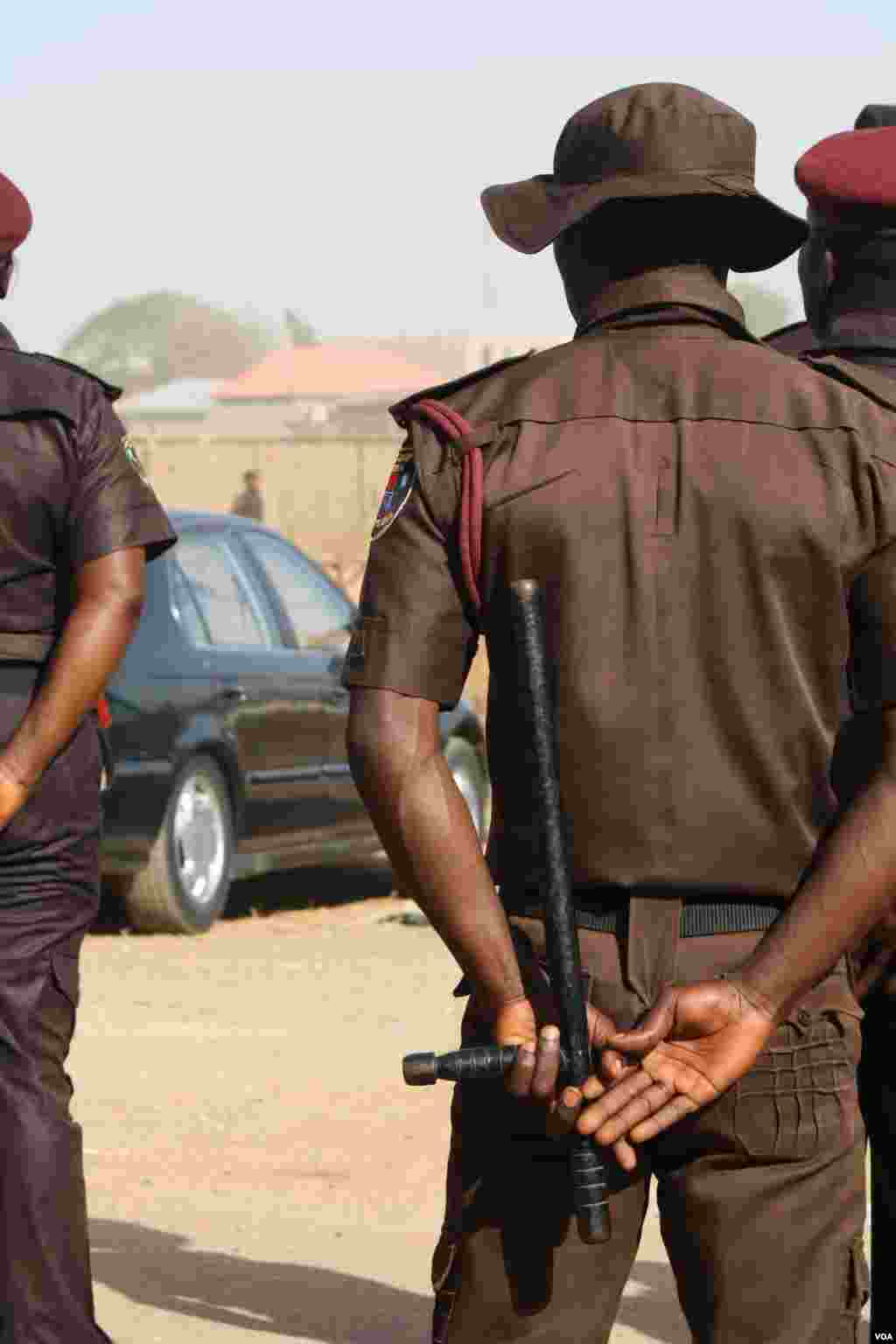
2/7Civilian security groups technically don’t carry arms, but they can often be seen with clubs, sticks poked with nails or other weapons, Kaduna, Nigeria, Feb. 14, 2014. (Heather Murdock/VOA)
Three years ago, post-election violence in the Nigerian city of Kaduna left nearly 1,000 people dead and forced tens of thousands to flee their homes. As the city prepares for elections next year, there are concerns a renewal of violence and homelessness could devastate the city unless there is a fundamental shift in the way Nigerians do politics.
Show moreShow less
3/7Volunteers say they hope the Nigerian national elections in 2015 will be less violent through their efforts. Nearly 1,000 people died in Kaduna after the 2011 elections, Kaduna, Nigeria, Feb. 14, 2014. (Heather Murdock/VOA)
Three years ago, post-election violence in the Nigerian city of Kaduna left nearly 1,000 people dead and forced tens of thousands to flee their homes. As the city prepares for elections next year, there are concerns a renewal of violence and homelessness could devastate the city unless there is a fundamental shift in the way Nigerians do politics.
Show moreShow less
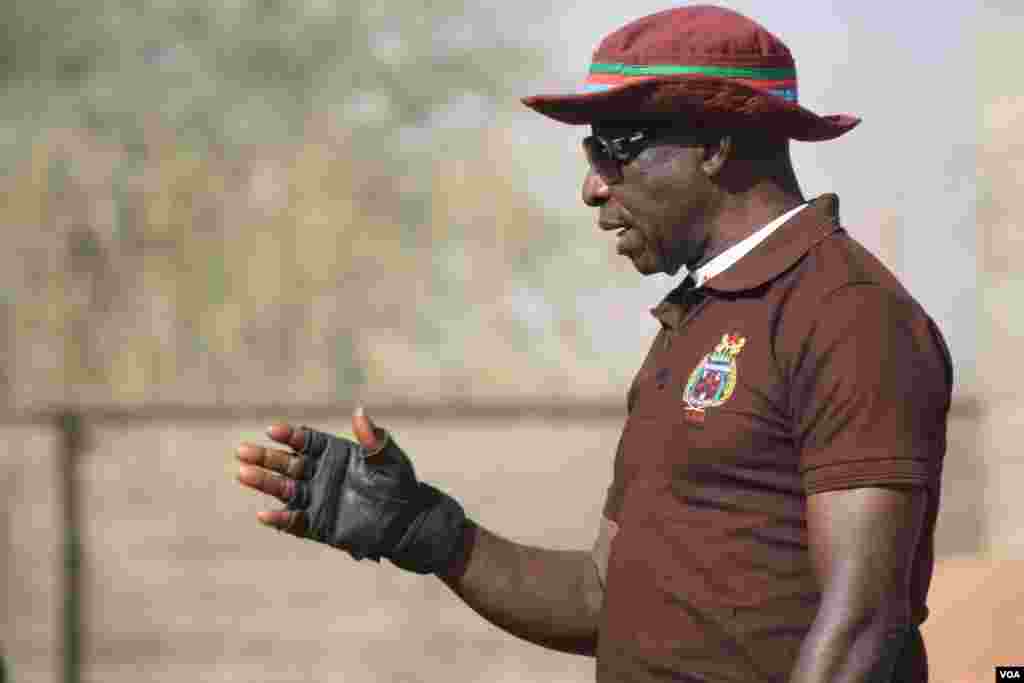
4/7A former soldier trains dozens of volunteer civilian security guards in Kaduna, Nigeria ahead of the 2015 presidential elections, Kaduna, Nigeria, Feb. 14, 2014. (Heather Murdock/VOA)
Three years ago, post-election violence in the Nigerian city of Kaduna left nearly 1,000 people dead and forced tens of thousands to flee their homes. As the city prepares for elections next year, there are concerns a renewal of violence and homelessness could devastate the city unless there is a fundamental shift in the way Nigerians do politics.
Show moreShow less
5/7Pastor Yohanna Buru of the Peace Revival and Reconciliation Foundation of Nigeria works with Muslim leaders to try to reconcile decades-old differences between Muslims and Christians in Nigeria’s ‘Middle Belt,’ Kaduna, Nigeria, Feb. 14, 2014. (Heather Murdock/VOA)
Three years ago, post-election violence in the Nigerian city of Kaduna left nearly 1,000 people dead and forced tens of thousands to flee their homes. As the city prepares for elections next year, there are concerns a renewal of violence and homelessness could devastate the city unless there is a fundamental shift in the way Nigerians do politics.
Show moreShow less
6/7Imam Sani Isa of the Peace Revival and Reconciliation Foundation of Nigeria says politicians in Nigeria use religion to polarize the public on other economic and social issues, Kaduna, Nigeria, Feb. 14, 2014. (Heather Murdock/VOA)
Three years ago, post-election violence in the Nigerian city of Kaduna left nearly 1,000 people dead and forced tens of thousands to flee their homes. As the city prepares for elections next year, there are concerns a renewal of violence and homelessness could devastate the city unless there is a fundamental shift in the way Nigerians do politics.
Show moreShow less
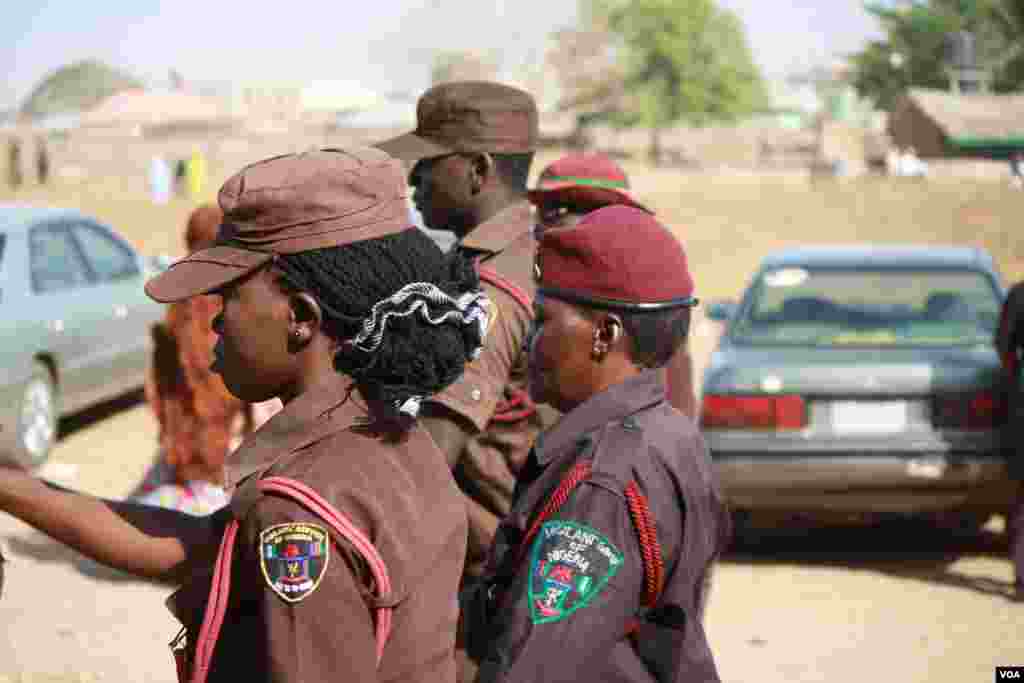
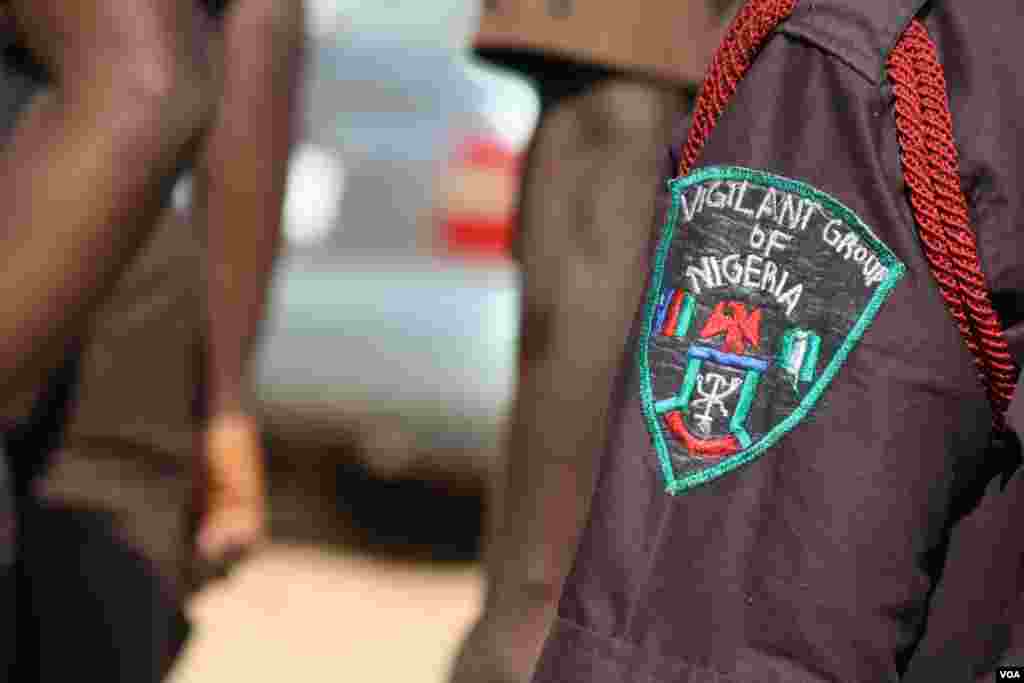
7/7Across Nigeria, thousands of men and women volunteer to be ‘vigilantes,’ patrolling neighborhoods to provide information to security forces,Kaduna, Nigeria, Feb. 14, 2014. (Heather Murdock/VOA)
Three years ago, post-election violence in the Nigerian city of Kaduna left nearly 1,000 people dead and forced tens of thousands to flee their homes. As the city prepares for elections next year, there are concerns a renewal of violence and homelessness could devastate the city unless there is a fundamental shift in the way Nigerians do politics.
Show moreShow less
Previous slide
Next slide
Kaduna officials said they hope to avert a security crisis next year by strengthening security and prosecuting anyone guilty of election violence. But the international rights group Human Rights Watch said thousands of people have been killed in sectarian violence since 2010 and almost no one has been held responsible.
Civilian security groups, including dozens of uniformed trainees, said the only way to make Kaduna safe is to stop crimes before they happen.
Retired Navy Captain Ab Umar, one of the leaders of the Vigilante Group of Nigeria, said his group is increasing patrols and gathering information to share with security forces.
"We gather local intelligence reports and we stop the crime at the planning stage, before the crime starts," he said.
Violence might be averted in 2015 because people in Kaduna have physically separated themselves - much like the rest of the country - with Christians in the south, and Muslims in the north.
At the displacement camp, Sani said there remain only a few hundred of the people who fled his neighborhood three years ago. But for them, he said, even entirely peaceful elections will not be much comfort without a home.