BOALI, CENTRAL AFRICAN REPUBLIC —
The United Nations and international human rights groups say militias in the Central African Republic, known as the anti-Balaka, are carrying out an "ethnic cleansing" of the country's Muslim minority. Muslims are being targeted as payback for abuses committed by the recently ousted Seleka rebel coalition. Muslim residents in the western town of Boali have been living in a church for protection for the past month.
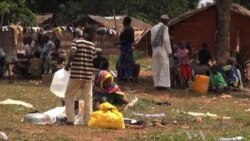
About 500 Muslims are living at one Catholic church in Boali. Many have lost everything. They are getting little to no assistance.
Ibrahim Mohamed was in Boyali, a town further northwest, when the anti-Balaka attacked on January 8.
"They had guns and grenades. We tried to fight back. All we had were bows and arrows. We called Seleka for help and fled into the bush. When Seleka got there, we came out and saw all the dead. The anti-Balaka killed my father, who was the village chief, my two wives and four of my children," said Mohamed.
CAR: A Country Plunged Into Sectarian, Humanitarian Crisis
1/13A woman reacts near the dead body of her sister who was killed during one of the latest incidents of sectarian violence in the 5th Arrondissement of the capital Bangui February 9, 2014. REUTERS/Siegfried Modola
Some analysts have cast the conflict as a religious war, part of a greater struggle for Islamist domination of the continent, especially in light of reprisals by Christians against the Muslim population of the CAR. But most analysts believe that it began when political rivals appealed to religious identity to boost political ambitions. In the end, it has pitted religious groups against one another in a brutal conflict that some fear could lead to partitioning the country.
Show moreShow less
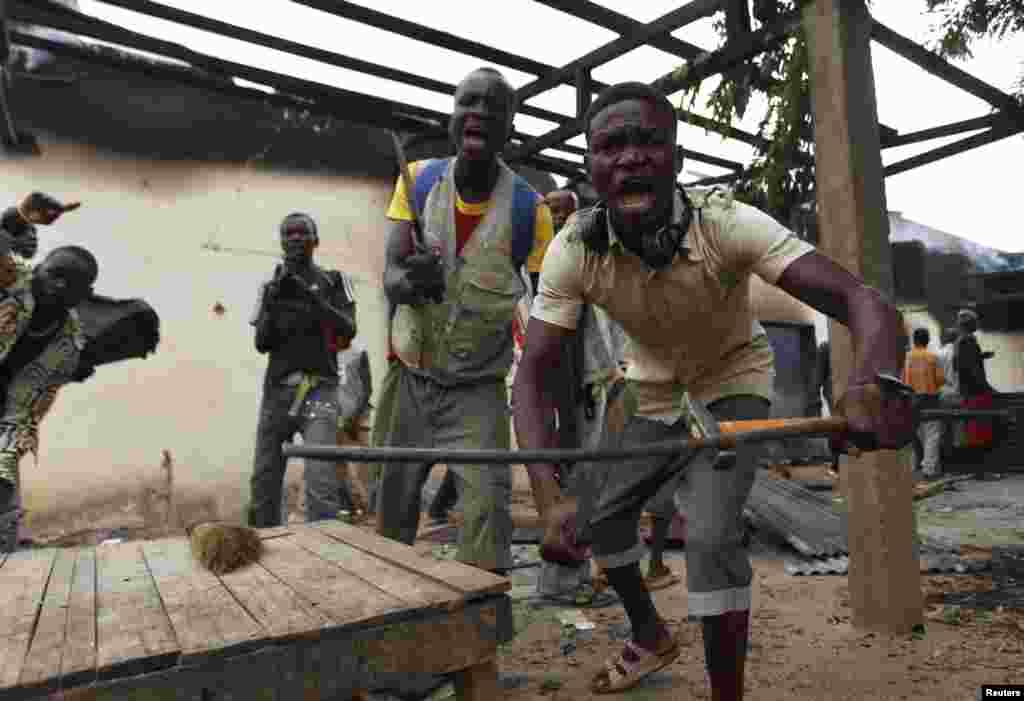
2/13Christians loot a mosque in Bangui December 10, 2013. REUTERS/Emmanuel Braun
Some analysts have cast the conflict as a religious war, part of a greater struggle for Islamist domination of the continent, especially in light of reprisals by Christians against the Muslim population of the CAR. But most analysts believe that it began when political rivals appealed to religious identity to boost political ambitions. In the end, it has pitted religious groups against one another in a brutal conflict that some fear could lead to partitioning the country.
Show moreShow less
3/13A mother holds her child while attempting to take cover as repeated gun shots are heard close to Miskine district during continuing sectarian violence in the capital Bangui, Central African Republic, Jan. 28, 2014.
Some analysts have cast the conflict as a religious war, part of a greater struggle for Islamist domination of the continent, especially in light of reprisals by Christians against the Muslim population of the CAR. But most analysts believe that it began when political rivals appealed to religious identity to boost political ambitions. In the end, it has pitted religious groups against one another in a brutal conflict that some fear could lead to partitioning the country.
Show moreShow less
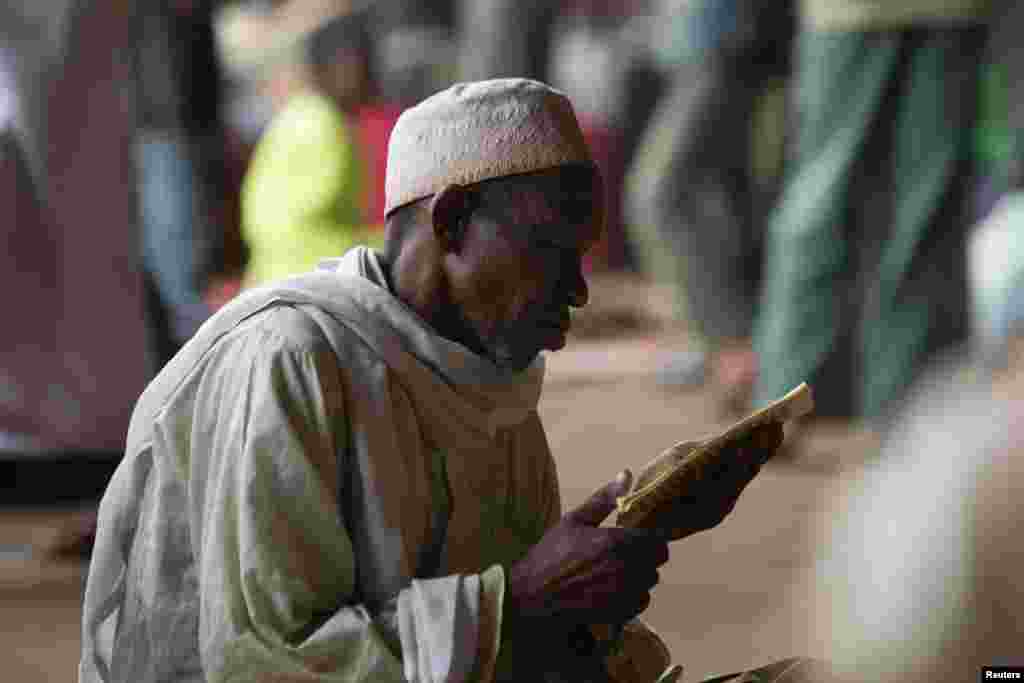
4/13A man prays while reading verses from the Koran in a hangar at the airport of the capital Bangui January 30, 2014. The hangar is used to shelter internally displaced Muslims fleeing the continuing sectarian violence and those waiting to be evacuated by ai
Some analysts have cast the conflict as a religious war, part of a greater struggle for Islamist domination of the continent, especially in light of reprisals by Christians against the Muslim population of the CAR. But most analysts believe that it began when political rivals appealed to religious identity to boost political ambitions. In the end, it has pitted religious groups against one another in a brutal conflict that some fear could lead to partitioning the country.
Show moreShow less
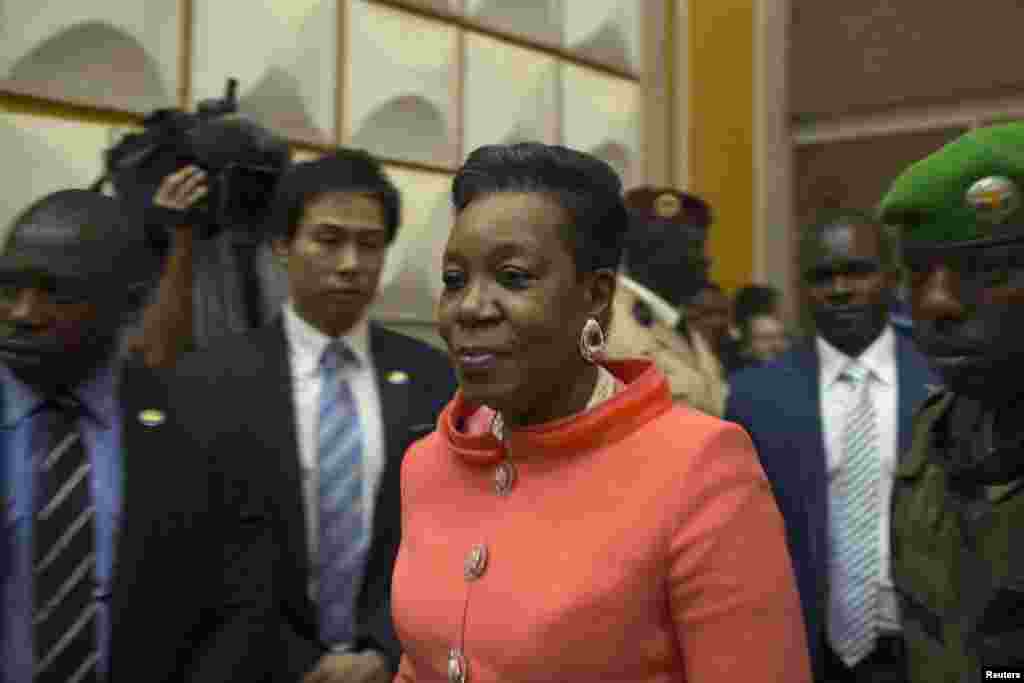
5/13Newly parliamentary-elected interim President of the Central African Republic Catherine Samba-Panza walks into the National Assembly prior to her swearing-in ceremony in the capital Bangui January 23, 2014. REUTERS/Siegfried Modola
Some analysts have cast the conflict as a religious war, part of a greater struggle for Islamist domination of the continent, especially in light of reprisals by Christians against the Muslim population of the CAR. But most analysts believe that it began when political rivals appealed to religious identity to boost political ambitions. In the end, it has pitted religious groups against one another in a brutal conflict that some fear could lead to partitioning the country.
Show moreShow less
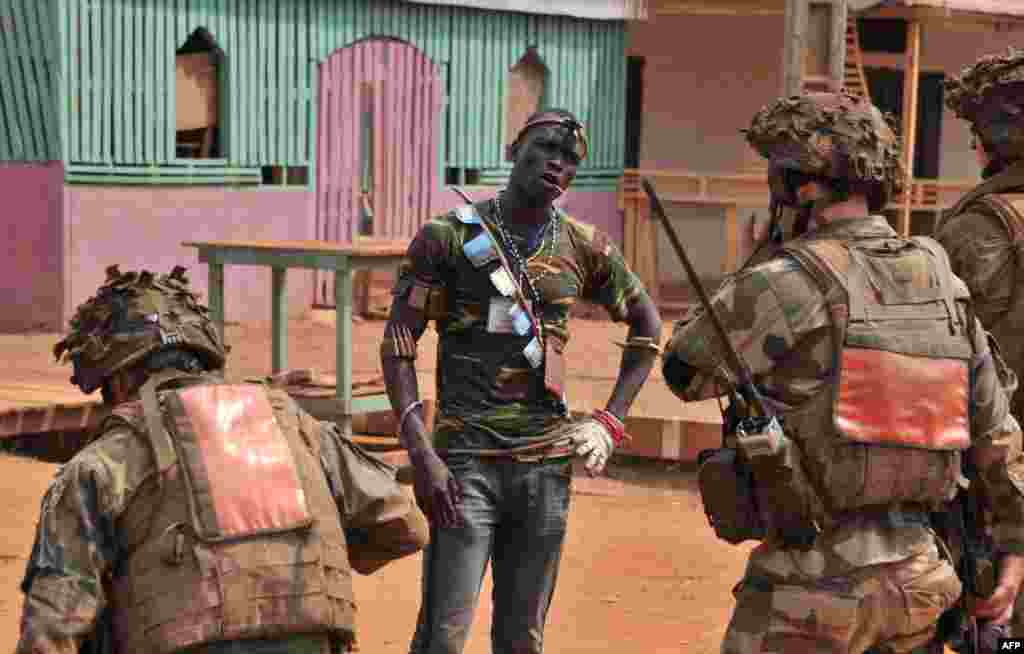
6/13French troops of the Sangaris Operation speak to a member of the Anti-Balaka Christian militia who handed over his arms in Bangui on January 25, 2014. The new president of the Central African Republic Catherine Samba Panza set to work to choose members of
Some analysts have cast the conflict as a religious war, part of a greater struggle for Islamist domination of the continent, especially in light of reprisals by Christians against the Muslim population of the CAR. But most analysts believe that it began when political rivals appealed to religious identity to boost political ambitions. In the end, it has pitted religious groups against one another in a brutal conflict that some fear could lead to partitioning the country.
Show moreShow less
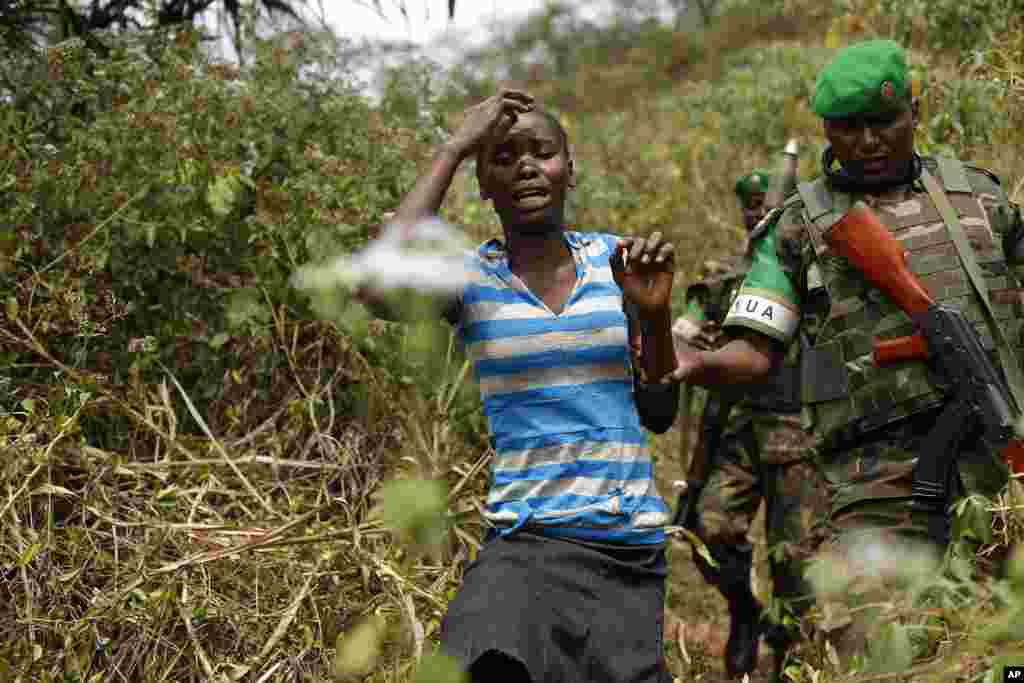
7/13A terrified woman walks down from the bush in the hills 15 Kms (10 miles) outside Bangui, Central African Republic, Friday Jan. 24, 2014, as Rwandan troops tell her to calm down during a weapons search operation. No weapons were found. Christian militiam
Some analysts have cast the conflict as a religious war, part of a greater struggle for Islamist domination of the continent, especially in light of reprisals by Christians against the Muslim population of the CAR. But most analysts believe that it began when political rivals appealed to religious identity to boost political ambitions. In the end, it has pitted religious groups against one another in a brutal conflict that some fear could lead to partitioning the country.
Show moreShow less
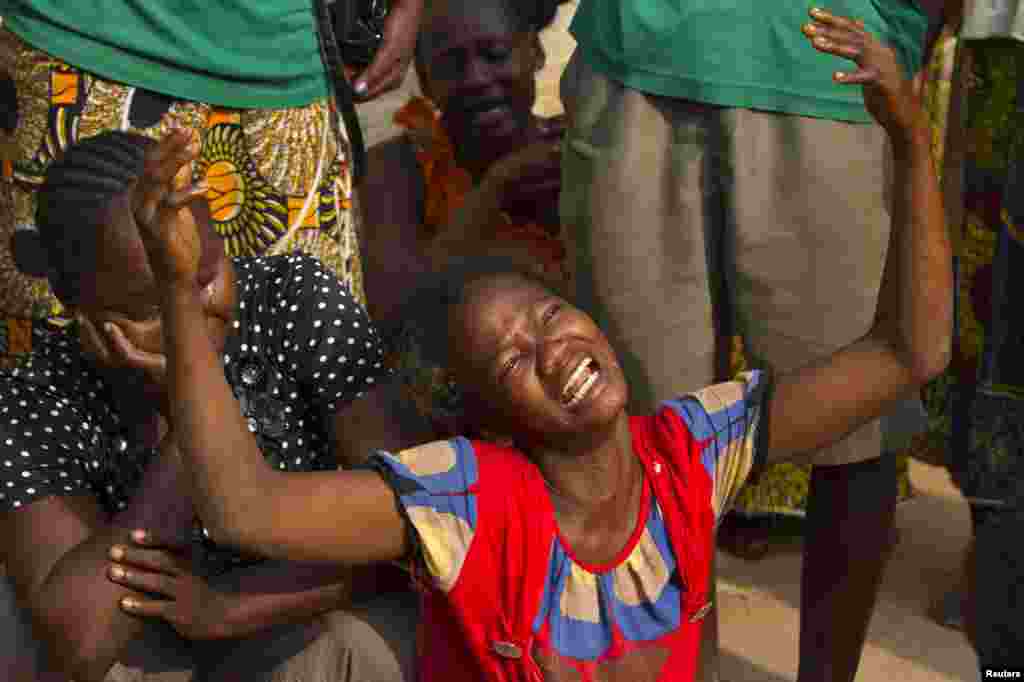
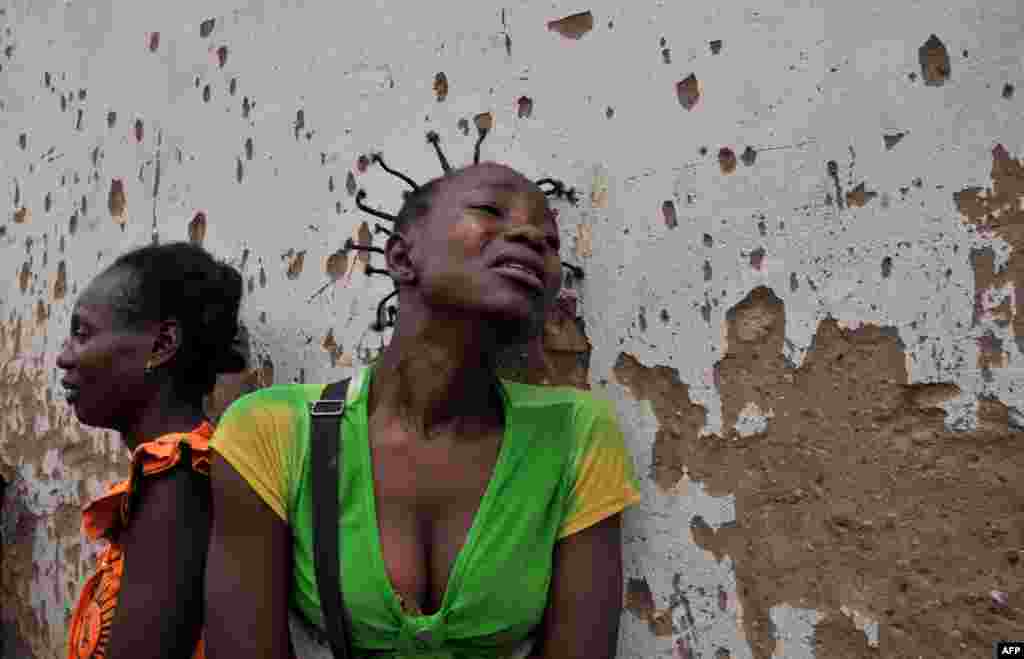
8/13Two women mourn, Feb. 9, 2014, in Bangui the death of two relatives killed in the 5th district, one the of the city's central neighborhoods.
Some analysts have cast the conflict as a religious war, part of a greater struggle for Islamist domination of the continent, especially in light of reprisals by Christians against the Muslim population of the CAR. But most analysts believe that it began when political rivals appealed to religious identity to boost political ambitions. In the end, it has pitted religious groups against one another in a brutal conflict that some fear could lead to partitioning the country.
Show moreShow less
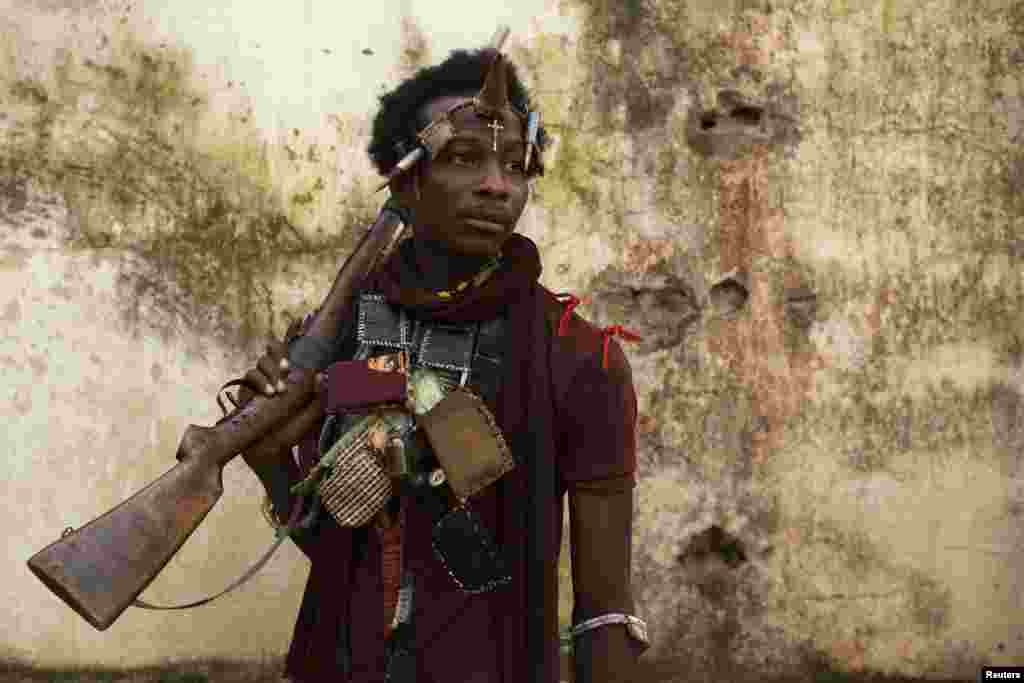
9/13An Anti-balaka militiaman poses for a photograph in the capital of the Central African Republic Bangui January 14, 2014. REUTERS/Siegfried Modola
Some analysts have cast the conflict as a religious war, part of a greater struggle for Islamist domination of the continent, especially in light of reprisals by Christians against the Muslim population of the CAR. But most analysts believe that it began when political rivals appealed to religious identity to boost political ambitions. In the end, it has pitted religious groups against one another in a brutal conflict that some fear could lead to partitioning the country.
Show moreShow less
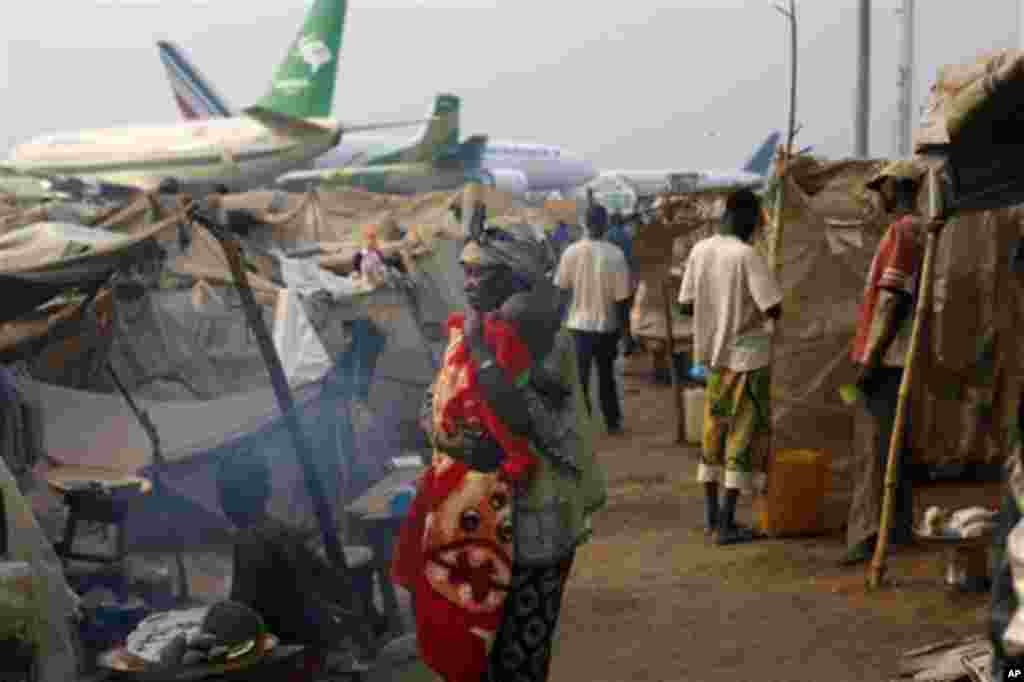
10/13Christian refugees living in makeshift shelters near the airport in Bangui, Central African Republic, Tuesday Jan. 28, 2014, as they try to escape from the deepening divisions between the country's Muslim minority and Christian majority. Christian refug
Some analysts have cast the conflict as a religious war, part of a greater struggle for Islamist domination of the continent, especially in light of reprisals by Christians against the Muslim population of the CAR. But most analysts believe that it began when political rivals appealed to religious identity to boost political ambitions. In the end, it has pitted religious groups against one another in a brutal conflict that some fear could lead to partitioning the country.
Show moreShow less
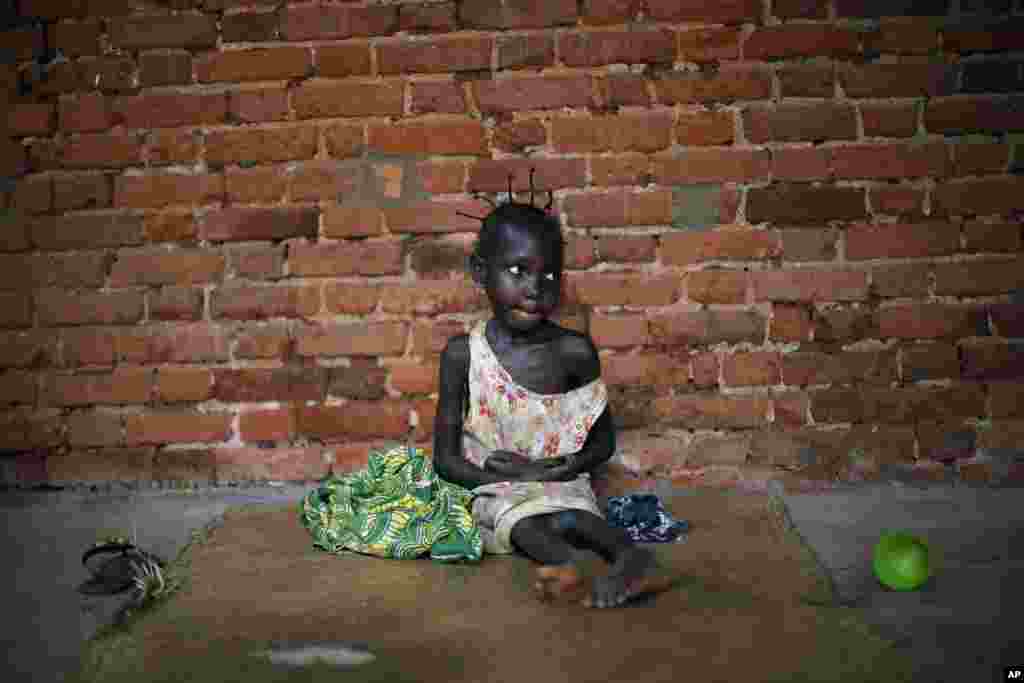
11/13Amandine, 7, who found refuge in the Mbaiki cathedral, in Mbaiki, some 120kms (75 miles) south west of bangui, Central African Republic, sits on the ground, Sunday, Jan. 26, 2014. Amandine, who lost both parents five years ago, cannot speak nor walk. She
Some analysts have cast the conflict as a religious war, part of a greater struggle for Islamist domination of the continent, especially in light of reprisals by Christians against the Muslim population of the CAR. But most analysts believe that it began when political rivals appealed to religious identity to boost political ambitions. In the end, it has pitted religious groups against one another in a brutal conflict that some fear could lead to partitioning the country.
Show moreShow less
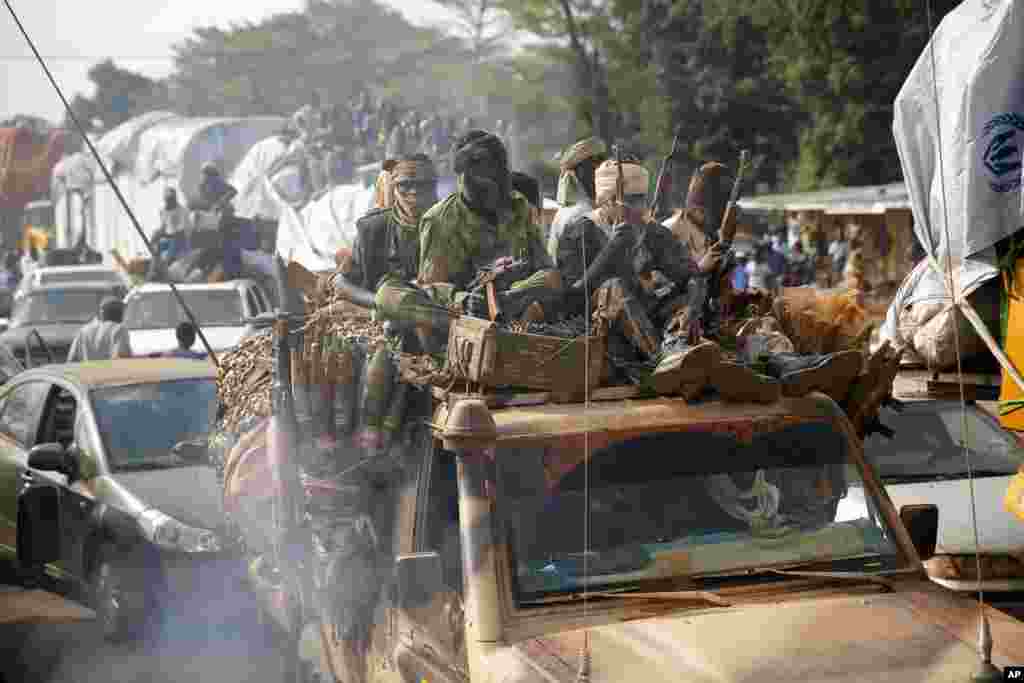
12/13At PK12 Chadian troops escort thousands of Muslim residents from Bangui and Mbaiki, fleeing the Central African Republic capital Bangui in a mass exodus using cars, pickups, trucks, lorries and motorcycles on Friday Feb. 7, 2014.
Some analysts have cast the conflict as a religious war, part of a greater struggle for Islamist domination of the continent, especially in light of reprisals by Christians against the Muslim population of the CAR. But most analysts believe that it began when political rivals appealed to religious identity to boost political ambitions. In the end, it has pitted religious groups against one another in a brutal conflict that some fear could lead to partitioning the country.
Show moreShow less
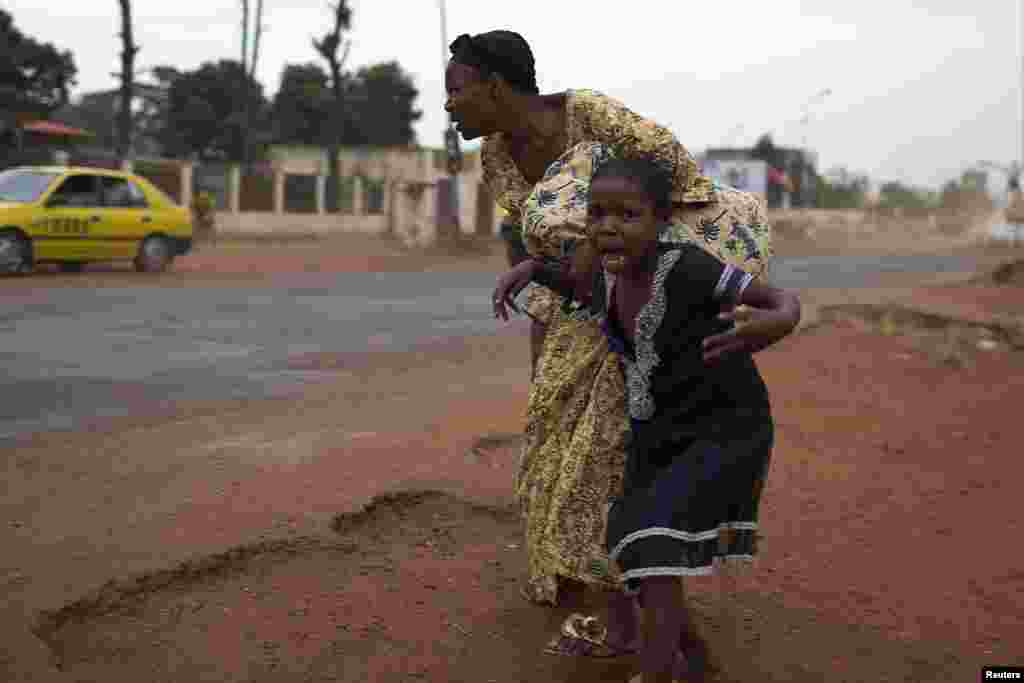
13/13A woman runs for cover as heavy gunfire erupts in the Miskin district of Bangui, Central African Republic, Feb. 3, 2014.
Some analysts have cast the conflict as a religious war, part of a greater struggle for Islamist domination of the continent, especially in light of reprisals by Christians against the Muslim population of the CAR. But most analysts believe that it began when political rivals appealed to religious identity to boost political ambitions. In the end, it has pitted religious groups against one another in a brutal conflict that some fear could lead to partitioning the country.
Show moreShow less
Previous slide
Next slide
Seleka's nine-month rule has ended and throughout the west and in the capital, the anti-Balaka have been seeking revenge for those months of killing, looting and destruction.
It was on January 17 that international troops pushed Seleka out of Boali. The anti-Balaka and local residents turned on the Muslims. Those that could, fled.
Abbot Xavier-Arnaud Fagba went out, door to door, bringing the rest to his parish. "I didn't have a plan. I was just thinking here are brothers in difficulty. They needed help. I went to get them as a pastor and as a Christian. I did it in the name of my faith."
The anti-Balaka tried to attack the church on February 4. Congolese troops fought them off and are guarding the compound.
Mohamed Mouctar said the anti-Balaka grabbed him in the market just two weeks ago. He escaped, but now won't leave the church.
"The anti-Balaka, they tied me up here with rope. Both sides. And my feet as well as behind my back…They are still of a mind to do bad things to Muslims," said Mouctar.
This Muslim neighborhood in Boali sits empty, looted.
A resident from across the way, Guy Blaise Zaze, said the people who lived here collaborated with Seleka. "Before we all worked together, we laughed together. But when Seleka came to Boali, they changed completely. The smallest thing and they got their weapon. The smallest thing and they just wanted to kill Christians."