Japan Government to Deal with Fukushima Nuclear Leaks
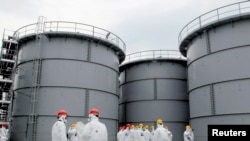
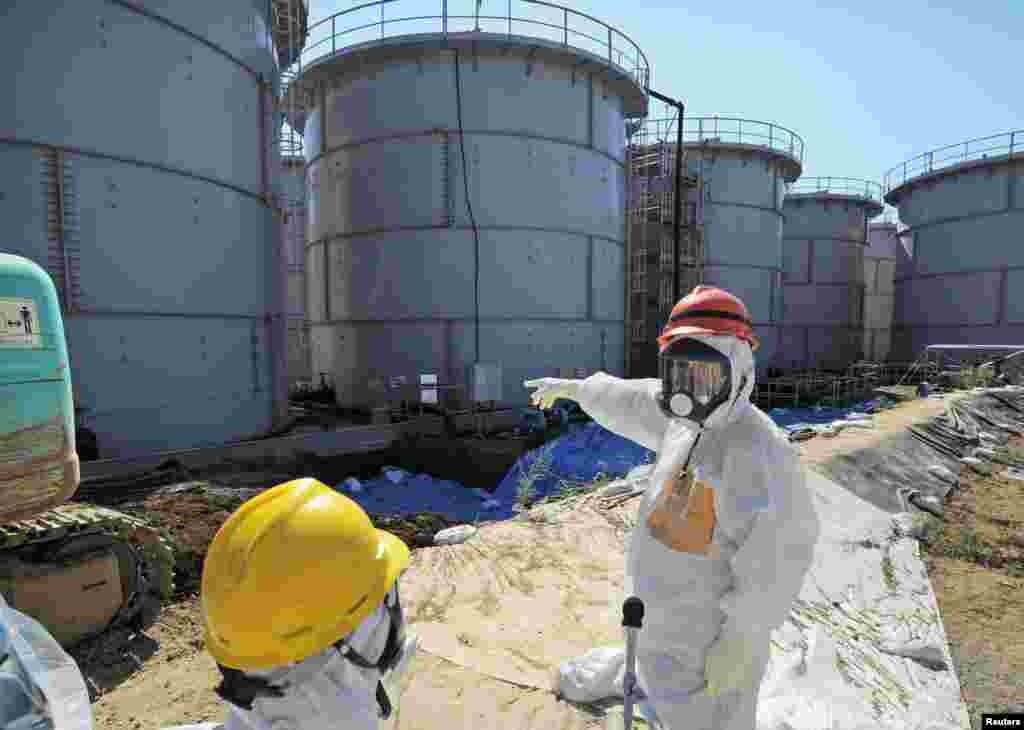
Tanks of radiation-contaminated water are seen at the Tokyo Electric Power Co (TEPCO)'s tsunami-crippled Fukushima Daiichi nuclear power plant in Fukushima prefecture, (File photo).
BANGKOK —
Japan's government says it will take the lead in trying to stem the leaks of highly radioactive water at the Fukushima nuclear power plant. The nuclear reactors were crippled by a huge tsunami generated by a devastating earthquake two and a half years ago.
Japanese Prime Minister Shinzo Abe is vowing to spend whatever is needed to contain the ongoing disaster at the destroyed Fukushima reactors on the Pacific coast in the northeastern part of the country.
Abe took steps on Tuesday after repeated leaks of highly toxic water at the site indicated that the plant's operator has not been able to sufficiently manage the cleanup.
Fukushima Since the Tsunami
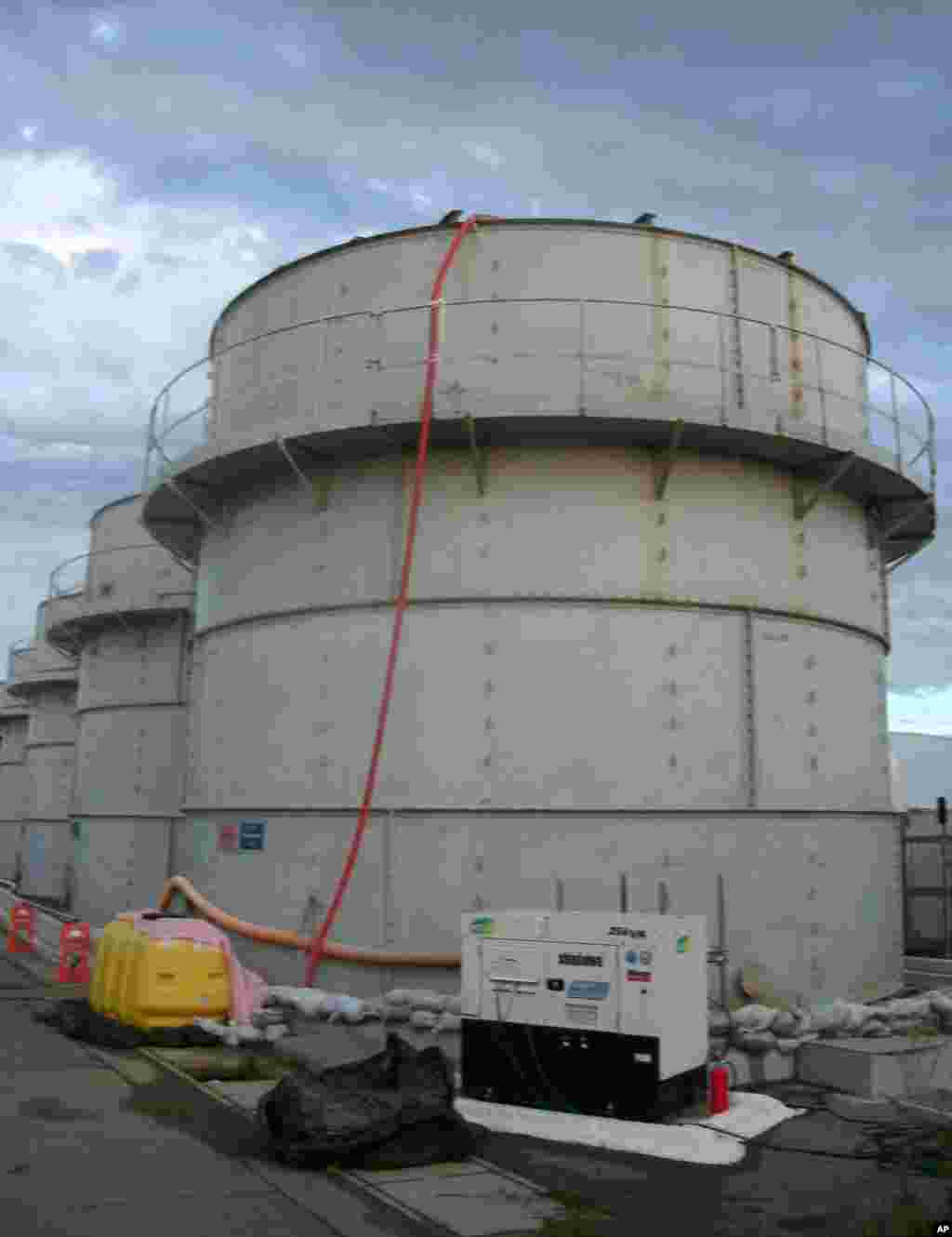
1/15This photo released by Tokyo Electric Power Co. shows the storage tank that workers determined was overfilled, causing a leak of toxic water, Fukushima, Japan, Oct. 3, 2013.
Show moreShow less
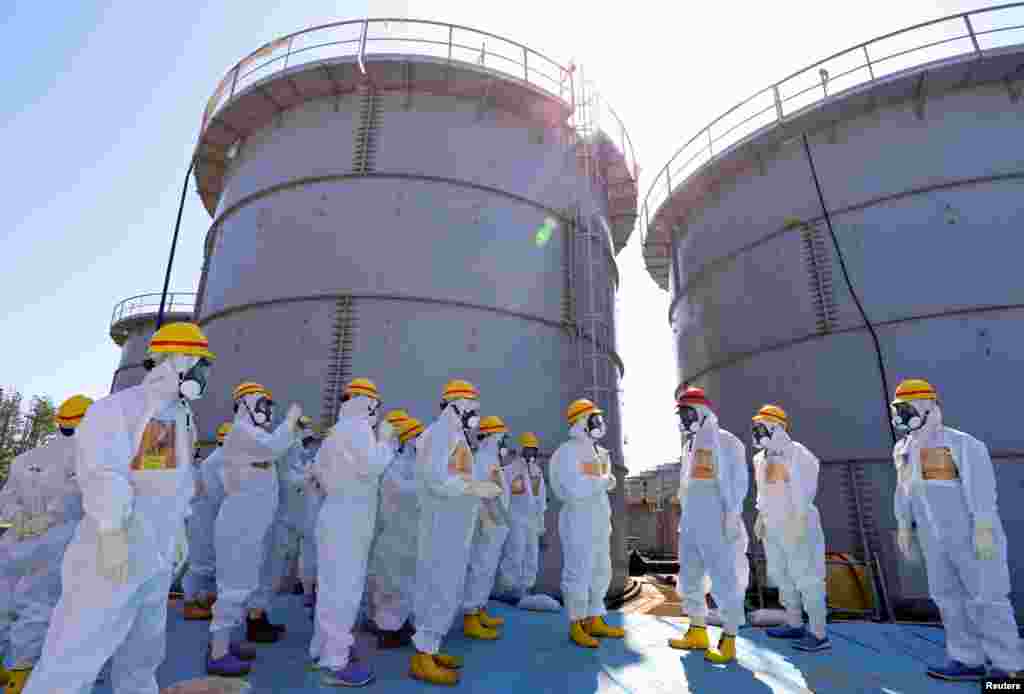
2/15Japan's Prime Minister Shinzo Abe (in red helmet), wearing a protective suit and mask, is briefed about tanks containing radioactive water by Fukushima Daiichi nuclear power plant chief Akira Ono in Okuma, Sept. 19, 2013.
Show moreShow less
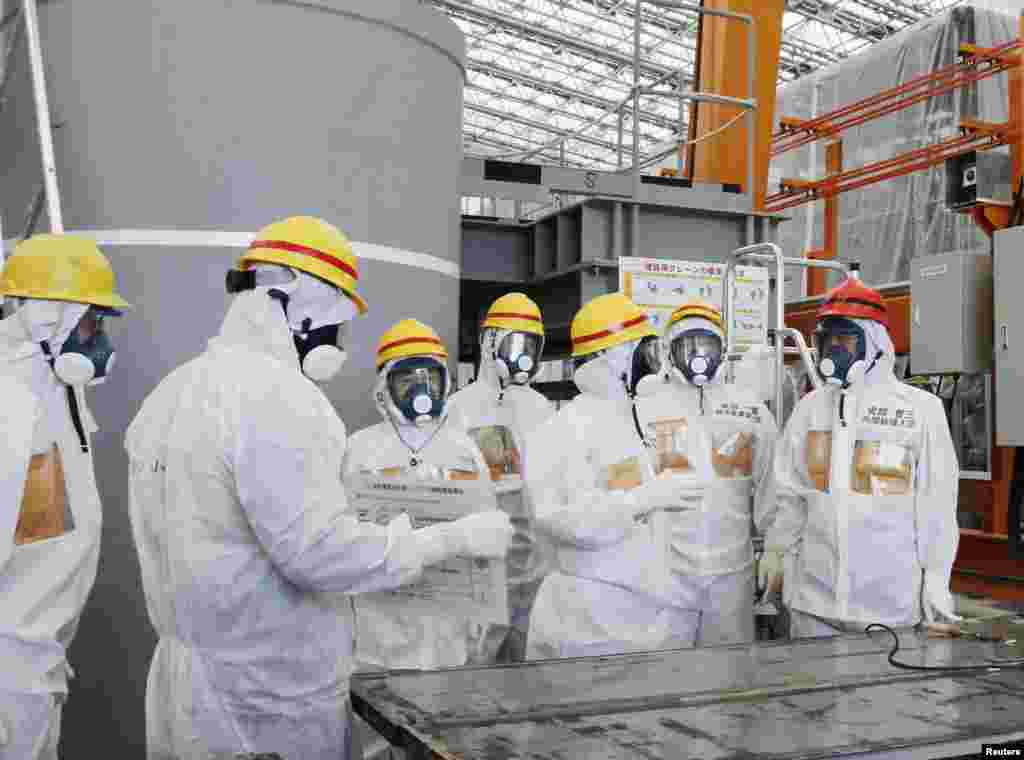
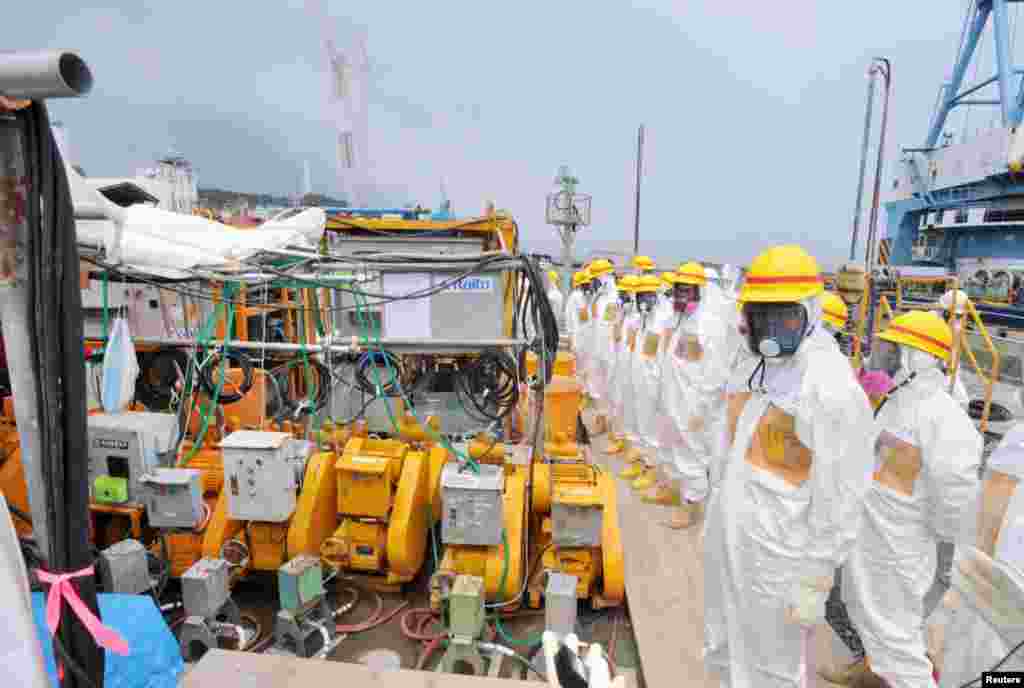
3/15Japan's Prime Minister Shinzo Abe (R) is briefed about water treatment equipment during his inspection tour of the tsunami-crippled Fukushima Daiichi nuclear power plant, Sept. 19, 2013.
Show moreShow less
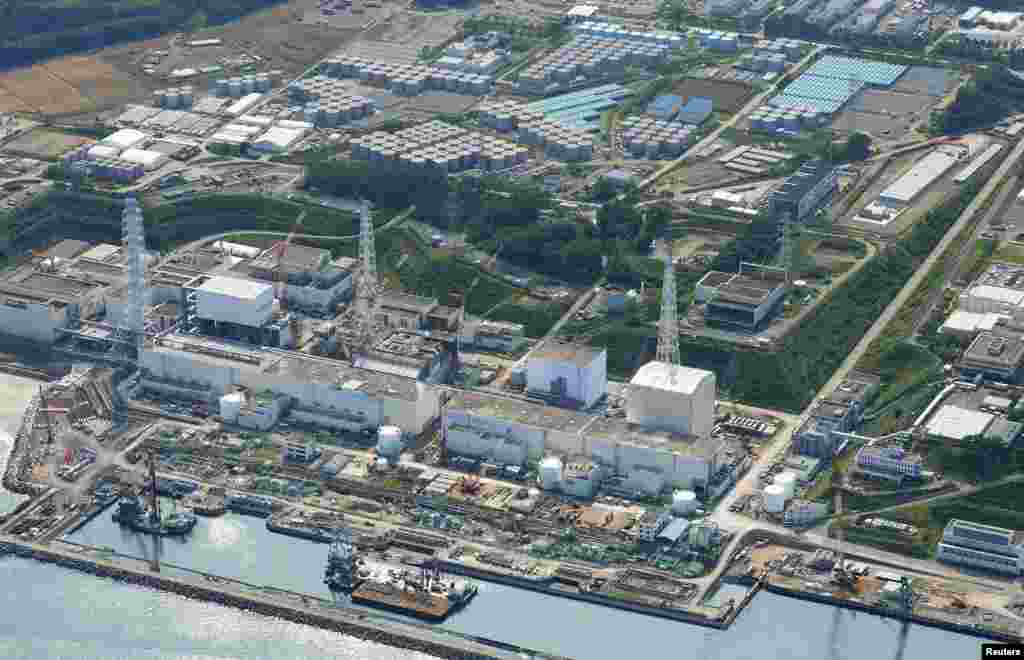
4/15An aerial view shows the tsunami-crippled Fukushima Daiichi nuclear power plant and its contaminated water storage tanks (top), August 31, 2013. (Reuters/Kyodo)
Show moreShow less
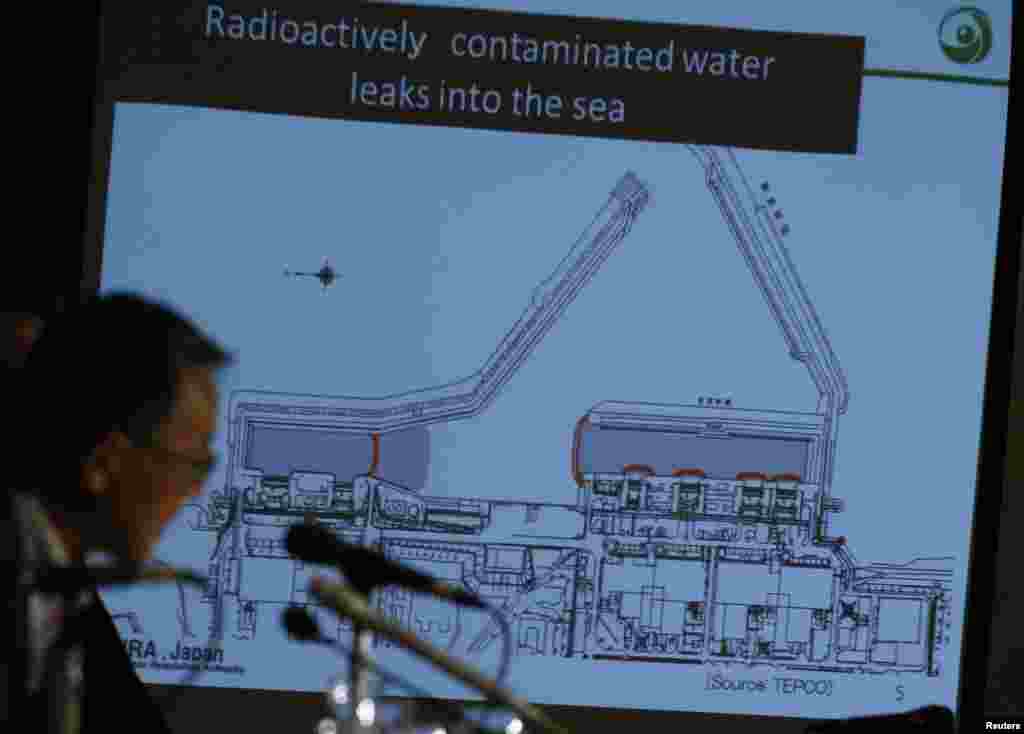
5/15Japan's Nuclear Regulation Authority Chairman Shunichi Tanaka is seen in front of a screen showing the current situation of the contaminated water leakage at Fukushima Daiichi, Sept. 2, 2013.
Show moreShow less
6/15An aerial view shows workers wearing protective suits and masks working atop contaminated water storage tanks at the Fukushima Daiichi nuclear power plant in this photo taken by Kyodo, August 20, 2013.
Show moreShow less
7/15Members of a Fukushima prefecture panel, which monitors the safe decommissioning of the nuclear plant, inspect the construction site of the shore barrier, August 6, 2013.
Show moreShow less
8/15An aerial view shows the No.3 reactor building at the Fukushima Daiichi nuclear power plant, July 18, 2013. (Reuters/Kyodo)
Show moreShow less
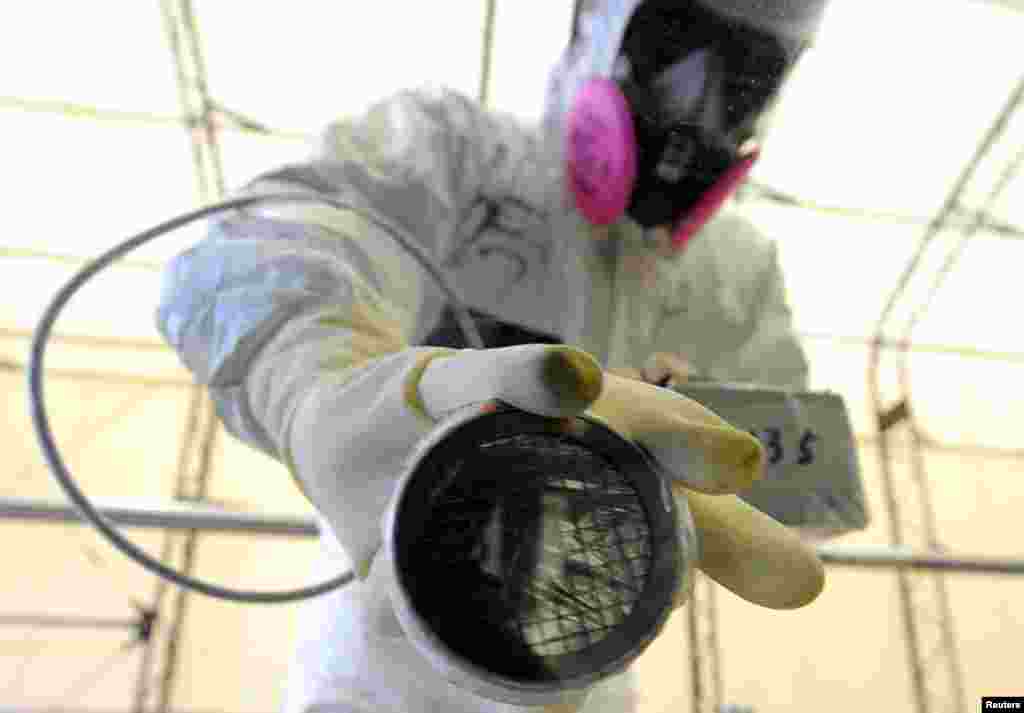
9/15A worker takes radiation readings on the window of a bus at the screening point of the Fukushima Daiichi nuclear power plant, June 12, 2013.
Show moreShow less
10/15Dünya Bankında Ebola ilə bağlı tədbir
Show moreShow less
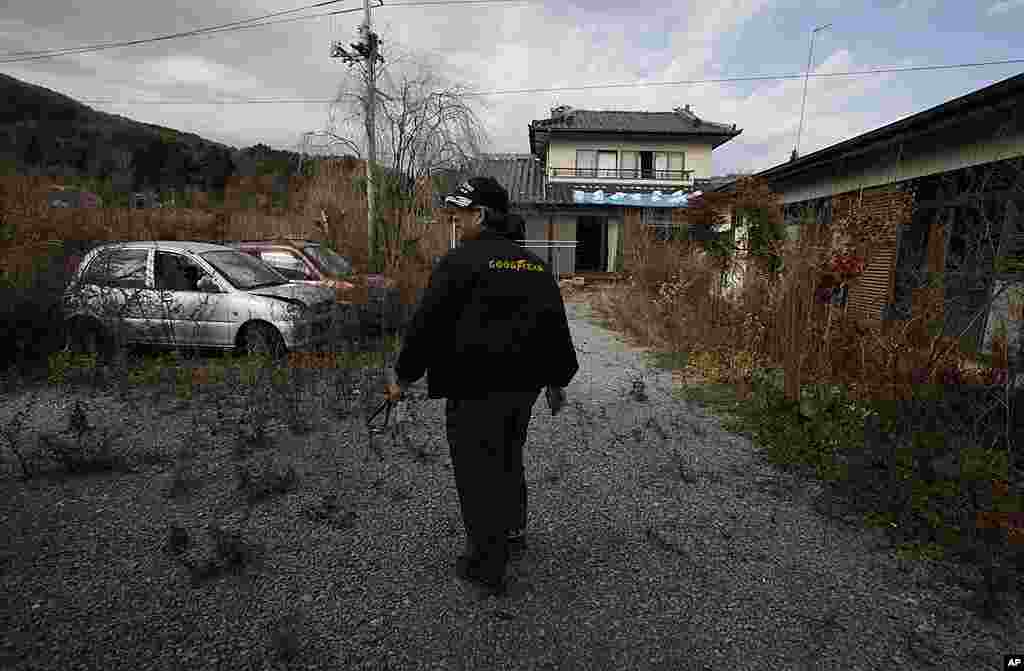
11/15A former resident walks past an overgrown garden during a visit to his home in the abandoned town of Namie, just outside the 20 kilometer exclusion zone around the Fukushima Daiichi plant, Nov. 20, 2011.
Show moreShow less
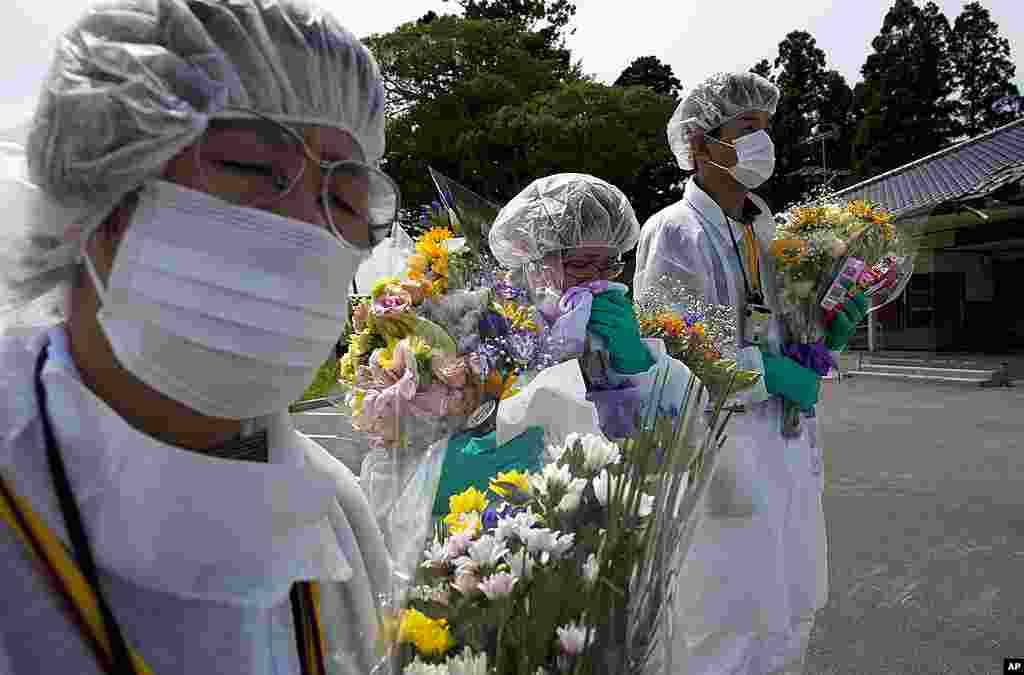
12/15Mourners in protective suits hold flowers at a memorial ceremony for residents from the town of Okuma, inside the contaminated exclusion zone near the crippled Fukushima Daiichi nuclear power plant, July 24, 2011.
Show moreShow less
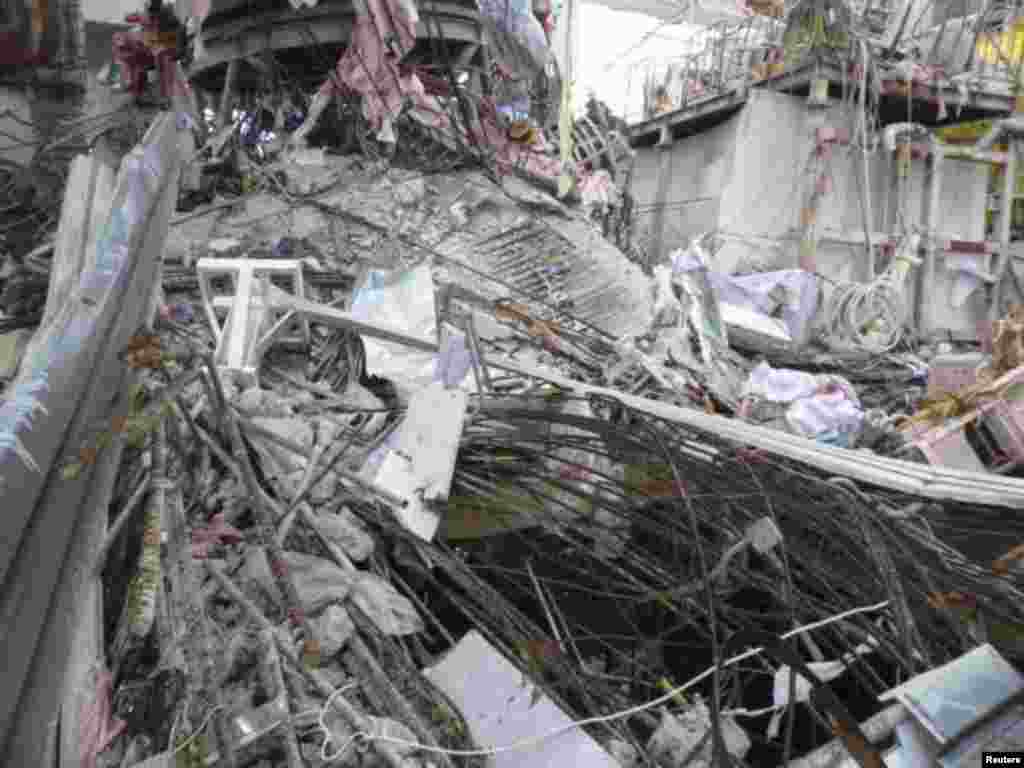
13/15Interior of No. 4 reactor building at the tsunami-crippled Fukushima Dai-chi nuclear power plant, Nov. 8, 2011.
Show moreShow less
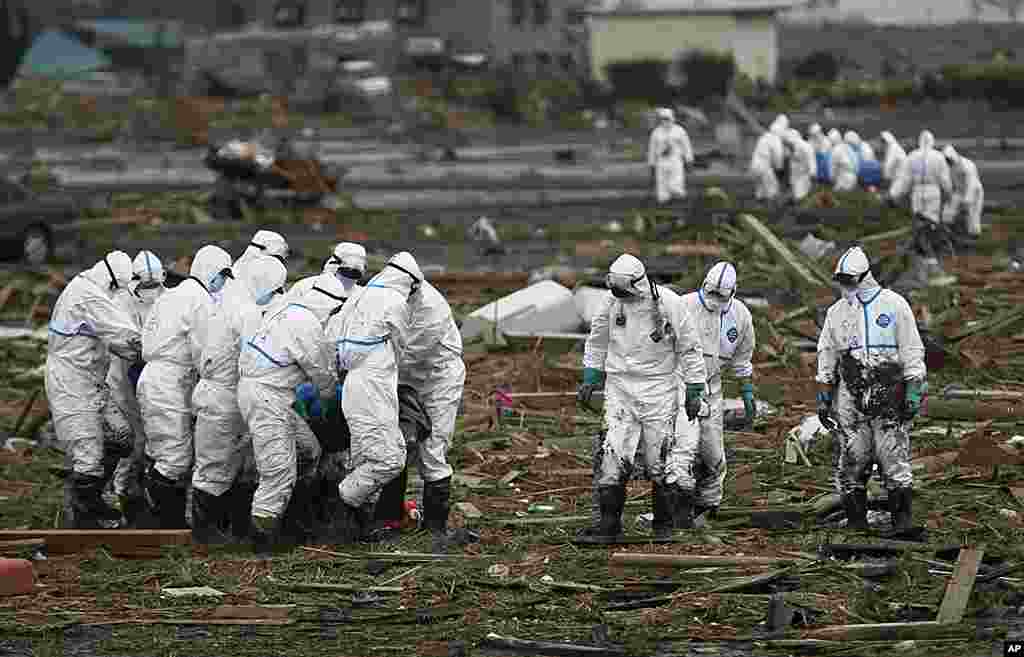
14/15Japanese police officers wearing suits to protect them from radiation carries a victim as another group carries another body while searching for missing people in Minami Soma, Fukushima Prefecture, April 8, 2011.
Show moreShow less
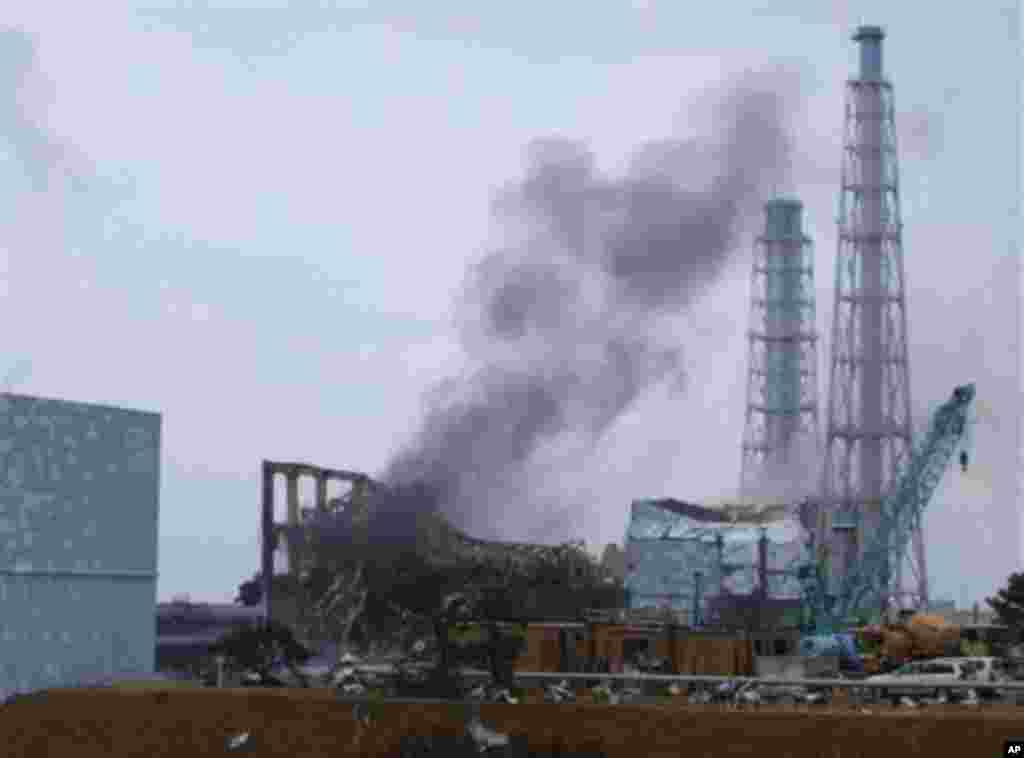
15/15Smoke rising from Unit 3 of the tsunami-stricken Fukushima Daiichi nuclear power plant, March 21, 2011.
Show moreShow less
Previous slide
Next slide
The Japanese prime minister said it can no longer be left to Tokyo Electric Power Company (TEPCO) to handle the problems resulting from the contaminated water leaks.
“Instead of the ad hoc approaches that have been taken in the past, we put together a basic policy today that will offer a fundamental solution to the problem of contaminated water," he said. "The government needs to resolve the problem by standing at the forefront.”
One of the government responses will be the construction of a shielding wall of frozen earth around the reactors to prevent contaminated water coming into contact with groundwater.
Japan's nuclear regulator is expressing concern about the stability of the destroyed power plant amid revelations of freshly discovered water leaks.
The initial amount of public funds pledged by the government for the cleanup equals $470 million.
Kevin Maher, a former U.S. diplomat who ran the State Department's task force on the March, 2011 disaster, tells VOA that Japanese government financing is essential for the cleanup.
"There's no way that a company like TEPCO for the industry as a whole can survive with the tremendous liabilities that they're facing. I've seen estimates anywhere from a total of all those combined of 13, 14, 15 trillion yen -- up to $150 billion," he said. "$400 million or so additional money is essential but it's not going to solve the problem. Hopefully it's going to be the first step of the government taking a more active role in managing the process, not just providing money to TEPCO."
Maher, now a senior advisor at NMV Consulting in Washington, says the entities currently leading the cleanup have no experience with decontaminating and decommissioning nuclear facilities.
"They need to have a program manager reporting to the government. And that program manager needs to have the authority to make very difficult decisions and make those decisions in terms of what's most efficient, cost effective and safest and quickest way to clean this facility up," he said.
Japanese officials contend that the water leaks at the coastal facility do not pose a threat to any other countries because the radiation will be diluted in the Pacific Ocean. But the closest towns to the plant, abandoned since the accident, are not likely to be re-inhabited for many years to come.