


Accessibility links

Breaking News

30 Years After Bhopal Disaster, Wounds Still Open

Wounds Still Open, 30 Years After India's Gas Disaster
please wait

No media source currently available

0:00 0:03:12 0:00

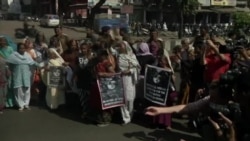
Protesters in India have marked the 30th anniversary of a gas leak disaster in the central Indian town of Bhopal that killed more than 3,000 people. Activists say 25,000 others have died in the aftermath, and that many other people continue to suffer physical and mental consequences from the poisoning. The protesters want Union Carbide, now a subsidiary of the Dow Chemical Company, to be held fully responsible.

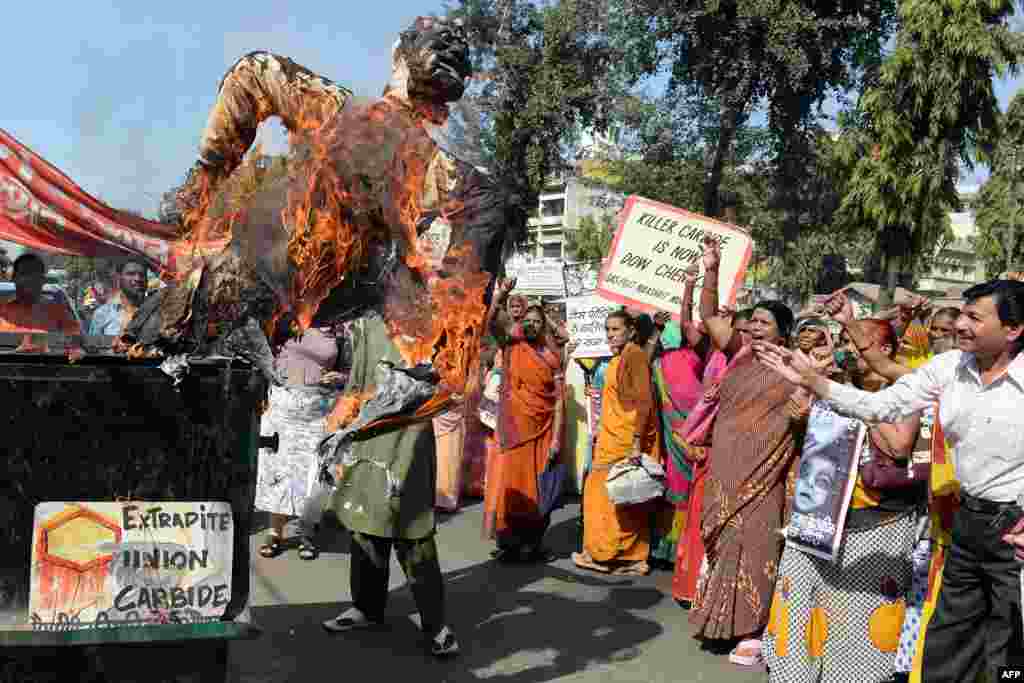
Protesters chanting slogans and carrying pictures of the victims marched in Bhopal Tuesday to demand justice. They burned an effigy representing Dow Chemical, the owner of Union Carbide, which they hold responsible for the disaster.

"The multinationals should not be allowed to do business here without being responsible for what they do. The effigy we burned today is the symbol of our anger," said Balkrishna Namdeo, a protest organizer.

On December 3, 1984, a pesticide plant at Bhopal run by Union Carbide leaked about 40 tons of deadly Methyl Isocyanate gas into the air, creating the world's worst industrial disaster. Survivors and family members of the victims say they are still waiting for full compensation.

"All my family got severely affected. Within two months after the disaster my husband died. I also suffered very badly, I have a lot of health issues. We had two bullocks (animals) at our house -- they died too. So, my sources of livelihood got severely impacted. My children and I survived, but we only received the minimum of health care," said one of the protesters.

Dow Chemical denies responsibility, saying the Indian government took control of the site in 1998. But many activists still blame the company.

"We want to tell the government that they should open their eyes and at least hold the Dow Chemical Company responsible in the Supreme Court, and hold them responsible for destroying the next generation, and ask them to take responsibility for the rehabilitation, treatment and livelihood of the survivors, and for them to lead a dignified life," said Rasheeda Bee, a managing trustee at the Chingari Clinic.

Eight former Union Carbide employees in Bhopal were convicted of causing death by negligence, and were sentenced to two years imprisonment. Victims and activists say this is not enough.

"In 30 years we have achieved something, but what the gas-affected deserved, we have not got that - justice. The central government has not taken any action against the guilty companies so far," said Namdeo.

Environmentalists warn that the Bhopal tragedy is not over, because the toxic substances have contaminated soil and underground water, and continue to pose a threat to area residents.

"There is still the issue of the cleanup of the toxic waste, which is still lying outside the factory and has contaminated the ground water of more than 50,000 people. There is still the question of providing rehabilitation and health monitoring to children who are being born disabled due to the gas disaster, and to parents who live in the water contaminated area," said Rachna Dhingra, a campaigner for the Bhopal Group for Information and Action.

Bhopal residents on Tuesday inaugurated an oral history museum that houses photographs and personal items of the victims, accompanied by audio clips recorded by relatives. Survivors have recorded their own testimonies for the museum.

30 Years After Bhopal Disaster

Members of various organizations representing victims of the Bhopal gas tragedy burn an effigy of Dow Chemical Co., which bought Union Carbide, on the 30th anniversary of the Bhopal gas tragedy in Bhopal, India, Dec. 3, 2014.
1/6 Members of various organizations representing victims of the Bhopal gas tragedy burn an effigy of Dow Chemical Co., which bought Union Carbide, on the 30th anniversary of the Bhopal gas tragedy in Bhopal, India, Dec. 3, 2014.
Show more Show less
Indian motorists drive past a poster bearing the name of the Union carbide company during a march by Bhopal Gas disaster victims to commemorate the 30th anniversary in Bhopal, Dec. 3, 2014.
2/6 Indian motorists drive past a poster bearing the name of the Union carbide company during a march by Bhopal Gas disaster victims to commemorate the 30th anniversary in Bhopal, Dec. 3, 2014.
Show more Show less
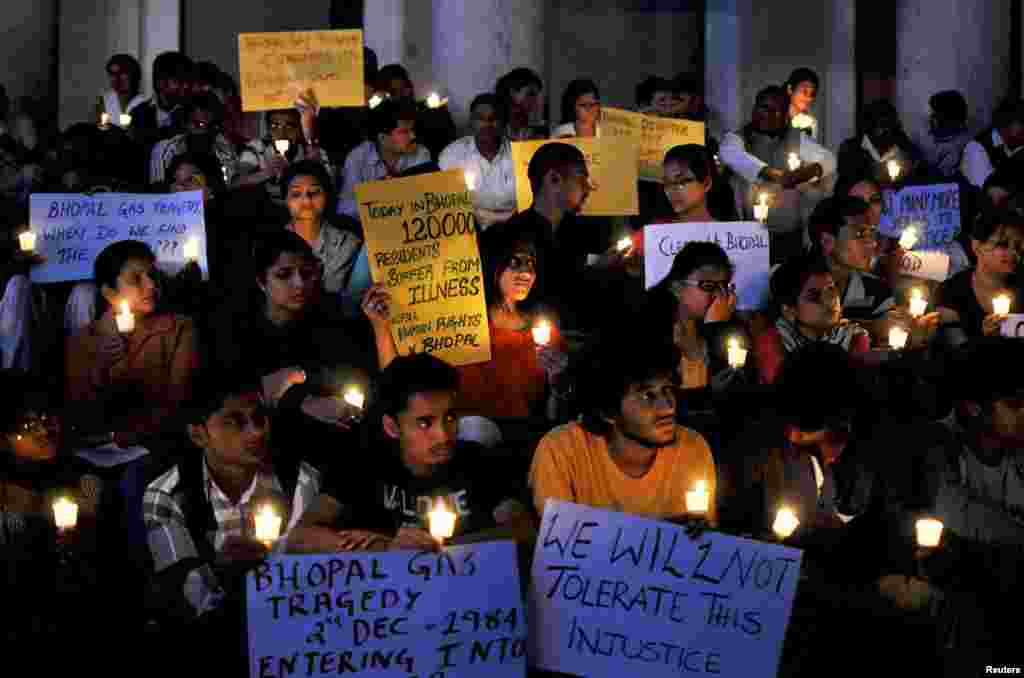
Activists from Bengaluru Solidarity Group, a social group, hold candles and placards during a vigil to commemorate the 30th anniversary of Bhopal gas tragedy, in the southern Indian city of Bengaluru, previously known as Bangalore, Dec. 2, 2014.
3/6 Activists from Bengaluru Solidarity Group, a social group, hold candles and placards during a vigil to commemorate the 30th anniversary of Bhopal gas tragedy, in the southern Indian city of Bengaluru, previously known as Bangalore, Dec. 2, 2014.
Show more Show less
Bhopal Gas disaster survivors shout slogans as they burn an effigy during a protest rally in Bhopal, Dec. 2, 2014. The Bhopal industrial disaster, the world's worst industrial disaster in 1984 when gas leaked from a pesticides plant owned by the US multinational Union Carbide, killed about 4,000 people on the night of December 3, 1984.
4/6 Bhopal Gas disaster survivors shout slogans as they burn an effigy during a protest rally in Bhopal, Dec. 2, 2014. The Bhopal industrial disaster, the world's worst industrial disaster in 1984 when gas leaked from a pesticides plant owned by the US multinational Union Carbide, killed about 4,000 people on the night of December 3, 1984.
Show more Show less
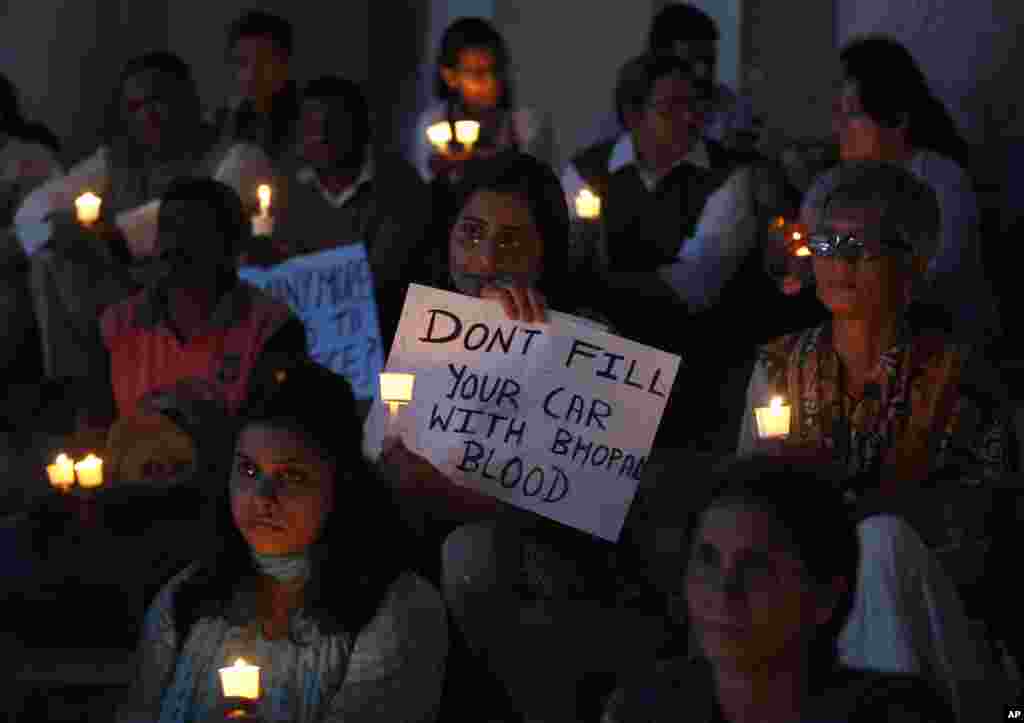
Members of student groups and activists of social organizations participate in a candle light vigil to express solidarity with the Bhopal gas tragedy survivors on the eve of its 30th anniversary in Bangalore, India, Dec. 2, 2014.
5/6 Members of student groups and activists of social organizations participate in a candle light vigil to express solidarity with the Bhopal gas tragedy survivors on the eve of its 30th anniversary in Bangalore, India, Dec. 2, 2014.
Show more Show less
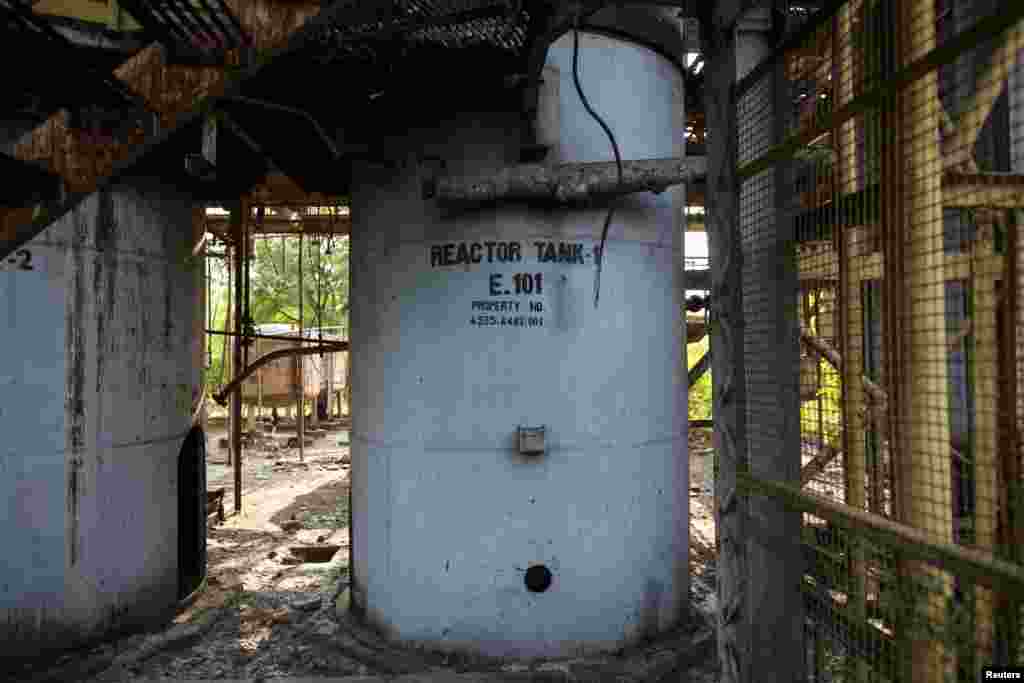
A reactor tank stands among the ruins of the abandoned former Union Carbide pesticide plant in Bhopal, Nov. 14, 2014. On the night of December 2, 1984, the factory owned by the U.S. multinational Union Carbide Corporation accidentally leaked cyanide gas into the air, killing thousands of largely poor Indians in the central city of Bhopal.
6/6 A reactor tank stands among the ruins of the abandoned former Union Carbide pesticide plant in Bhopal, Nov. 14, 2014. On the night of December 2, 1984, the factory owned by the U.S. multinational Union Carbide Corporation accidentally leaked cyanide gas into the air, killing thousands of largely poor Indians in the central city of Bhopal.
Show more Show less
Previous slide
Next slide

XS
SM
MD
LG