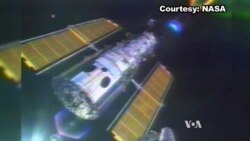
For almost a quarter of a century, it has sent vast amounts of data and images from space. A new exhibit at the Smithsonian National Air and Space Museum in Washington documents how Hubble’s remarkable success has hinged on its ability to be repaired and serviced in orbit.
Hubble was launched aboard the Space Shuttle Discovery in 1990. Mission Control saw something it hadn’t expected: fuzzy images. Hubble Space Telescope Program Manager Douglas Broome delivered the troubling news:
“The conclusion we’ve come to is that a significant spherical aberration appears to be present in the optics, in the optical telescope system optics,” he said.
In other words - the outer edge of Hubble's primary mirror had been ground too flat, off by roughly one-fiftieth the thickness of a human hair. In 1993, a shuttle mission carried a replacement camera, WFPC2 and an instrument with corrective lenses called COSTAR for astronauts to install on the telescope.
“The COSTAR inserted mirrors into the optical beam that corrected the light for all the other instruments,” said National Air and Space Museum senior curator David Devorkin.
The fix proved that very difficult and very complicated operations could be undertaken by shuttle astronauts.
“The whole idea of living and working in space is doing useful stuff and this certainly was useful," Devorkin said. "On the astronomical side and you might say on the technical side, it represents how fast telescopes are improving because Hubble was only repaired once, but it was upgraded four times.”
Hubble Highlights
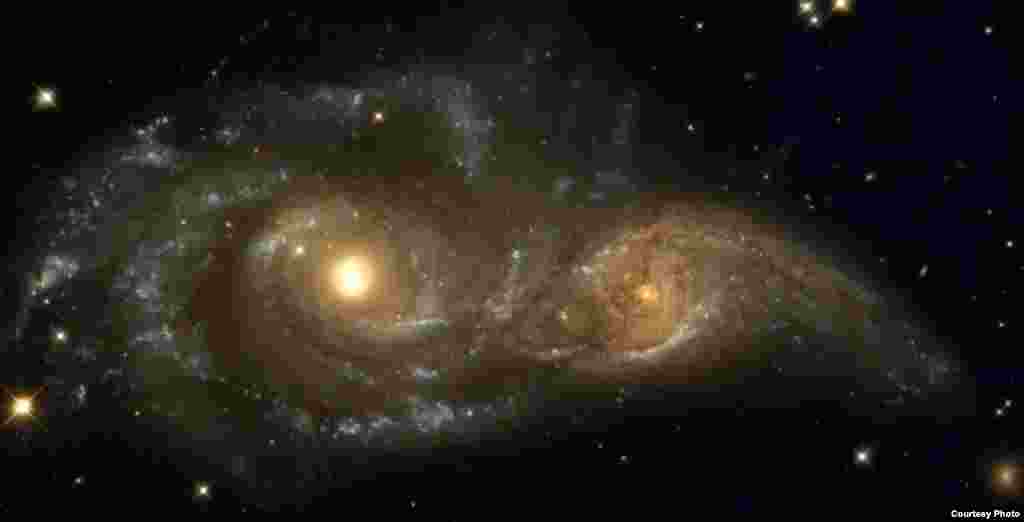
1/12The near collision of two spiral galaxies taken by NASA's Hubble Space Telescope and its Wide Field Planetary Camera 2 on Nov. 4, 1999. (NASA)
The Hubble Space Telescope has changed the way we see the universe. For a quarter of a century, it has sent vast amounts of data and images from space.
Show moreShow less
2/12Almost immediately after the Hubble Space Telescope was launched in 1990, Hubble scientists saw fuzzy images (left), which were corrected (right) with new instruments by shuttle astronauts three years later. (NASA)
The Hubble Space Telescope has changed the way we see the universe. For a quarter of a century, it has sent vast amounts of data and images from space.
Show moreShow less
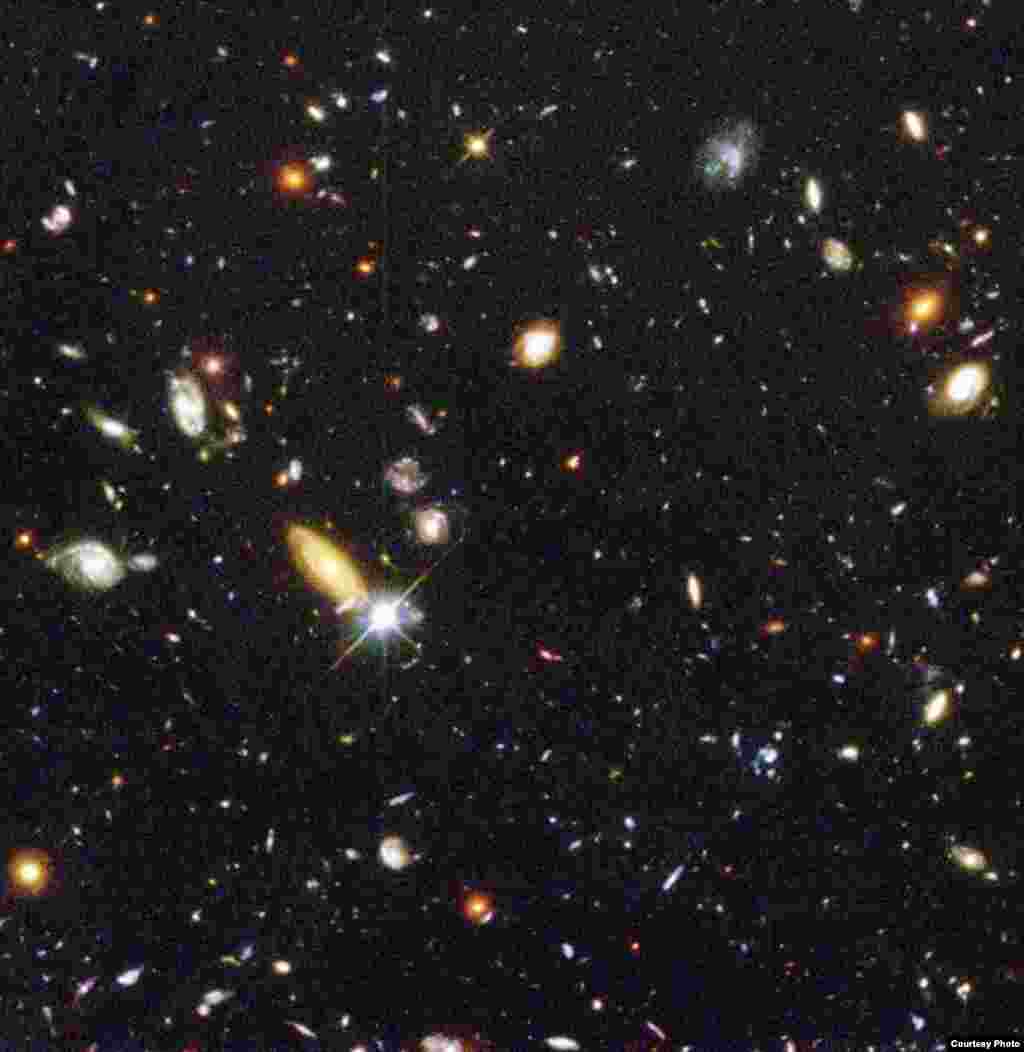
3/12Among its remarkable discoveries is a deeper understanding of the evolution of the universe and capturing images of galaxies that may have formed less than one billion years after the Big Bang, Jan. 15, 1996. (NASA)
The Hubble Space Telescope has changed the way we see the universe. For a quarter of a century, it has sent vast amounts of data and images from space.
Show moreShow less
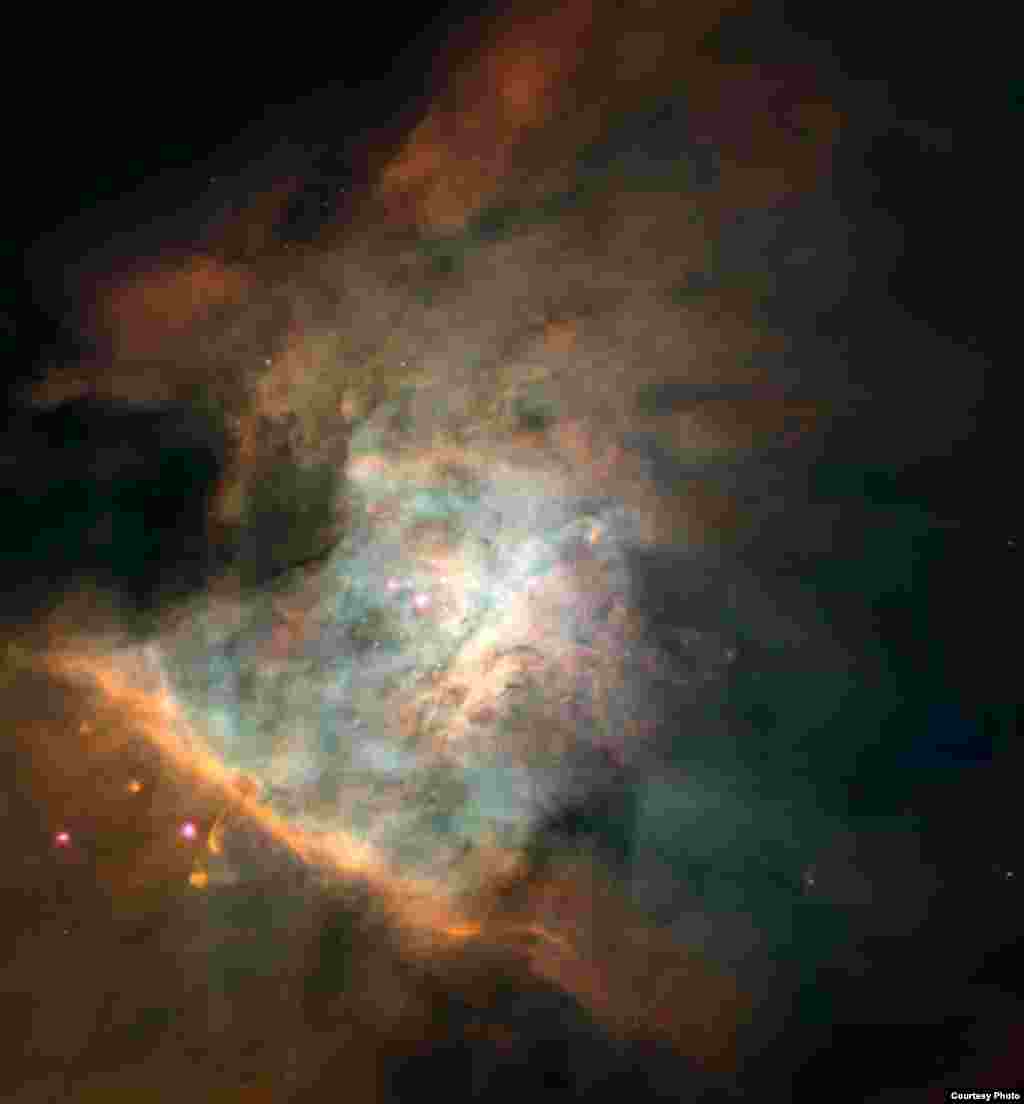
4/12This image surveys star birth in the Great Orion Nebula, which is located 6,500 light-years from Earth and is the remnant of a star that began its life with about 10 times the mass of our own Sun. (NASA)
The Hubble Space Telescope has changed the way we see the universe. For a quarter of a century, it has sent vast amounts of data and images from space.
Show moreShow less
5/12This image surveys star birth in the Great Orion Nebula, which is located 6,500 light-years from Earth and is the remnant of a star that began its life with about 10 times the mass of our own Sun. (NASA)
The Hubble Space Telescope has changed the way we see the universe. For a quarter of a century, it has sent vast amounts of data and images from space.
Show moreShow less
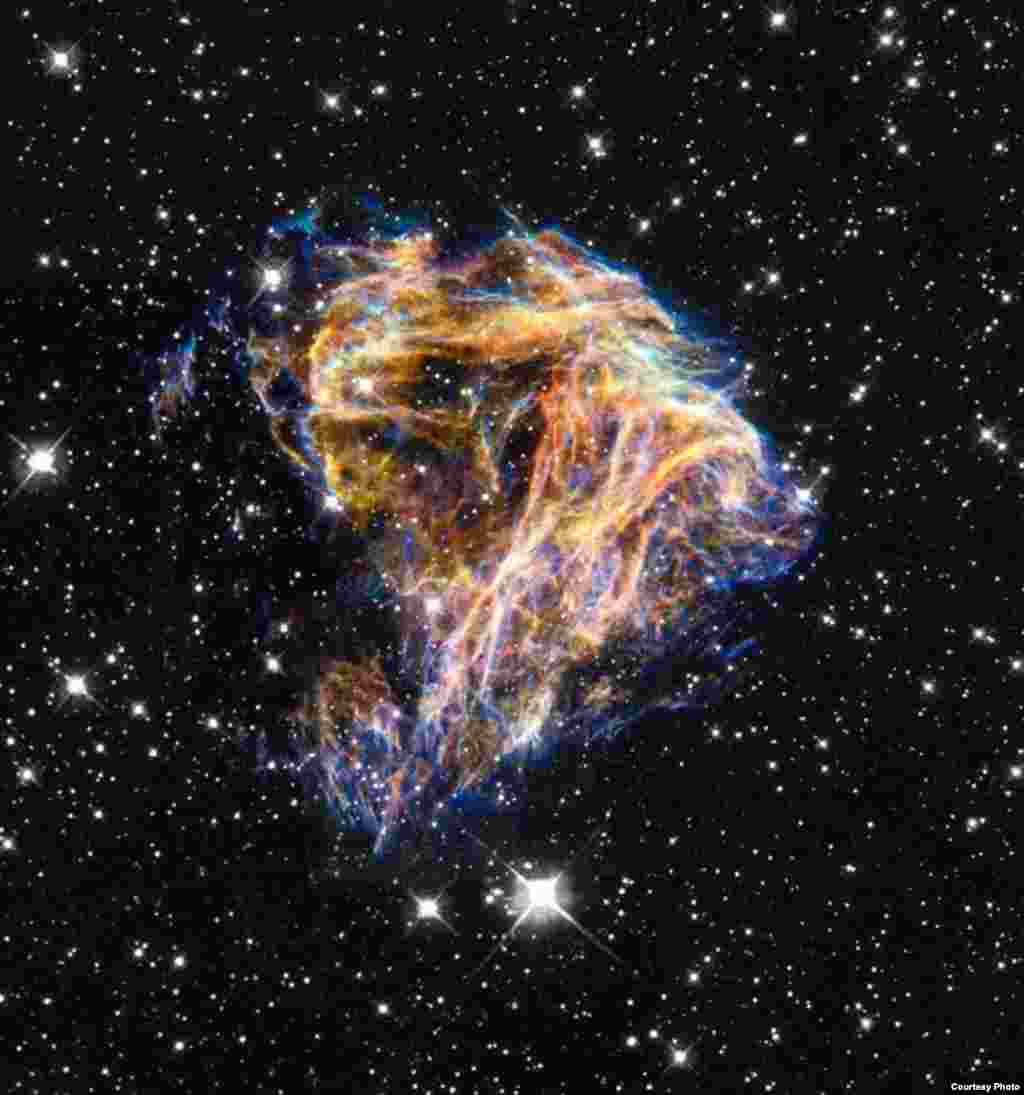
6/12These delicate filaments are actually sheets of debris from a stellar explosion. (NASA)
The Hubble Space Telescope has changed the way we see the universe. For a quarter of a century, it has sent vast amounts of data and images from space.
Show moreShow less
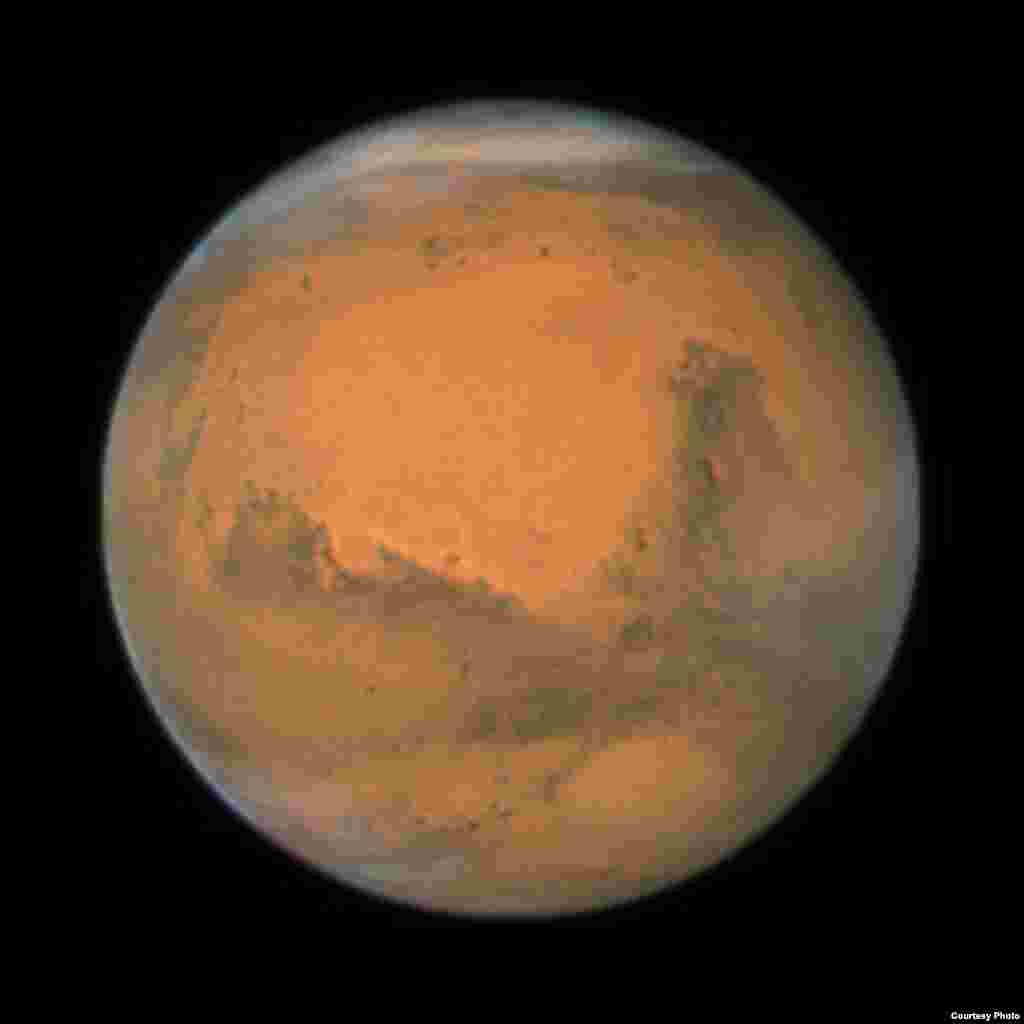
7/12The Hubble Space Telescope took this close-up of Mars when it was just 88 million kilometers away. This image was assembled from a series of exposures taken over 36 hours. (NASA)
The Hubble Space Telescope has changed the way we see the universe. For a quarter of a century, it has sent vast amounts of data and images from space.
Show moreShow less
8/12NASA's Hubble Space Telescope has trained its razor-sharp eye on one of the universe's most stately and photogenic galaxies, the Sombrero galaxy. (NASA)
The Hubble Space Telescope has changed the way we see the universe. For a quarter of a century, it has sent vast amounts of data and images from space.
Show moreShow less
9/12The two spiral galaxies started to interact a few hundred million years ago, making the Antennae galaxies one of the nearest and youngest examples of a pair of colliding galaxies. (NASA)
The Hubble Space Telescope has changed the way we see the universe. For a quarter of a century, it has sent vast amounts of data and images from space.
Show moreShow less
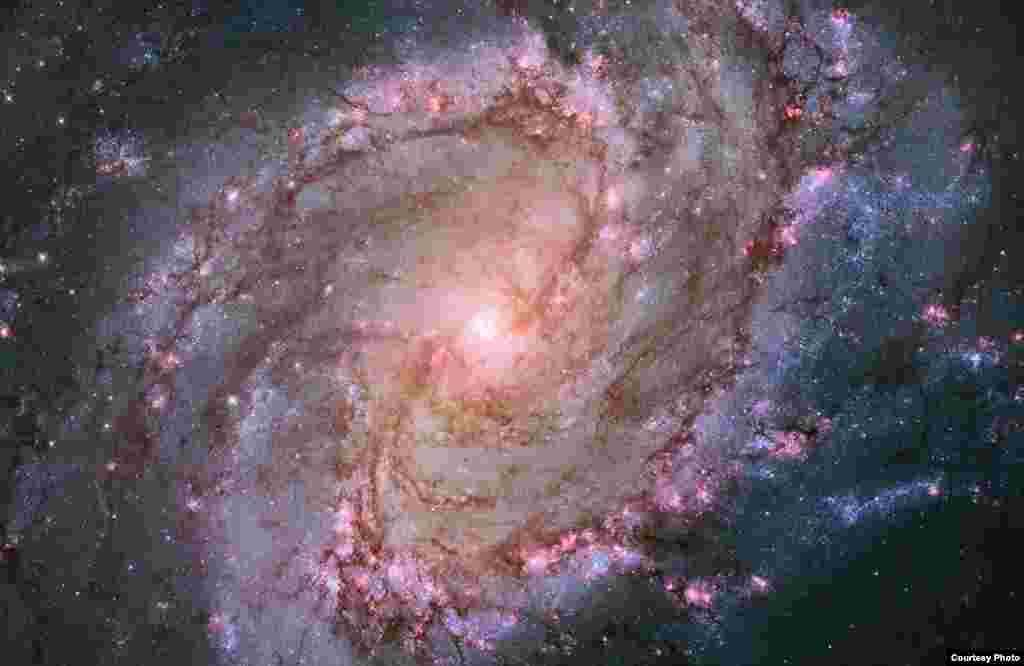
10/12Vibrant magentas and blues reveal a galaxy ablaze with star formation. The galaxy, also known as the Southern Pinwheel, lies 15 million light-years away in the constellation Hydra. (NASA)
The Hubble Space Telescope has changed the way we see the universe. For a quarter of a century, it has sent vast amounts of data and images from space.
Show moreShow less
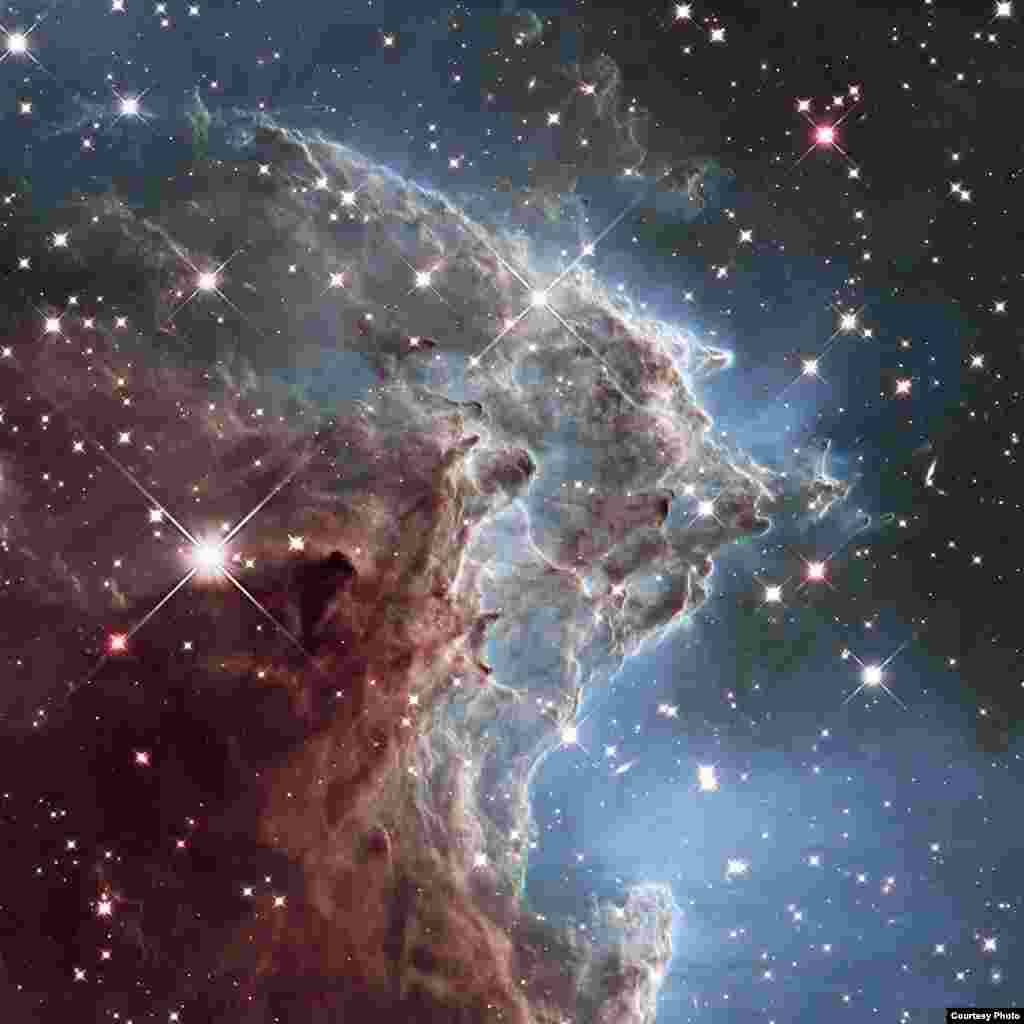
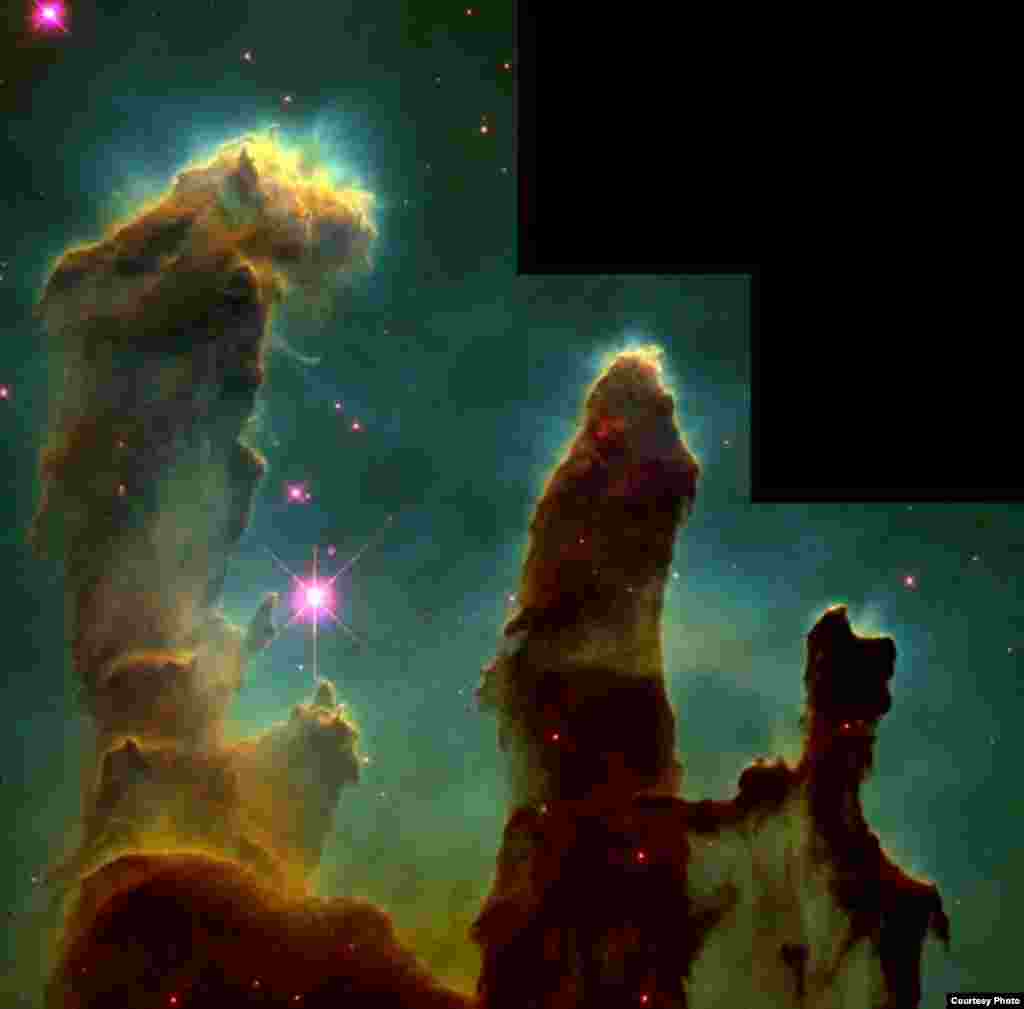
11/12These eerie, dark pillar-like structures are actually columns of cool interstellar hydrogen gas and dust that are also incubators for new stars. (NASA)
The Hubble Space Telescope has changed the way we see the universe. For a quarter of a century, it has sent vast amounts of data and images from space.
Show moreShow less
12/12ውዕውዕ ኣቀባብላ ንኣባላት ሃገራዊት ጋንታ ቅድድም ብሽክለታ ኤርትራ
The Hubble Space Telescope has changed the way we see the universe. For a quarter of a century, it has sent vast amounts of data and images from space.
Show moreShow less
Previous slide
Next slide
COSTAR and WFPC2 were replaced in 2009 and are now on exhibit in the museum.
Hubble images have become better and sharper over time, and its data has allowed astronomers to confirm that the universe is expanding and calculate its age to some 13 to 14 billion years.
And the powerful space telescope has led to other important breakthroughs.
"… understanding star forming regions, how stars form out of gas and dust, and now the ability of the Hubble to see deeply into the infrared, far deeper than before has shown us the processes inside these interstellar clouds that literally are forming the stars and their interaction with the dust and gas around them,” Devorkin said.
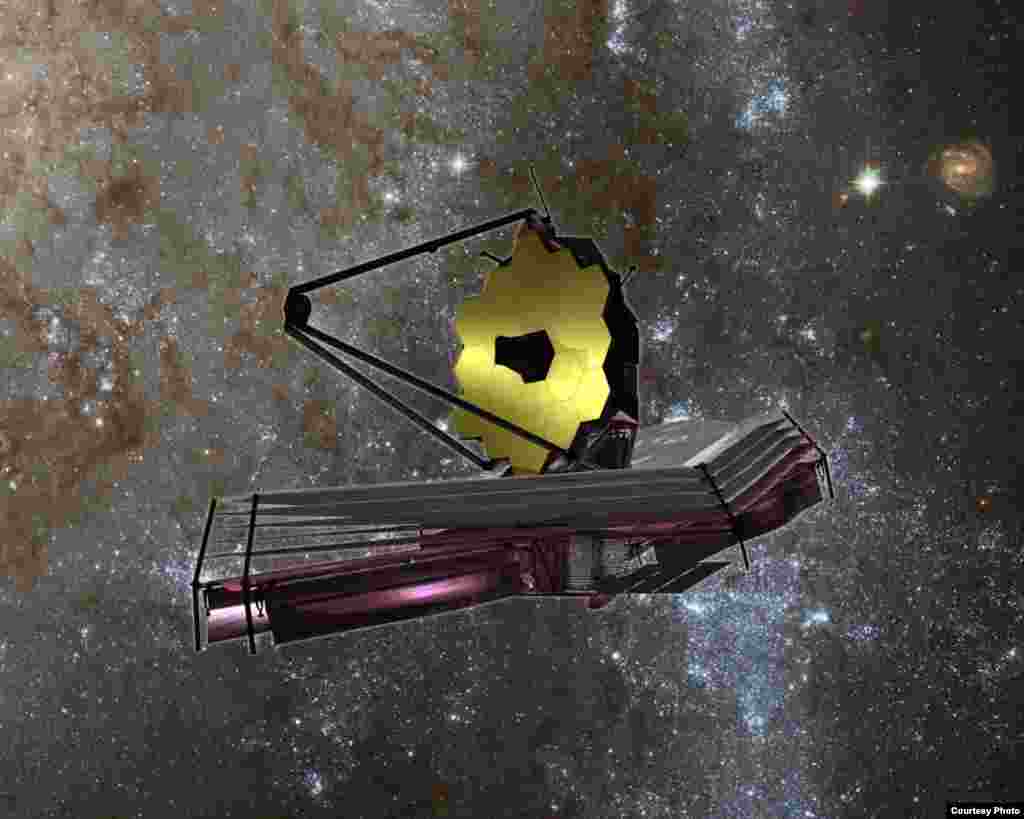
As Hubble nears the end of its journey in space, the telescope has paved the way for its replacement. The James Webb Space Telescope - with an expected launch date in 2018 - will probe even farther beyond the spectrum of light with a primary mirror five times larger than Hubble.
“The James Webb is optimized for infrared because all of the most amazing discoveries about galaxy formation, star formation and the kind of stuff that astronomers want to know is in the infrared,” Devorkin said.
No more service missions are scheduled for repairs or upgrades. Hubble's components will slowly degrade to the point the telescope stops working. When that happens, the telescope will continue to orbit the Earth until its orbit decays, allowing it to spiral toward Earth. A robotic mission is expected to help de-orbit Hubble, guiding its remains through a plunge through the atmosphere and into the ocean, as its stellar career comes to an end.
But for now, as Hubble nears its 25th birthday next year, the telescope is still going strong.
Astronomers hope it will last long enough for the James Webb Space Telescope to launch so that the two can be in space at same time and calibrate with one another.
Until its space journey comes to an end, Hubble remains a workhorse for astronomers and continues to delight the public with dazzling images.