




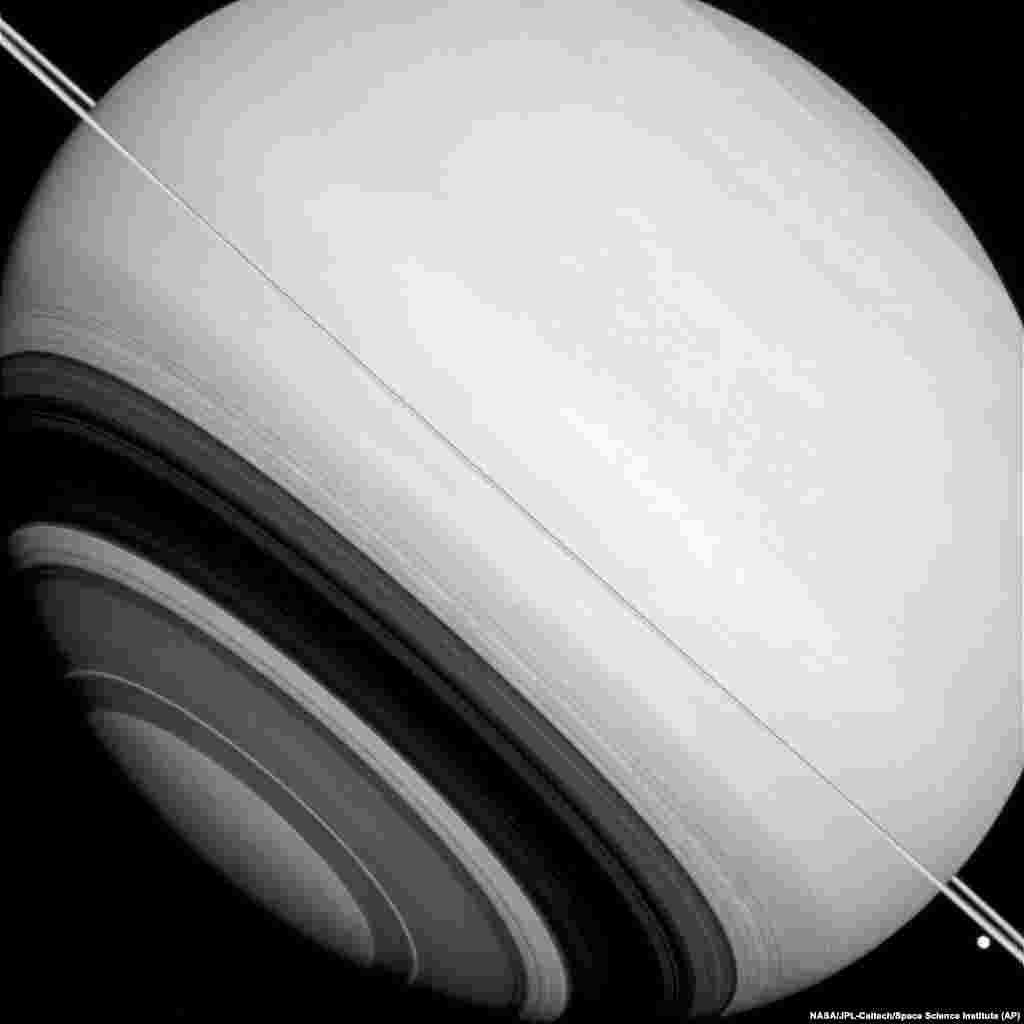
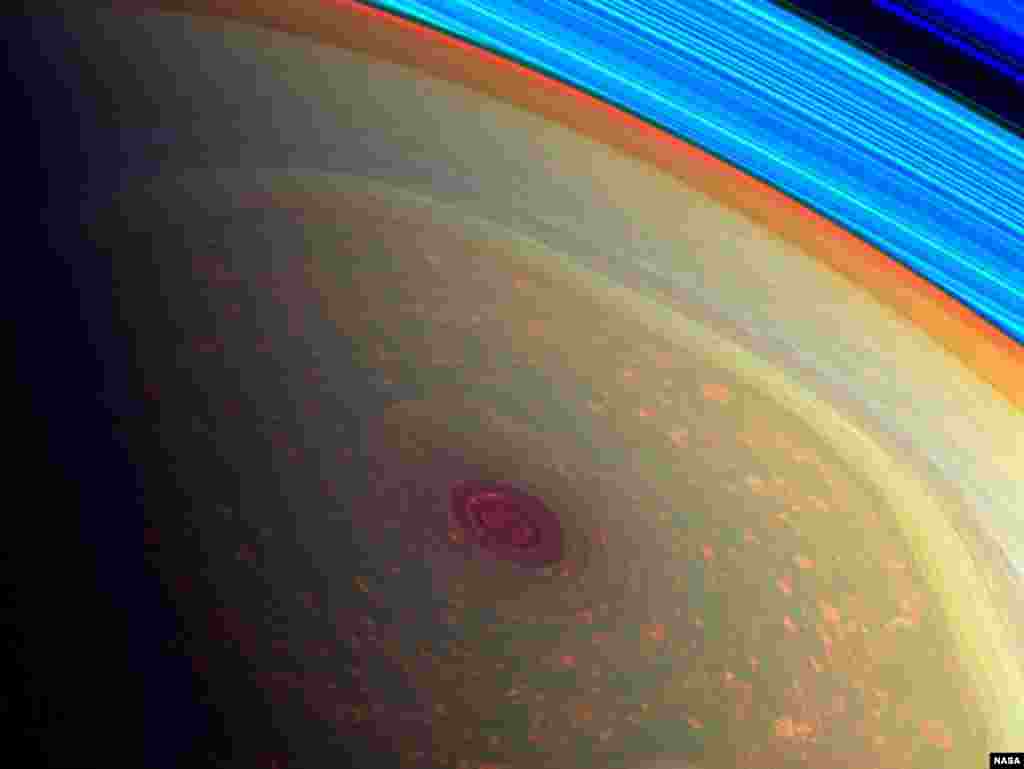
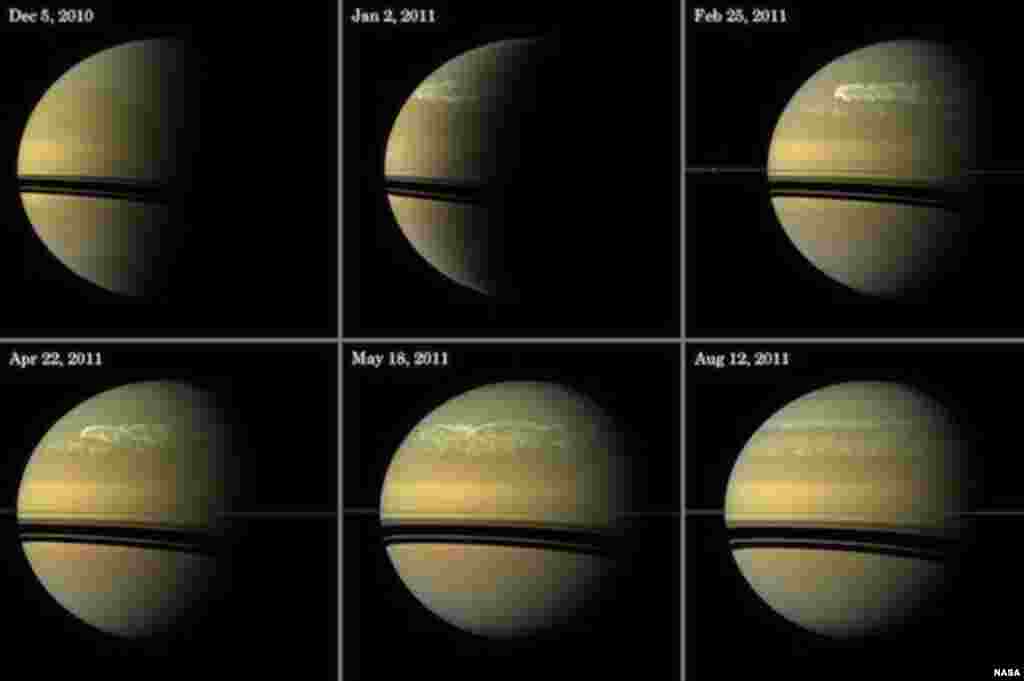
After a 20-year mission, including two extensions, the spacecraft Cassini is preparing to make a final death dive into the planet Saturn on Friday.
Scientists and engineers at NASA’s Jet Propulsion Laboratory said their decision to end the life of the spacecraft in this way is because of what they found during the mission, the ingredients for life on some of Saturn’s moons.
“At the time of its design, we had no idea that ocean worlds existed in the outer solar system,” said Morgan Cable, Cassini’s Assistant Project Science Systems Engineer of the Cassini.
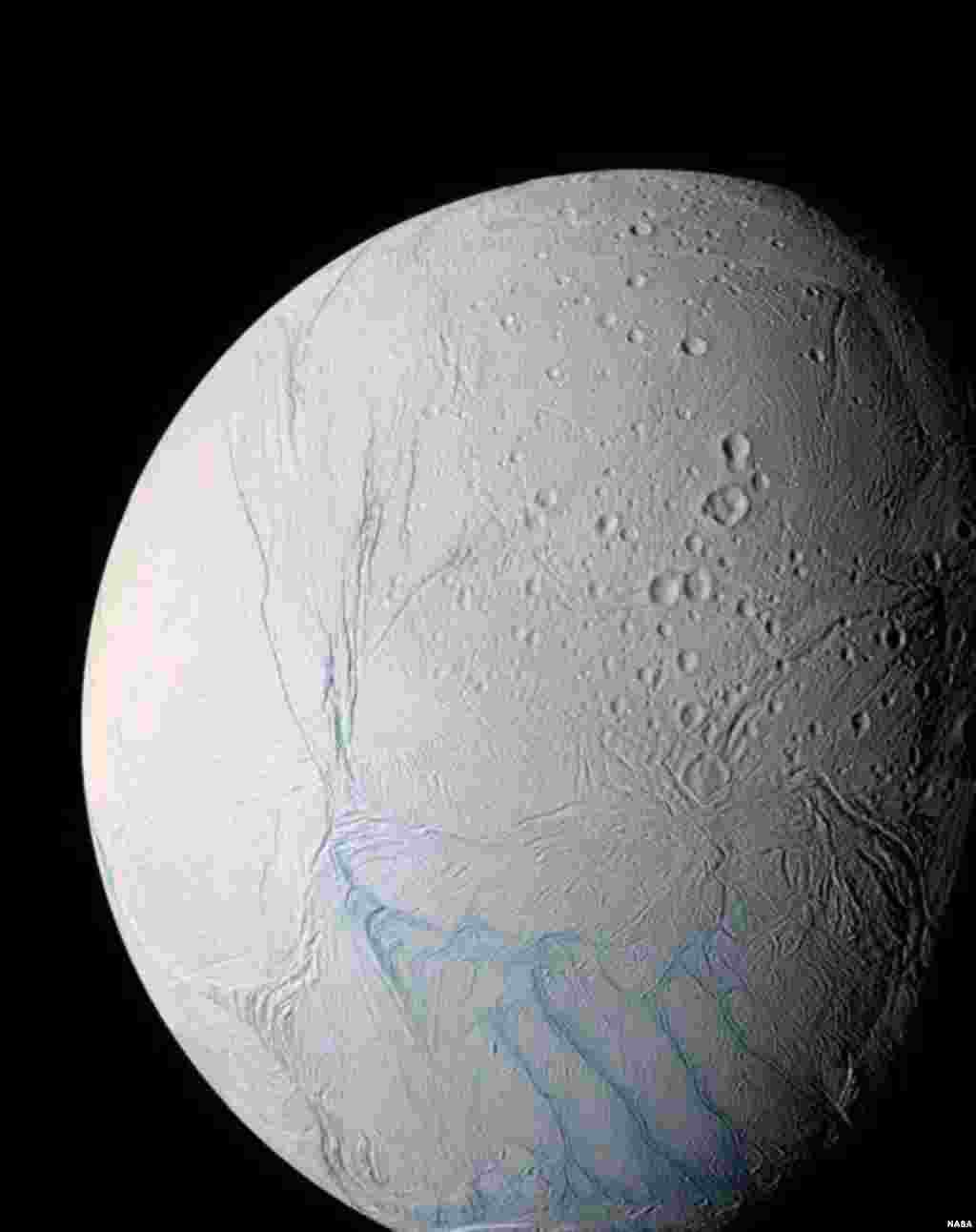
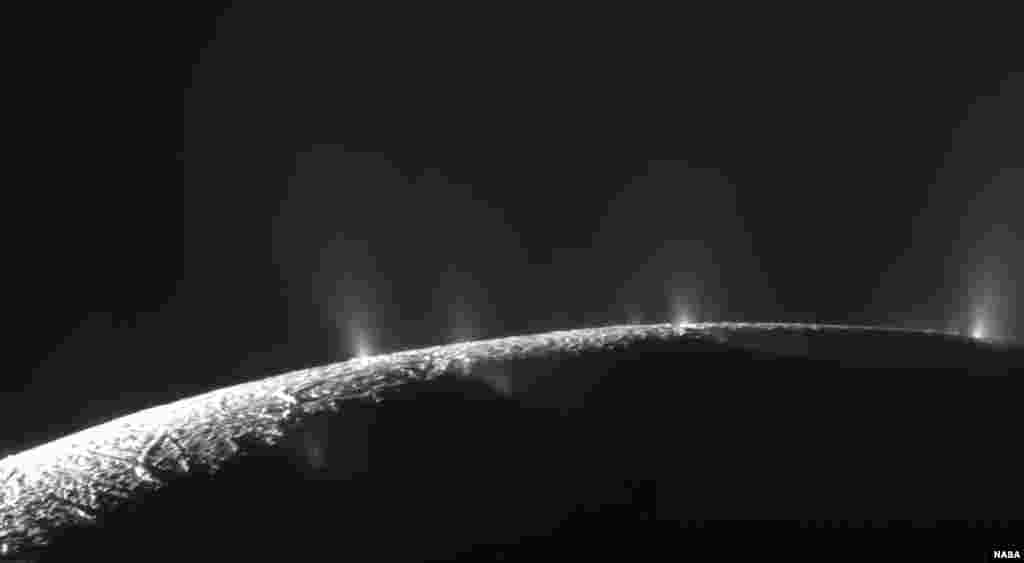
The discovery of ocean worlds on some of Saturn’s moons could mean life. One unexpected discovery came from the south pole of Enceladus, a moon embedded in one of Saturn’s rings.
“It has a liquid water ocean underneath and it shoots geysers and these cracks open up and these geysers shoot up,” Molly Bittner, Cassini spacecraft operations systems engineer, said.
Instruments on Cassini have been able to taste the grains and gas coming from that geyser plume.
“We know that there are salts. Now this is important for life because life needs certain minerals and salts to exist. We have very strong evidence that there are hydro-thermal vents down at that base of that ocean, the ocean flood. Now any time you find hydro-thermal vents here on Earth, you find rich communities of organisms,” Cable said.
Photo Gallery: Cassini's Amazing Photos of Saturn, Rings and Moons
Cassini's Amazing Photos of Saturn, Rings & Moons


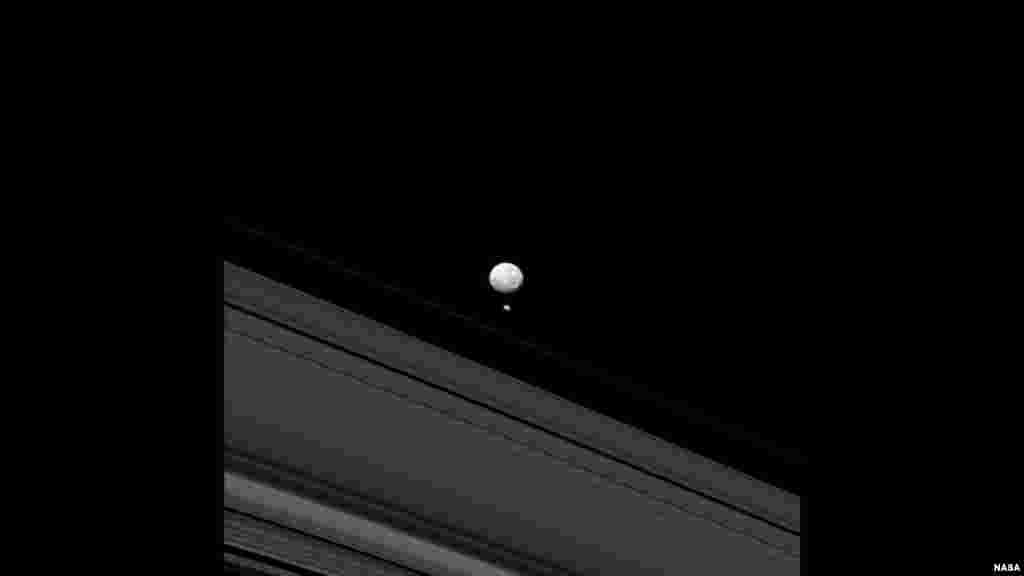
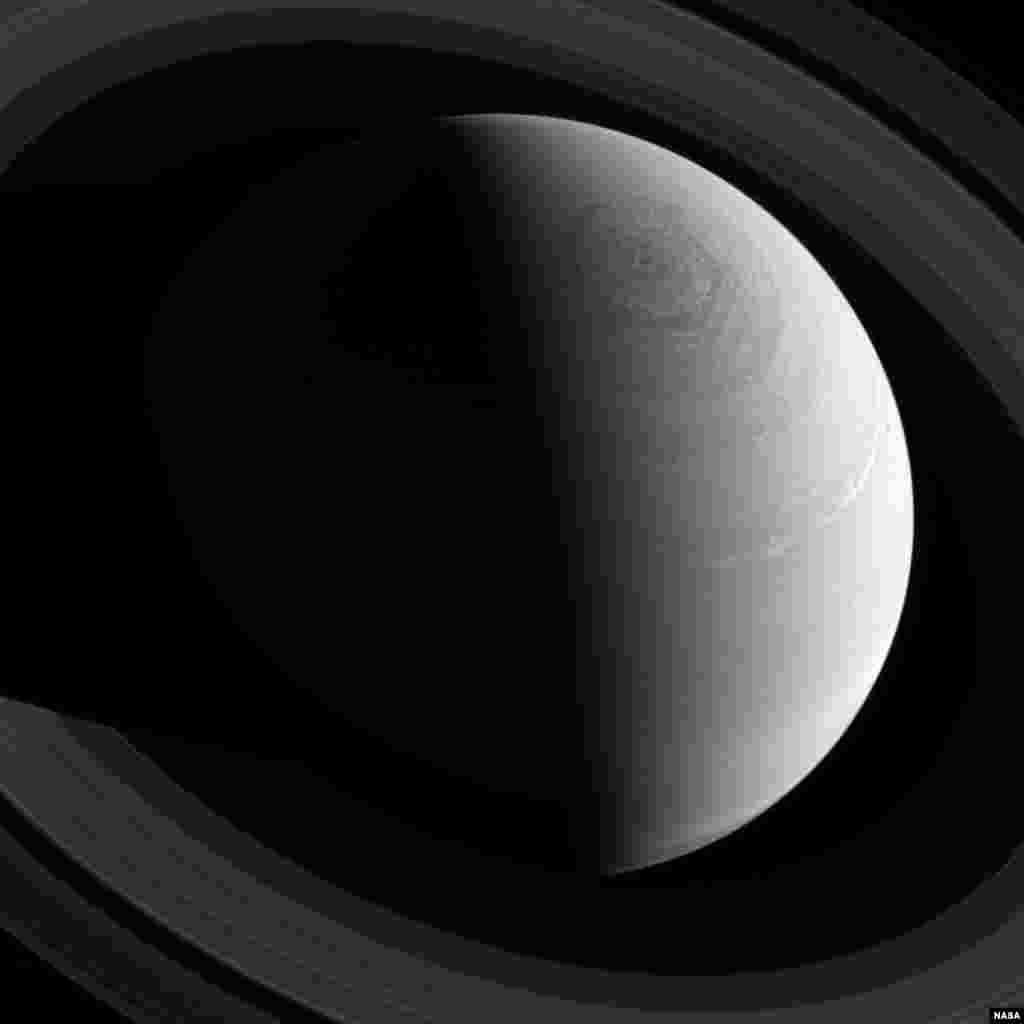
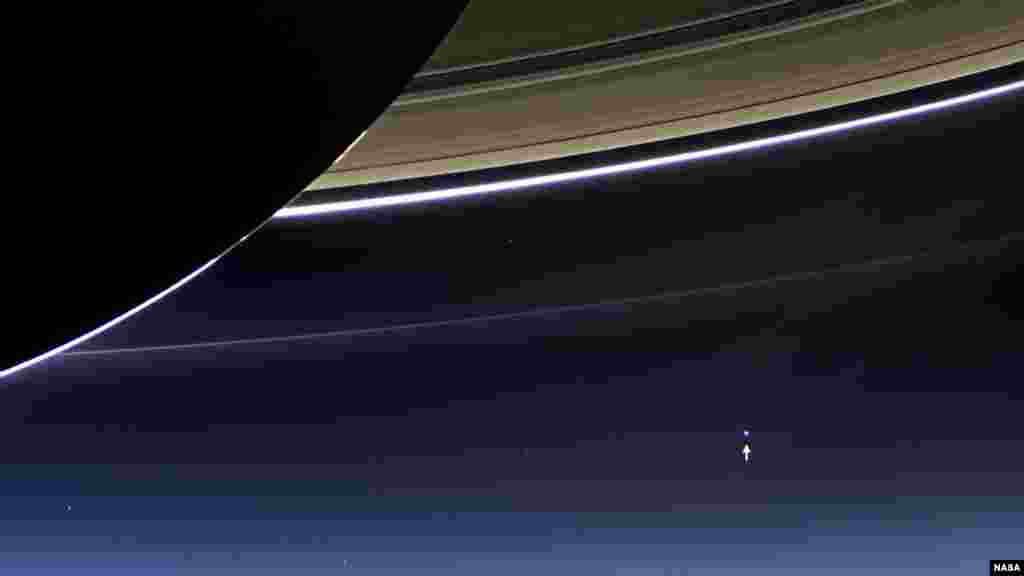
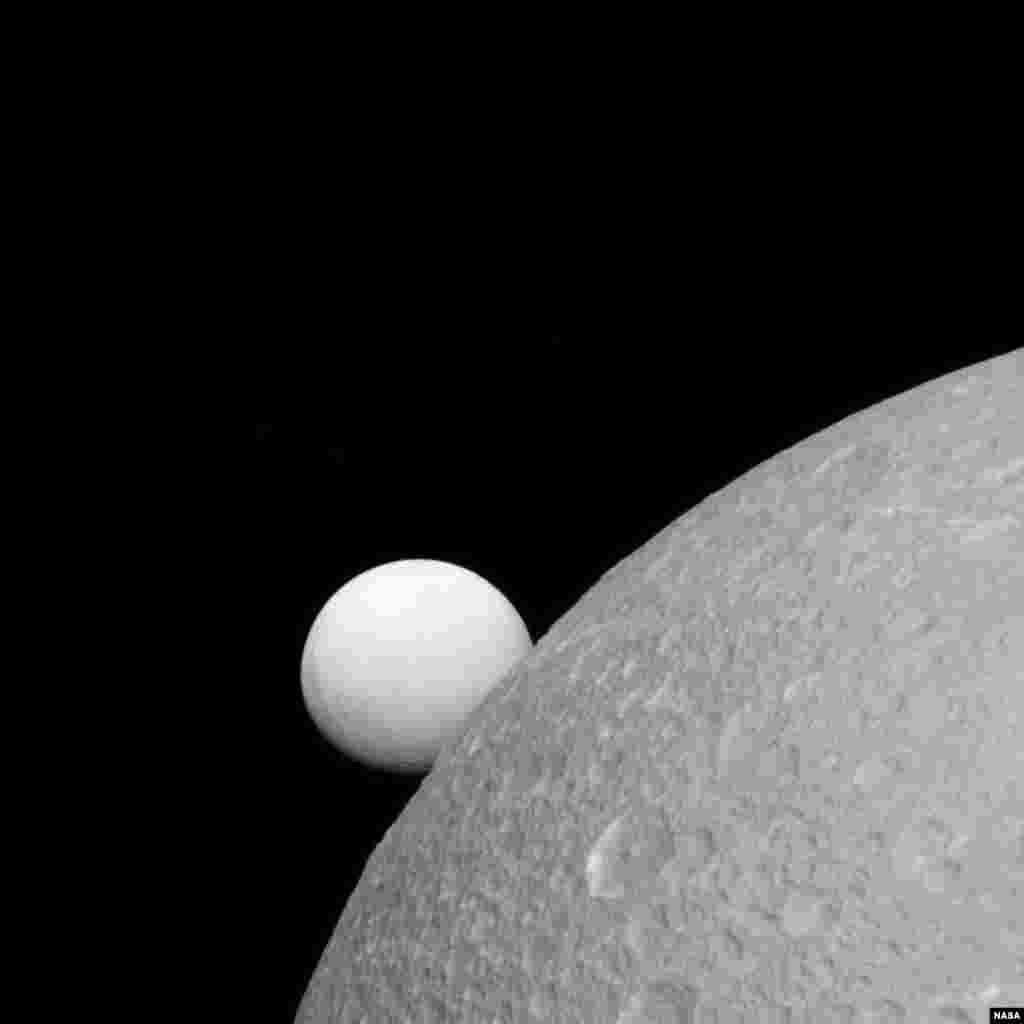
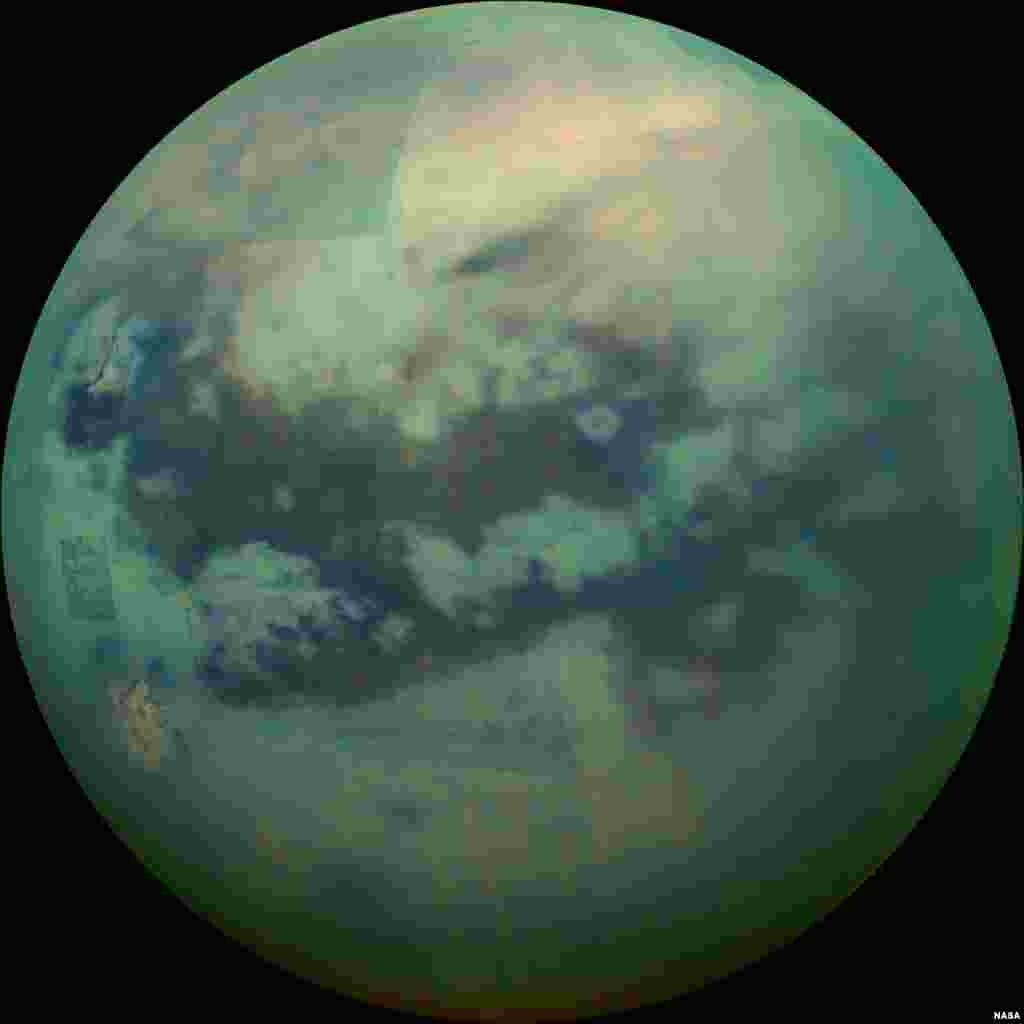
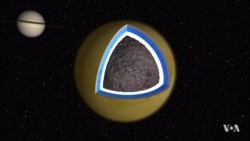
Cassini was also able to gather data from the Saturn’s largest moon, Titan, which has lakes and seas of liquid methane and ethane instead of water. There is also evidence of a liquid ocean beneath the surface that probably contains ammonia and water. Scientists and engineers say the environment could still hold life.
“We’re still open to trying to look for weird life in places like this and we found a strange place right here in our solar system,” Cable said.
These discoveries helped Cassini’s scientists and engineers decide what to do with it once it runs out of fuel. They do not want any earthly organisms that may be on Cassini to contaminate a moon that may have life.
“I want to find life elsewhere in a place like Enceladus but I don’t want to realize later on that we put it there,” Cable said.
Scientists and engineers are already envisioning future missions back to Saturn and its moons such as Enceladus, to look deeper into the possibility of life.
“We really need to understand what’s in that plume, and if there is evidence of life, and I think with today’s instrumentation, things that we could put on a spacecraft right now, we could find that life with our instruments of today,” said Cable.
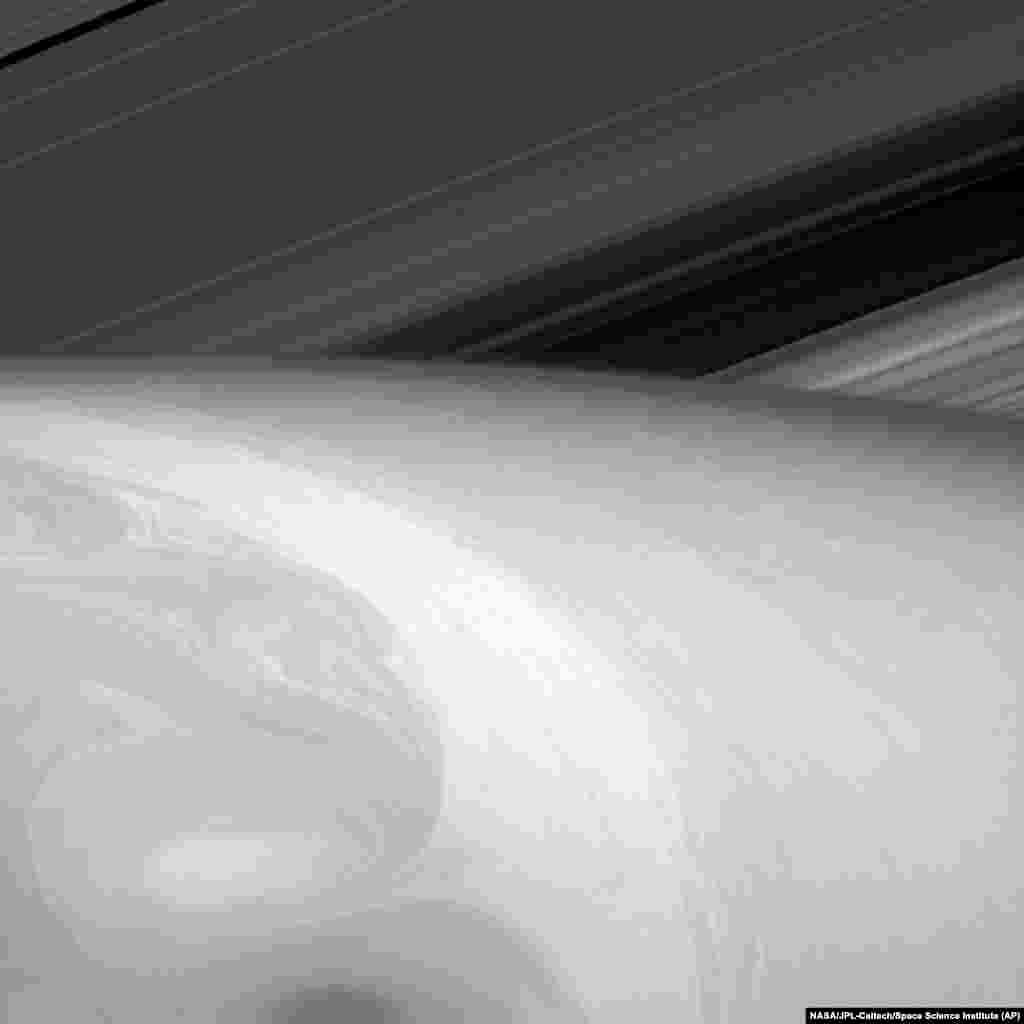
The end of Cassini looks like a death dive into Saturn’s atmosphere, sending critical data to Earth until the very end. It’s information that will be studied and analyzed by scientists long after the end of Cassini.