



Accessibility links

Breaking News

Cartwheeling Spider, Colorful Sea Slug Among Top New Species

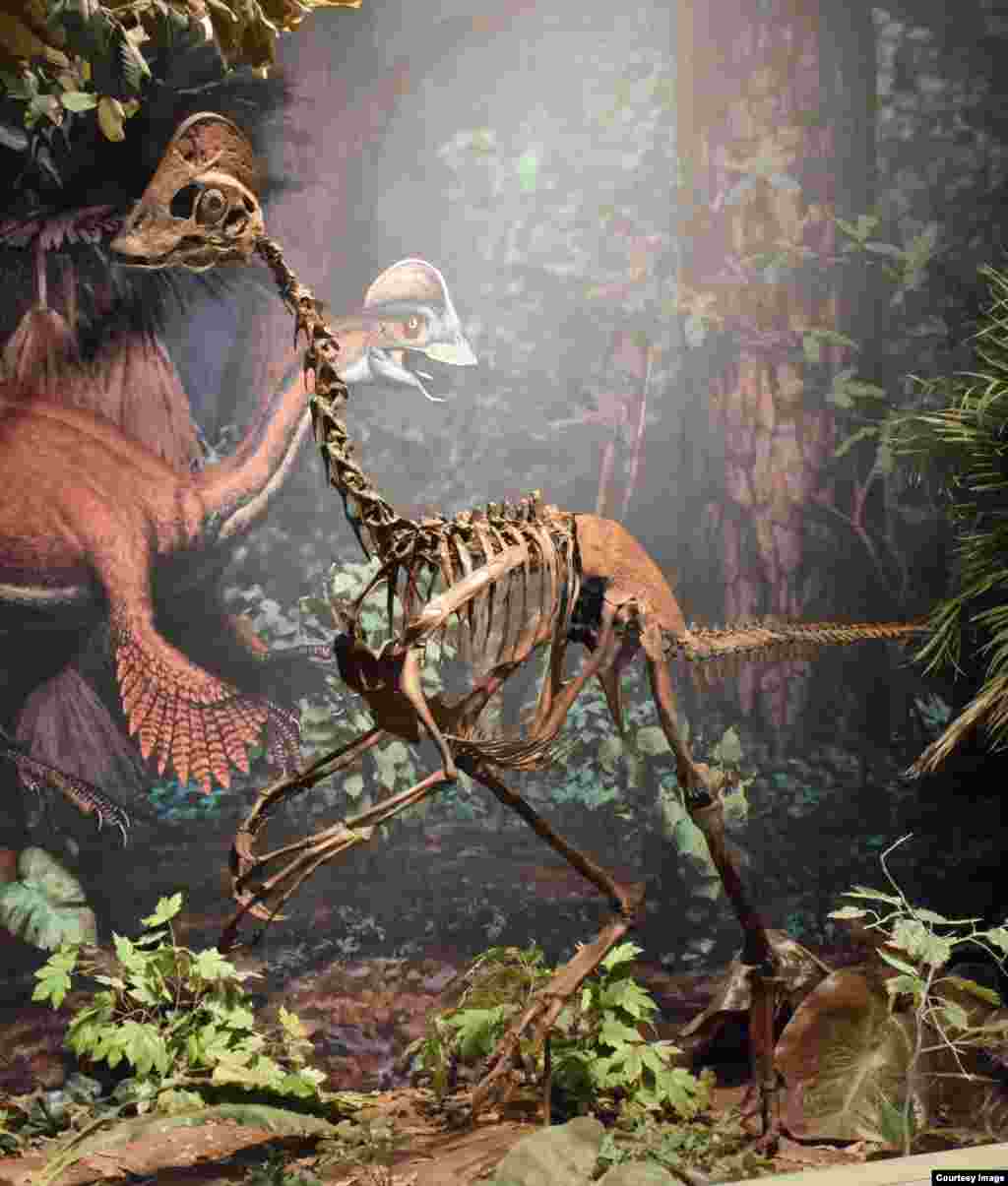
This new dinosaur, dubbed the &ldquo;chicken from Hell,&rdquo; was a contemporary of the more famous <em>T. rex</em>. Three well-preserved partial <em>Anzu wyliei</em> skeletons were discovered in North and South Dakota, in the Hell Creek Formation. The bird-like dinosaur stood 1.5 meters high, was 3.5 meters from beak to tail, and weighed as much as 300 kilos. (Carnegie Museum of Natural History)
1/11 This new dinosaur, dubbed the “chicken from Hell,” was a contemporary of the more famous T. rex. Three well-preserved partial Anzu wyliei skeletons were discovered in North and South Dakota, in the Hell Creek Formation. The bird-like dinosaur stood 1.5 meters high, was 3.5 meters from beak to tail, and weighed as much as 300 kilos. (Carnegie Museum of Natural History)
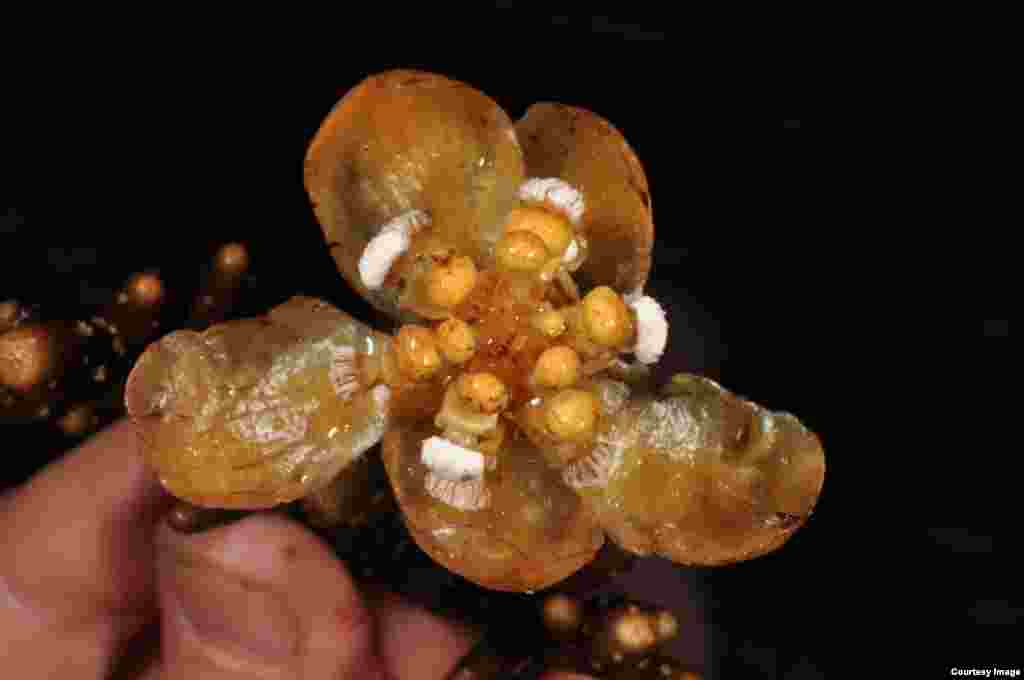
These peculiar tubers of the <em>Balanophora coralliformis</em> give this root parasite from the Philippines a coral-like appearance. The plant, which draws its nutrition from other living plants, is found only on the southwestern slopes of Mt. Mingan. (P.B. Pelser &amp; J.F. Barcelona)
2/11 These peculiar tubers of the Balanophora coralliformis give this root parasite from the Philippines a coral-like appearance. The plant, which draws its nutrition from other living plants, is found only on the southwestern slopes of Mt. Mingan. (P.B. Pelser & J.F. Barcelona)
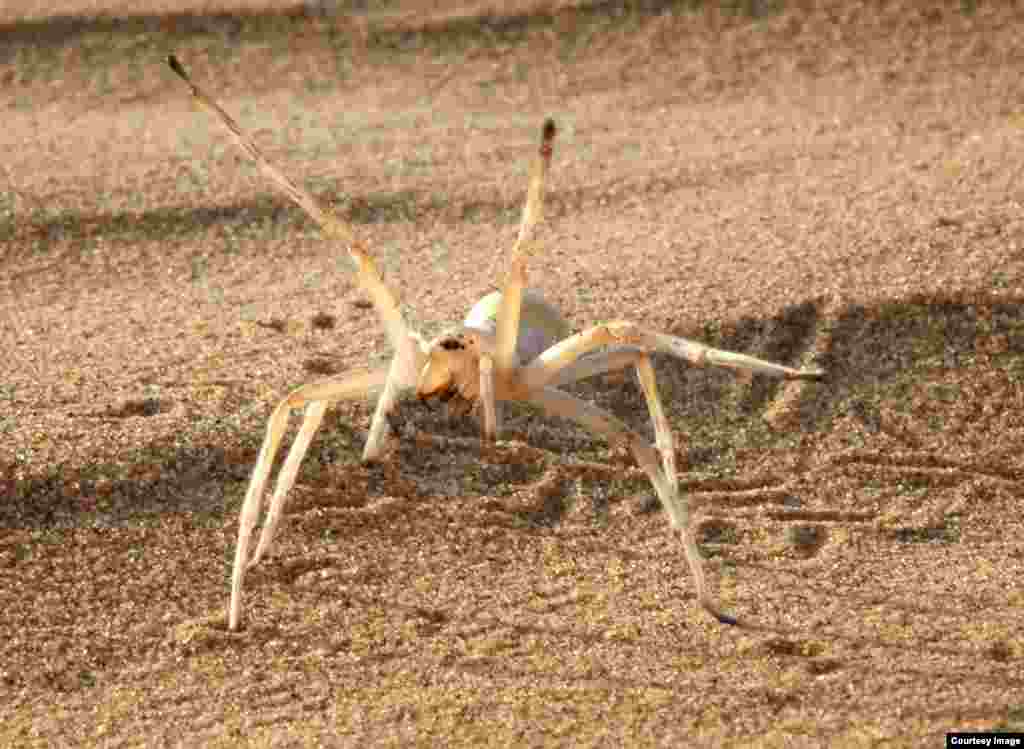
The agile <em>Cebrennus rechenbergi</em> uses its gymnastic talents in the Moroccan desert to cartwheel out of danger. The spider&rsquo;s behavior inspired a robot that can walk or roll in a similar way. (Ingo Rechenbert, Technical University Berlin)
3/11 The agile Cebrennus rechenbergi uses its gymnastic talents in the Moroccan desert to cartwheel out of danger. The spider’s behavior inspired a robot that can walk or roll in a similar way. (Ingo Rechenbert, Technical University Berlin)
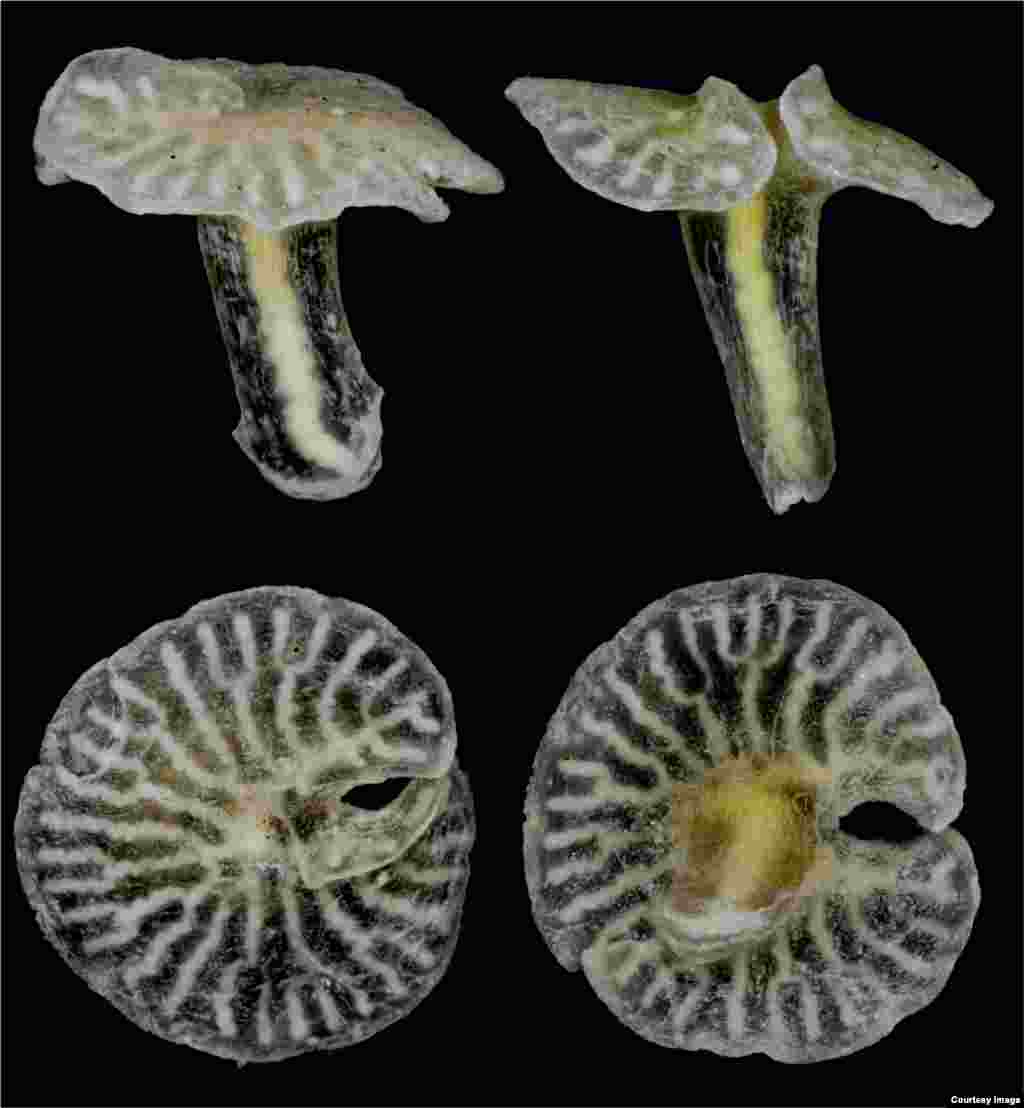
These multicellular animals, <em>Dendrogramma enigmatica</em> and <em>D. discoides</em>, are found on the sea bottom off Australia&rsquo;s southeast coast. They resemble fossils from Precambrian time, the beginning of life on the planet. (Jorgen Olsen)
4/11 These multicellular animals, Dendrogramma enigmatica and D. discoides, are found on the sea bottom off Australia’s southeast coast. They resemble fossils from Precambrian time, the beginning of life on the planet. (Jorgen Olsen)
This Chinese wasp <em>Deuteragenia ossarium </em>builds her nest in hollow stems. She deposits dead spiders into separate cells to provide nourishment for her developing young, and puts dead ants at the entrance to the nest, creating a chemical barrier to protect them. (Michael Staab)
5/11 This Chinese wasp Deuteragenia ossarium builds her nest in hollow stems. She deposits dead spiders into separate cells to provide nourishment for her developing young, and puts dead ants at the entrance to the nest, creating a chemical barrier to protect them. (Michael Staab)
Unlike other frogs, this new species (male left, female right) from Indonesia&rsquo;s Sulawesi Island does not lay fertilized eggs nor give birth to tiny froglets. <em>Limnonectes lavaepartus</em> has internal fertilization and gives birth to tadpoles that are deposited in pools of water. (Jimmy A. McGuire)
6/11 Unlike other frogs, this new species (male left, female right) from Indonesia’s Sulawesi Island does not lay fertilized eggs nor give birth to tiny froglets. Limnonectes lavaepartus has internal fertilization and gives birth to tadpoles that are deposited in pools of water. (Jimmy A. McGuire)
While the giant walking stick <em>Phryganistria tamdaoensis</em> is common in Tam Dao, Vietnam, the 23-centimeter long insect somehow escaped entomologists&rsquo; notice until now. (Jonathan Brecko)
7/11 While the giant walking stick Phryganistria tamdaoensis is common in Tam Dao, Vietnam, the 23-centimeter long insect somehow escaped entomologists’ notice until now. (Jonathan Brecko)
Residing in the Japanese islands, the sea slug <em>Phyllodesmium acanthorhinum</em> is the missing link between sea slugs that feed on colonies of tiny stinging jellies and those specializing in corals. (Robert Bolland)
8/11 Residing in the Japanese islands, the sea slug Phyllodesmium acanthorhinum is the missing link between sea slugs that feed on colonies of tiny stinging jellies and those specializing in corals. (Robert Bolland)
During Christmas celebrations in Mexico, this newly identified bromeliad, <em>Tillandsia religiosa</em>, is woven into colorful church displays. They flower from December to March. (A. Espejo)
9/11 During Christmas celebrations in Mexico, this newly identified bromeliad, Tillandsia religiosa, is woven into colorful church displays. They flower from December to March. (A. Espejo)
The male pufferfish, <em>Torquigener albomaculosus</em>, swims and wiggles in the seafloor sand to create an intricate nest, used only once to attract females. (Yoji Okata)
10/11 The male pufferfish, Torquigener albomaculosus, swims and wiggles in the seafloor sand to create an intricate nest, used only once to attract females. (Yoji Okata)
The ridges and grooves of the <em>T. albomaculosus</em> circle serve to minimize ocean current at the center of the nest to protect the eggs from turbulent waters and predators. (Yoji Okata)
11/11 The ridges and grooves of the T. albomaculosus circle serve to minimize ocean current at the center of the nest to protect the eggs from turbulent waters and predators. (Yoji Okata)
Previous slide
Next slide

The Top 10 Species list is compiled annually by the International Institute for Species Exploration, or IISE. It calls attention to discoveries that are made even as species are going extinct faster than they are identified.

From among the 18,000 new species named last year, a committee of taxonomists chose the ones that made the 2015 list. They include a bird-like dinosaur, dubbed the “chicken from Hell,” that was 3.5 meters from beak to tail and weighed as much as 300 kilograms; a spider that lives in the Moroccan desert and can use its gymnastic talents to cartwheel out of danger; a 23-centimeter-long walking stick common in Vietnam; and a colorful sea slug from the Japanese islands that is the missing link between slugs that feed on colonies of tiny stinging jellies and those specializing on corals.

Scientists believe 10 million species still await discovery, five times the number that are already known to science.

IISE founding director Quentin Wheeler said the Top 10 Species list " is a reminder of the wonders awaiting us.”

  • 16x9 Image

    VOA News

    The Voice of America provides news and information in more than 40 languages to an estimated weekly audience of over 326 million people. Stories with the VOA News byline are the work of multiple VOA journalists and may contain information from wire service reports.

XS
SM
MD
LG