


California Wildfire One of Worst in State's History
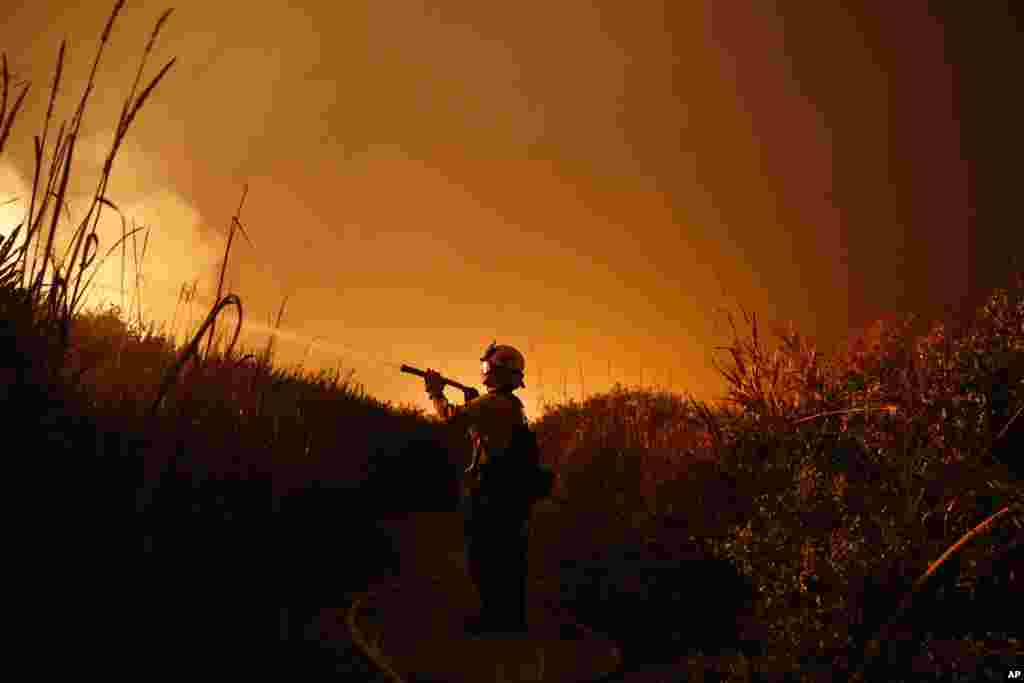
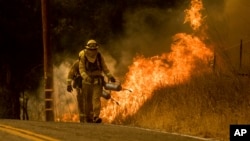
Firefighters light a backfire while trying to keep a wildfire from jumping Santa Ana Road near Ventura, California, Dec. 9, 2017.
Fire officials in the western U.S. state of California are focusing efforts on battling a wildfire northwest of Los Angeles that is already one of the largest and most destructive in the state's history.
The Thomas Fire has burned 930 square kilometers and destroyed 800 buildings in Santa Barbara County since it started a week ago. Authorities say the blaze is only 10 percent contained, and while firefighters have had some success attacking it from the air, it remains a dangerous fire that can be spread quickly by strong winds.
California's Battle Against Wildfires Continues
1/16Firefighters battle the Lilac fire in Bonsall, California, Dec. 8, 2017.
2/16A photo taken from the International Space Station and moved on social media by astronaut Randy Bresnik shows smoke rising from wildfire burning in Southern California, Dec. 6, 2017.
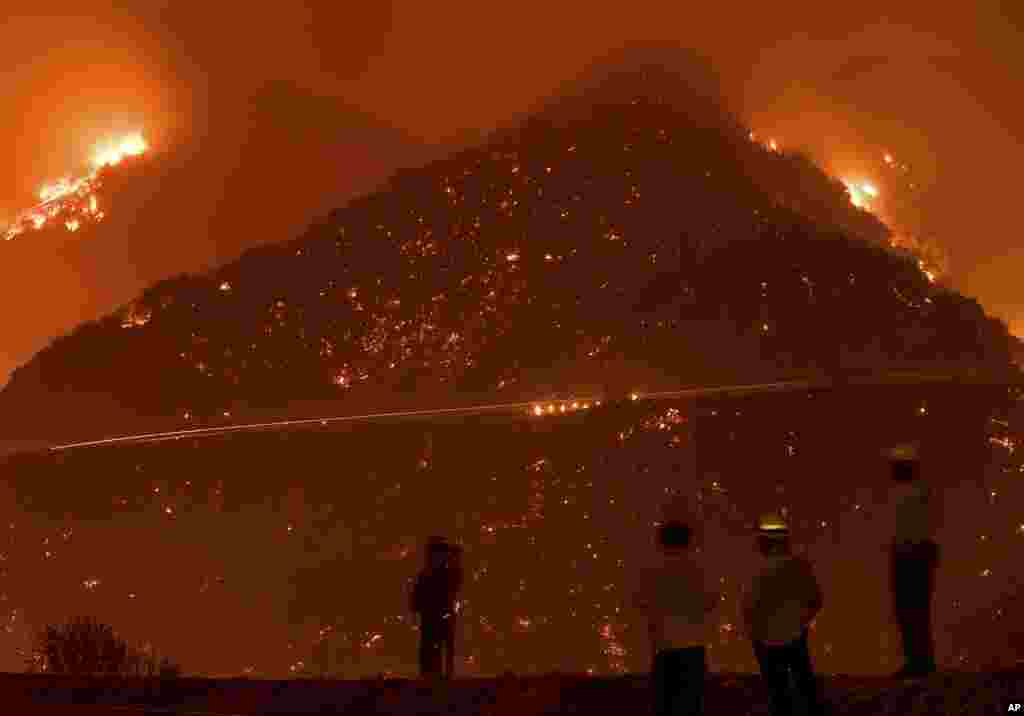
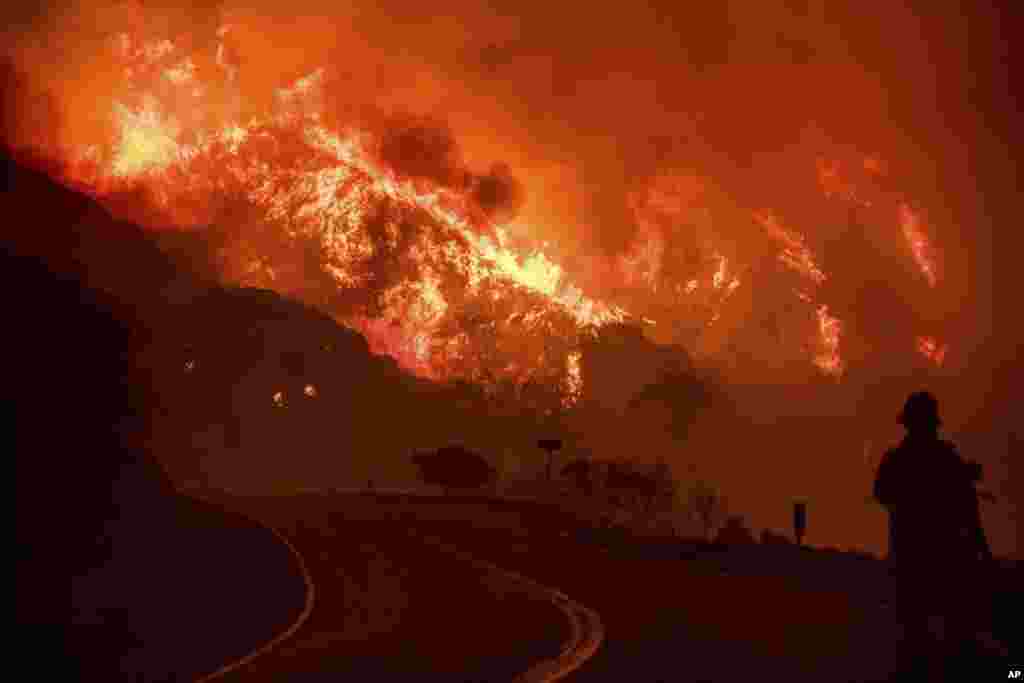
3/16Firefighters monitor the Thomas fire as it burns through Los Padres National Forest near Ojai, California, Dec. 8, 2017.
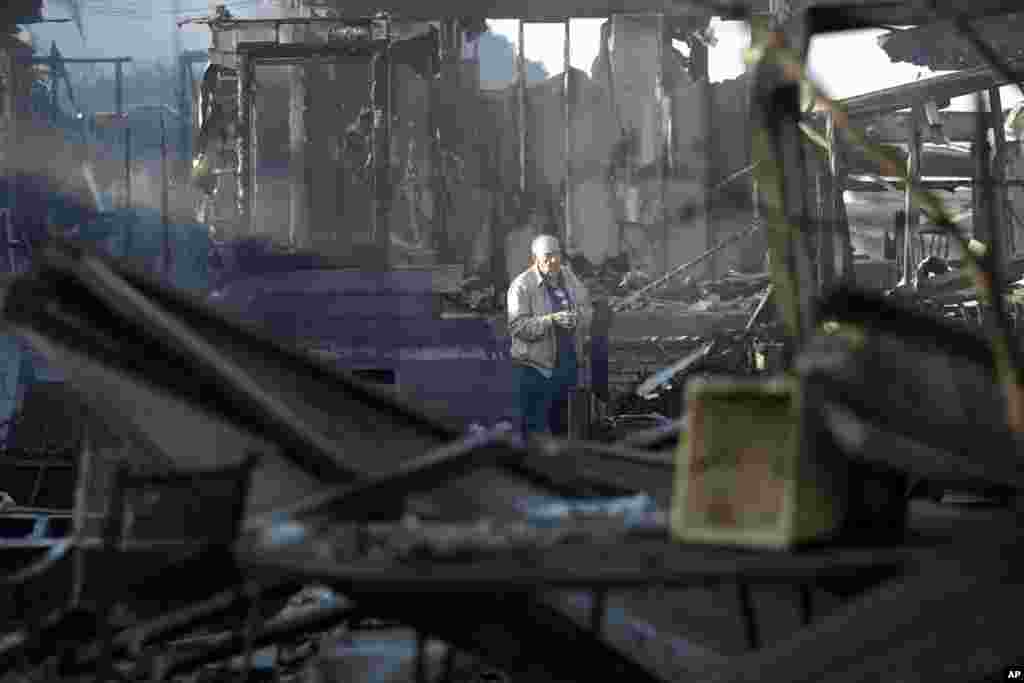
4/16Fire crews search for hot spots among destroyed homes in the Rancho Monserate Country Club community, Dec. 8, 2017, in Fallbrook, California.
5/16The Thomas fire burns through Los Padres National Forest near Ojai, California, Dec. 8, 2017.
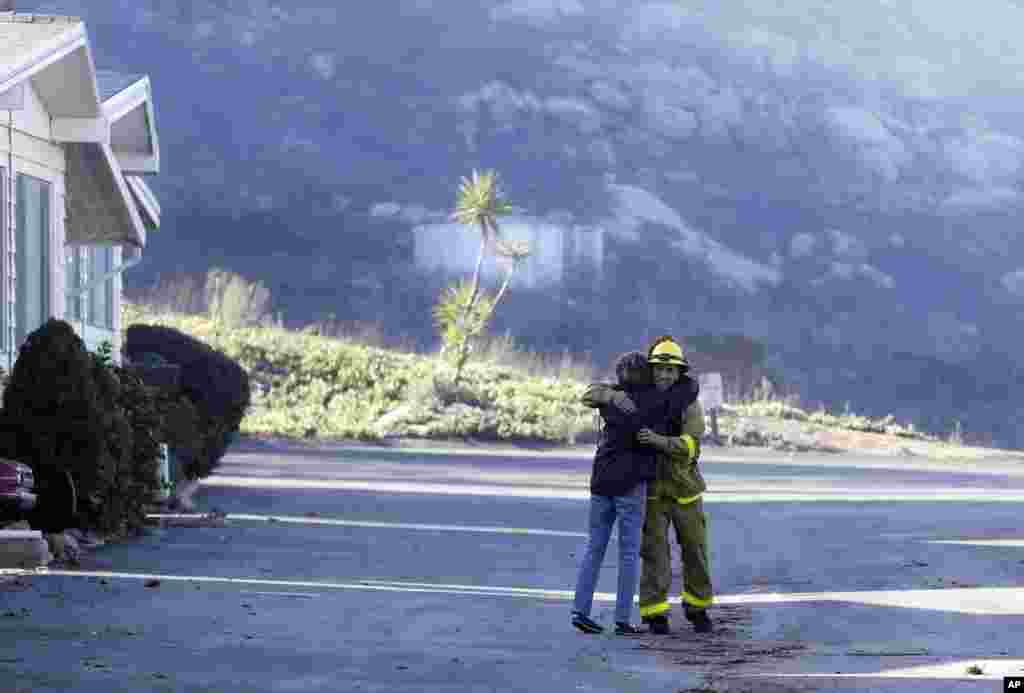
6/16Firefighter Simon Garcia, of Heartland Fire Dept., gets a hug from a woman who did not give her name after she arrived to find her house was intact in the Rancho Monserate Country Club, Dec. 8, 2017, in Fallbrook, California.
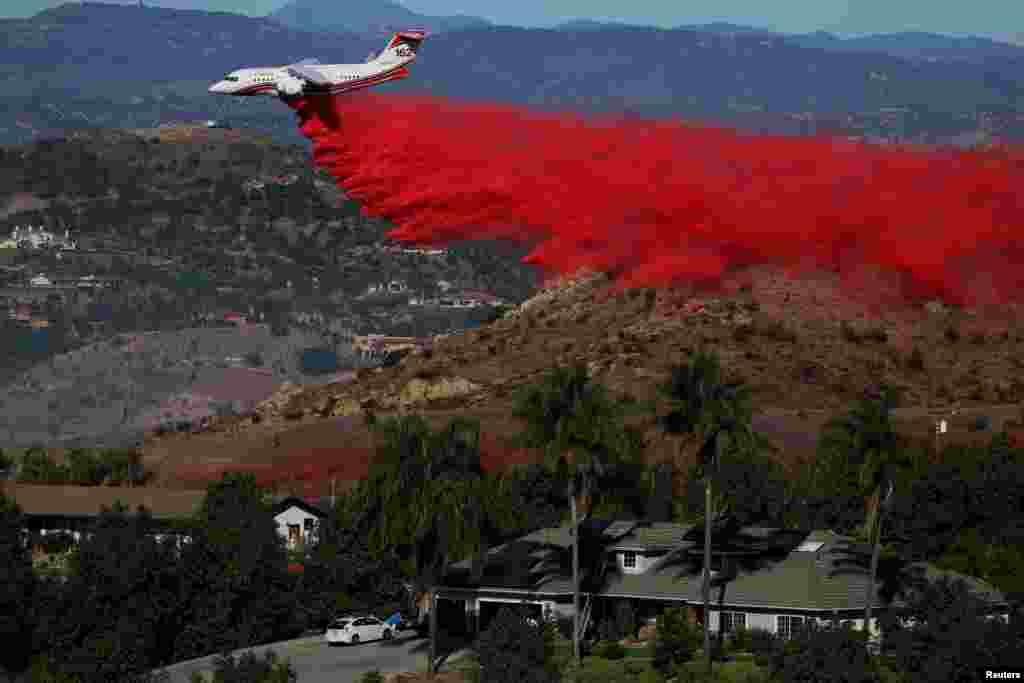
7/16An aircraft drops fire retardant as firefighters take advantage of light winds to attack the Lilac Fire, a fast-moving wildfire in Bonsall, California, Dec. 8, 2017.
8/16Dick Marsala looks through debris from his destroyed home after a wildfire roared through the Rancho Monserate Country Club, Dec. 8, 2017, in Bonsall, California.
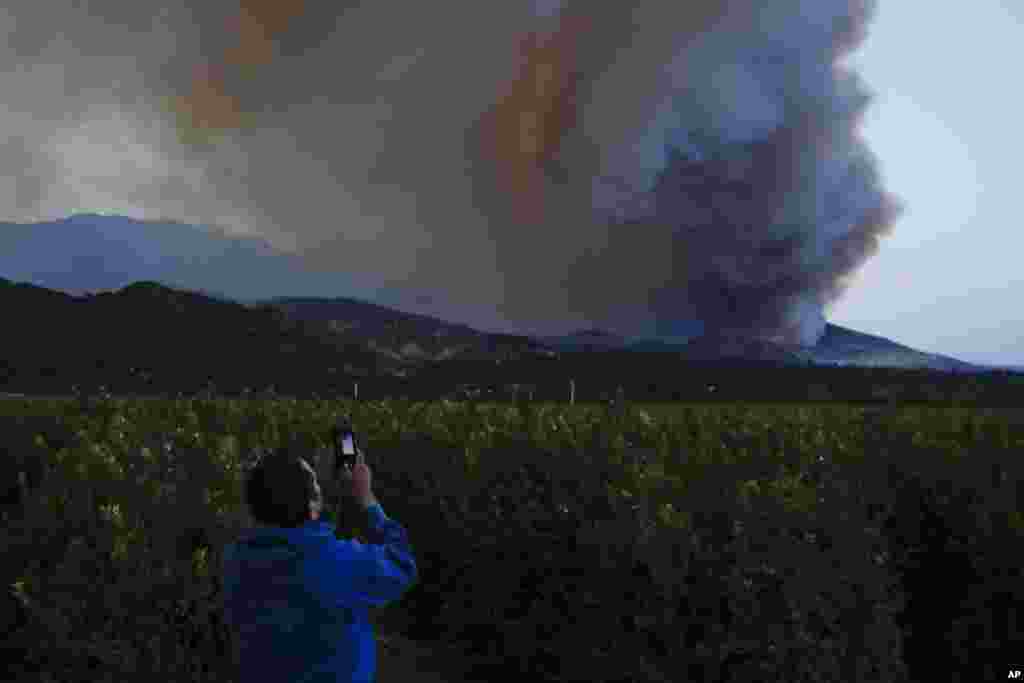
9/16Lupe Robles uses his phone to take pictures of a huge plume of smoke from a wildfire in Santa Paula, California, Dec. 7, 2017.
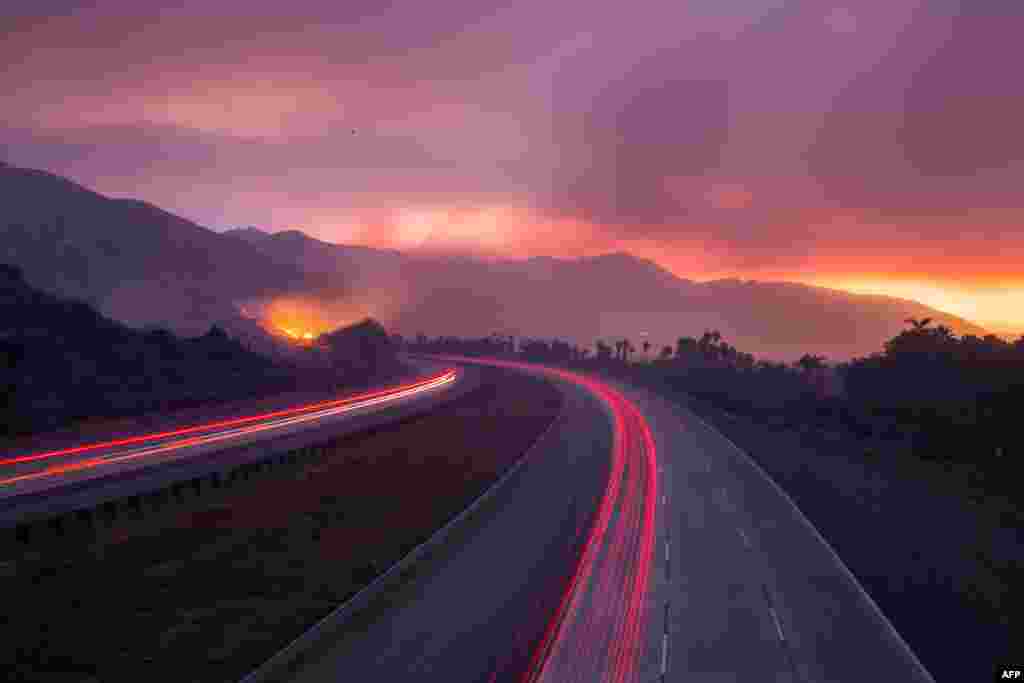
10/16The 101 Highway was closed after the Thomas Fire jumped the road towards the Pacific Coast Highway in Ventura, California, Dec. 7, 2017.
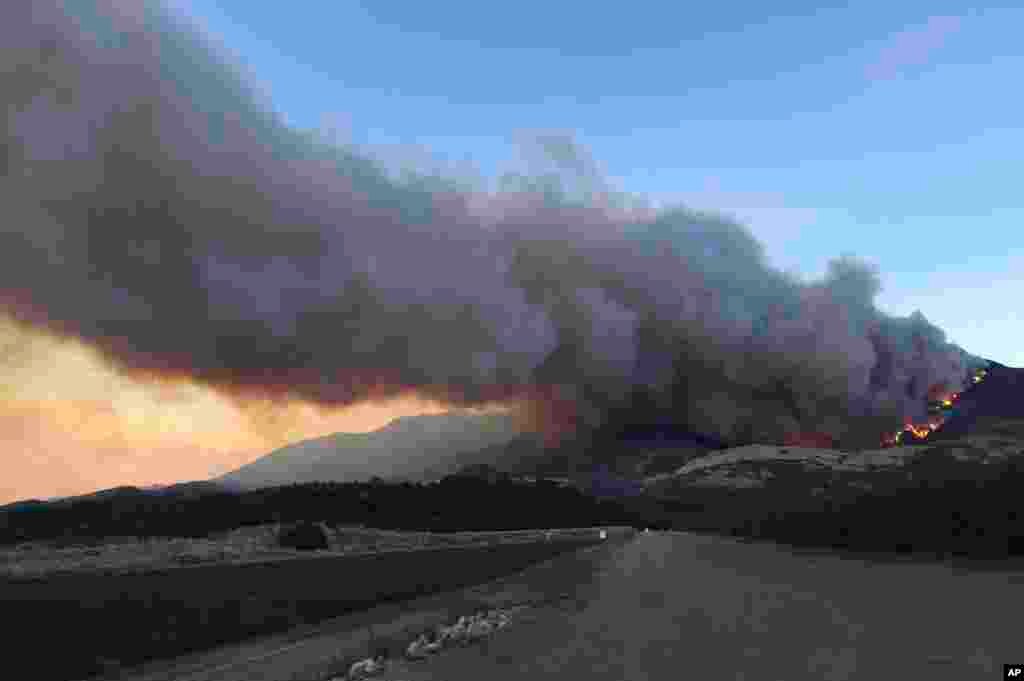
11/16A wildfire burns off of the hills next to CA-126 highway, just northwest of Fillmore, California, Dec. 7, 2017.
12/16Firefighter Ryan Spencer battles a wildfire as it burns along a hillside toward homes in La Conchita, California, Dec. 7, 2017.
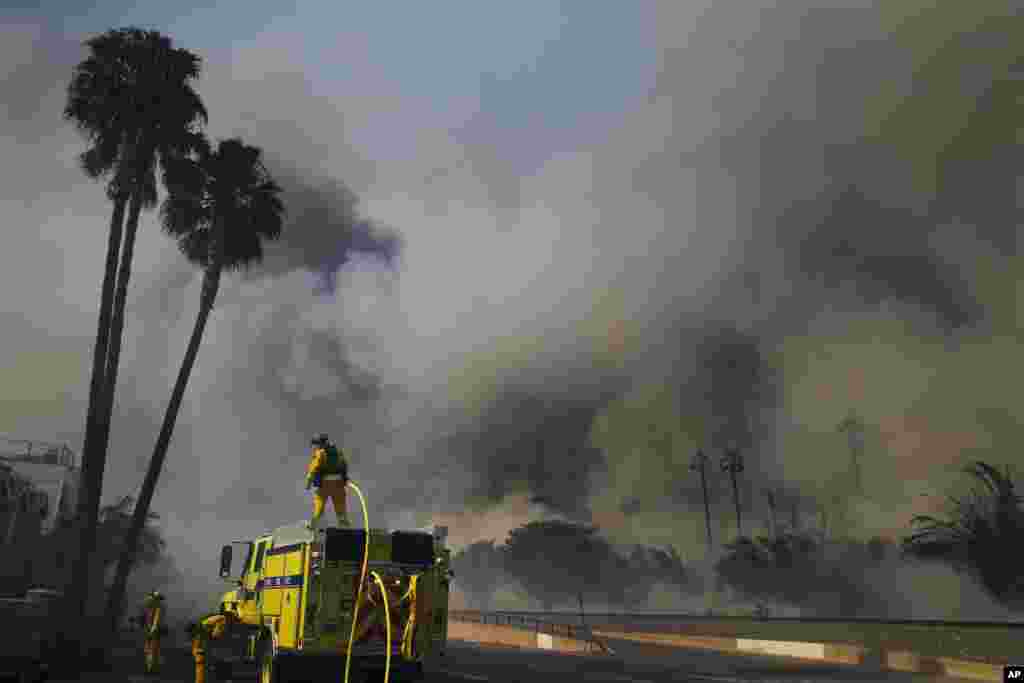
13/16Firefighters battle a wildfire as smoke rises from burning palm trees at Faria State Beach in Ventura, California, Dec. 7, 2017.
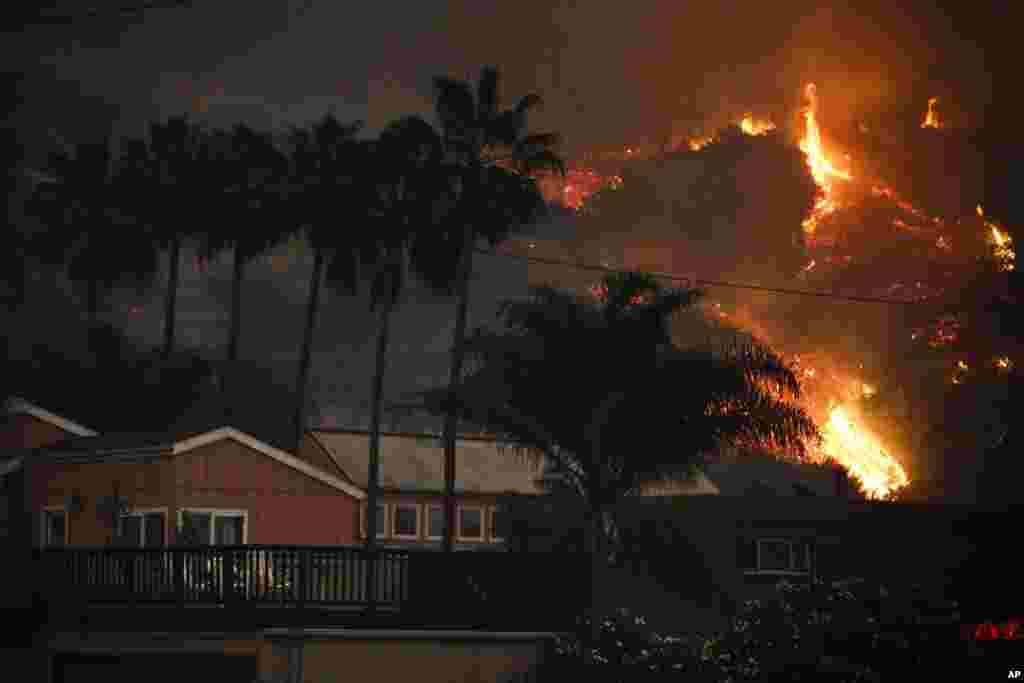
14/16A wildfire threatens homes as it burns along a hillside in La Conchita, California, Dec. 7, 2017.
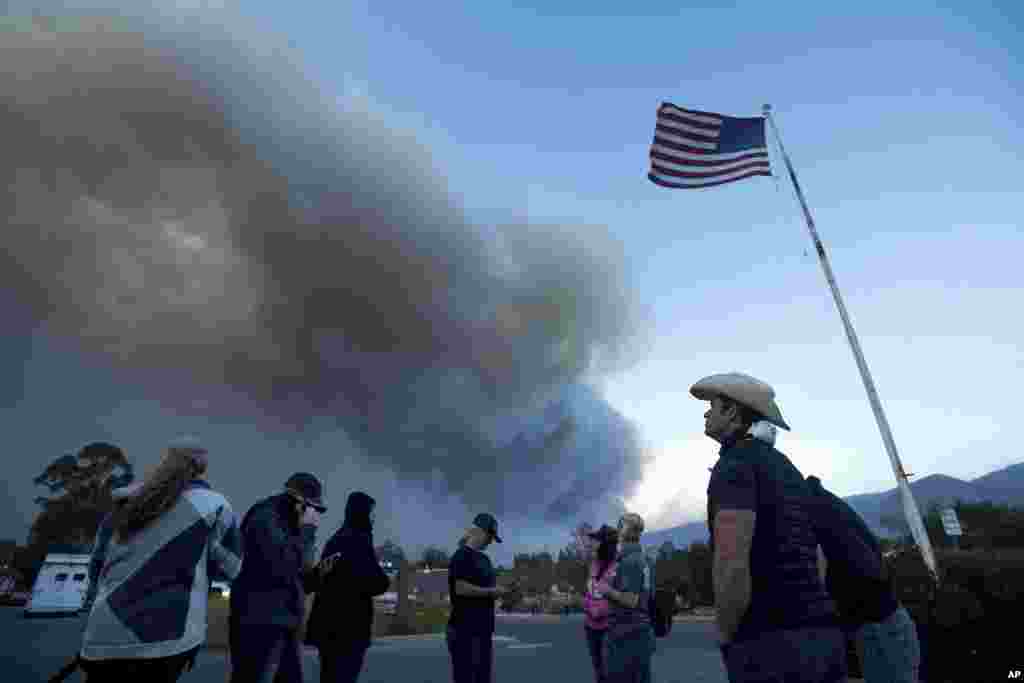
15/16A group of horse rescuers stages in a parking lot as smoke from the Thomas fire billows over Ojai, California, Dec. 7, 2017. The volunteers, who met through a Facebook group, estimated that they have evacuated more than 100 horses from the fire.
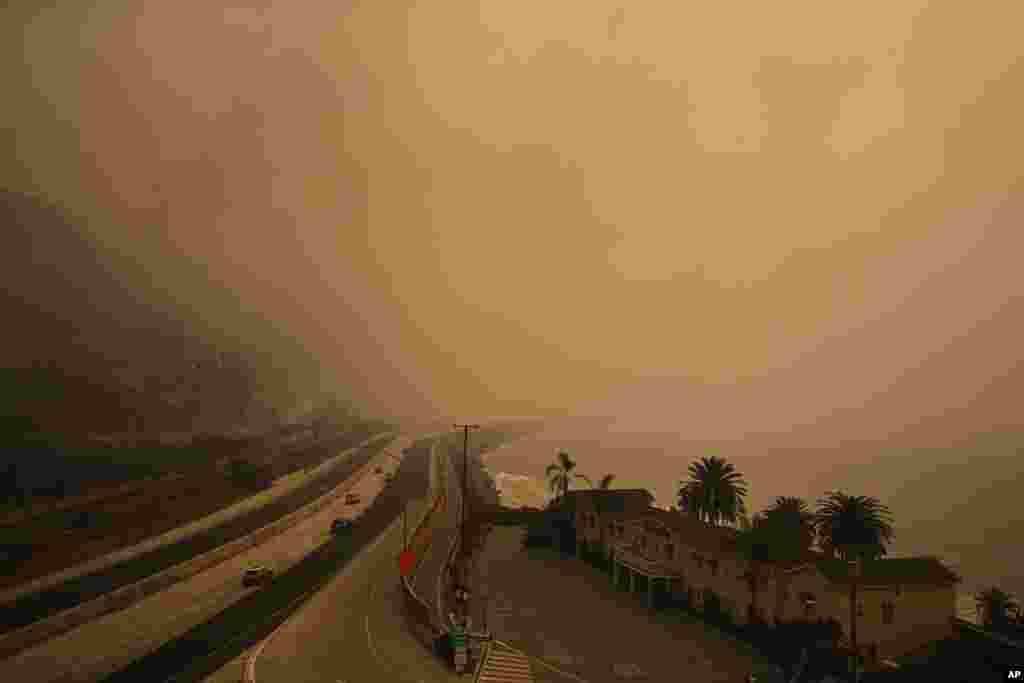
16/16Traffic moves along the 101 Freeway as smoke from a wildfire fills the air in Ventura, California, Dec. 7, 2017.
Previous slide
Next slide
Cal Fire official Tim Chavez said at a briefing late Monday the area 160 kilometers northwest of Los Angeles is a "very difficult place to fight fire." He said the last time the same area burned in a wildfire was 1964, so the fuel there is more than 50 years old.
More than 5,700 personnel are involved in fighting the Thomas Fire, one of several burning in Southern California.
But crews have made significant progress in bringing the other fires, which are much smaller, under control.
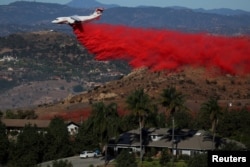
An aircraft drops fire retardant as firefighters take advantage of light winds to attack the Lilac Fire, a fast-moving wildfire in Bonsall, California, Dec. 8, 2017.
The fires have forced more than 200,000 people to evacuate their homes. The number grew Sunday with more evacuations in Santa Barbara as the biggest fire in the region spread west. Authorities have been handing out face masks to help protect people from smoke inhalation, and a number of schools have been closed.
President Donald Trump responded to the fires Friday by issuing a federal declaration of a state of emergency for California, paving the way for federal agencies to help coordinate relief efforts.
Fires are not uncommon in Southern California this time of year, before the winter rains set in, when the vegetation is tinder dry and winds blast the region. This year, however, has been particularly bad for California fires because of dry, hot and windy conditions that would be extreme for any season, including the winter season that is just two weeks away.
Just weeks ago, wildfires that broke out in Northern California killed 44 people and destroyed 8,900 homes and other buildings.
Trump declared the fires an emergency, and ordered federal assistance.
"The White House extends its thoughts and prayers with everyone affected by the wildfires, and appreciation to the first responders who put their lives on the line every day,” the White House said in a statement.

The Voice of America provides news and information in more than 40 languages to an estimated weekly audience of over 326 million people. Stories with the VOA News byline are the work of multiple VOA journalists and may contain information from wire service reports.