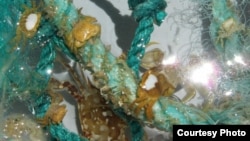
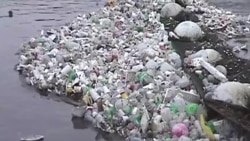
A section of plastic filament net is among the debris pulled from the open ocean. (Credit: G. Boyd, SEA Education Association)
Plastic pollution in the ocean is harboring colonies of bacteria that could be harmful, not only to marine animals, but also to humans.
Thoughtless habits and practices - a bottle dropped here, a bag thrown there - are creating garbage dumps in the world’s oceans. The flotilla of debris moves with the currents and harms fish and marine mammals that either ingest or get entangled in it.
But for some organisms, it's home. Scientists have discovered a wide diversity of microbes colonizing and thriving on plastic that is polluting the ocean in the so-called plastisphere.
Forever trash
It takes about six weeks for a plastic bag or bottle to ride the surface currents from the U.S. East Coast to the Sargasso Sea, in the center of the North Atlantic. The area is a gyre, essentially a big whirlpool that traps and swirls the debris which, unlike other types of trash in the ocean, never bio-degrades.
“We hypothesized that the microbes on plastic were specifically interacting with it, rather than just a random association," Mincer said. "It’s not just flypaper that is just grabbing on to anything. Things are actually specifically interacting with plastic for a reason.”
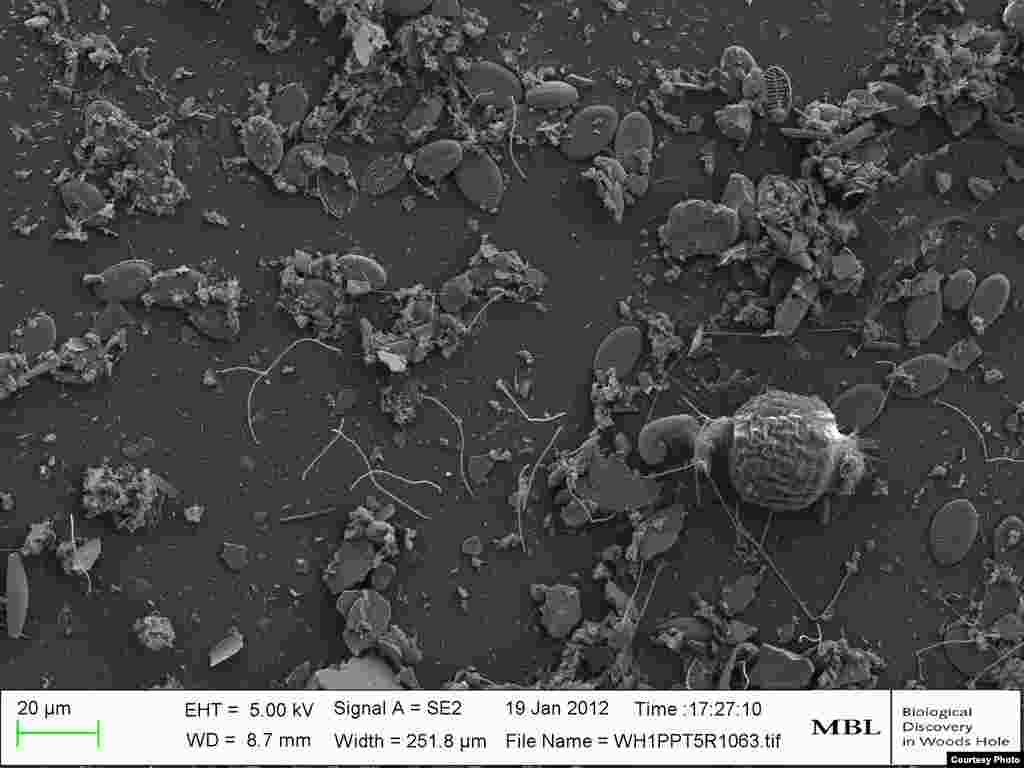
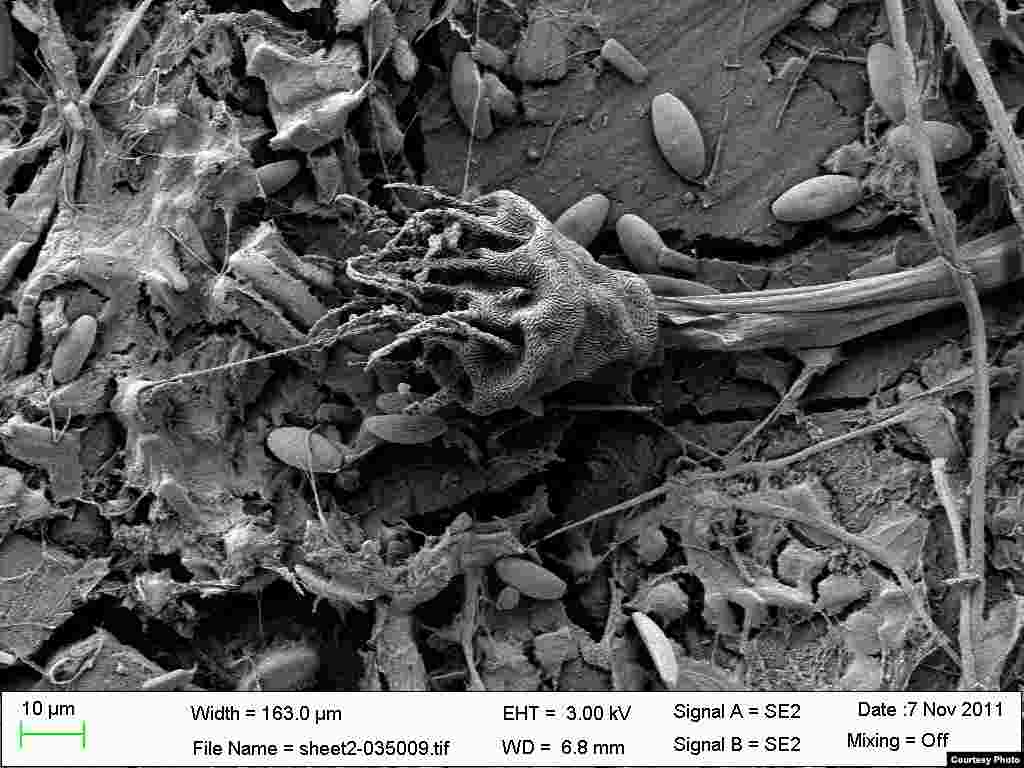
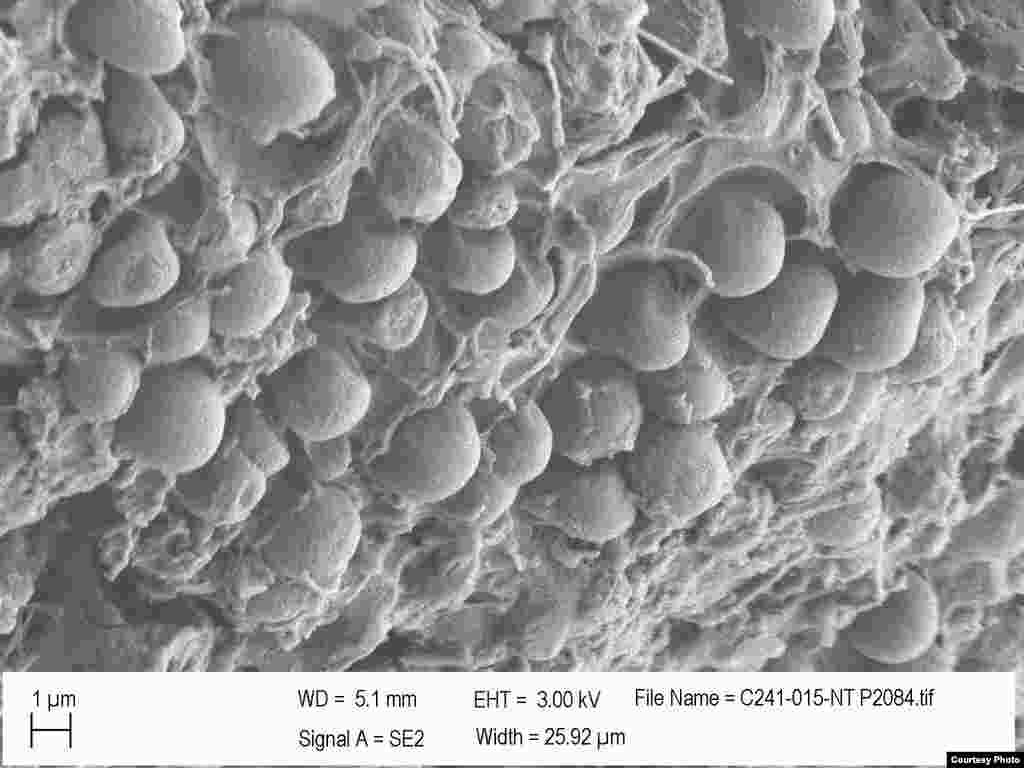
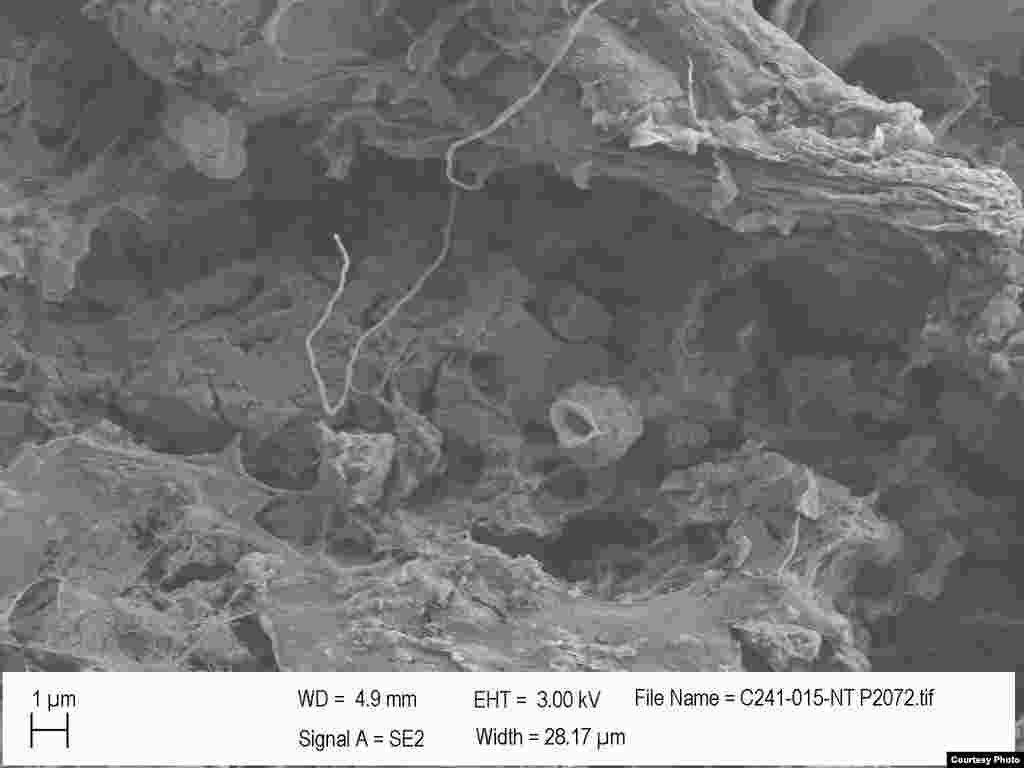
The team skimmed the surface with fine nets, collecting confetti size bits of plastic. They analyzed the plastic with electron scanning tools and gene sequencing techniques. They found rich colonies of bacteria, including some that they hadn’t expected, which they called 'pit formers.'
Microbe Colonies Thrive on Ocean Plastic Debris
1/11Sea Education Association (SEA) sailing research ship Corwith Cramer under sail. (Credit: E. Zettler, SEA Education Association)
Thoughtless habits and practices - a bottle dropped here, a bag thrown there - are creating garbage dumps in the world’s oceans. The flotilla of debris moves with the currents and harms fish and marine mammals that either ingest or get entangled in it. But for some organisms, it's home.
Show moreShow less
2/11SEA Semester Chief Mate Rocky Hadler tows a net aboard the Crowith Cramer. (Credit: E. Zettler, SEA Education Association)
Thoughtless habits and practices - a bottle dropped here, a bag thrown there - are creating garbage dumps in the world’s oceans. The flotilla of debris moves with the currents and harms fish and marine mammals that either ingest or get entangled in it. But for some organisms, it's home.
Show moreShow less
3/11SEA Semester students Allison Adams and Annie Scofield retrieve nets with plastic and plankton in them. (Credit: E. Zettler, SEA Education Association)
Thoughtless habits and practices - a bottle dropped here, a bag thrown there - are creating garbage dumps in the world’s oceans. The flotilla of debris moves with the currents and harms fish and marine mammals that either ingest or get entangled in it. But for some organisms, it's home.
Show moreShow less
4/11Section of plastic filament net pulled aboard from the open ocean. (Credit: G. Boyd, SEA Education Association)
Thoughtless habits and practices - a bottle dropped here, a bag thrown there - are creating garbage dumps in the world’s oceans. The flotilla of debris moves with the currents and harms fish and marine mammals that either ingest or get entangled in it. But for some organisms, it's home.
Show moreShow less
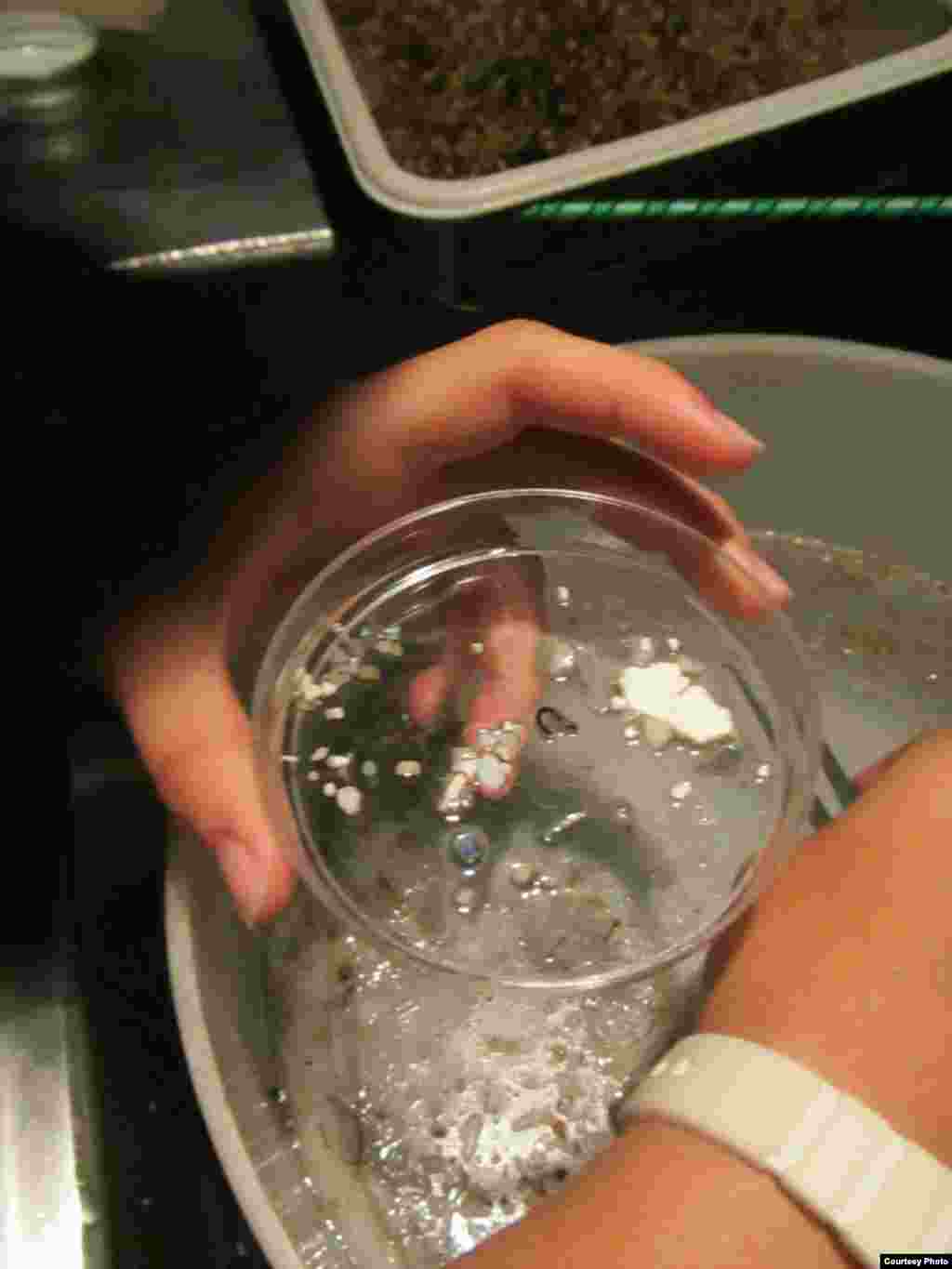
5/11Plastic marine debris pieces picked from net contents. (Credit: E. Zettler, SEA Education Association)
Thoughtless habits and practices - a bottle dropped here, a bag thrown there - are creating garbage dumps in the world’s oceans. The flotilla of debris moves with the currents and harms fish and marine mammals that either ingest or get entangled in it. But for some organisms, it's home.
Show moreShow less
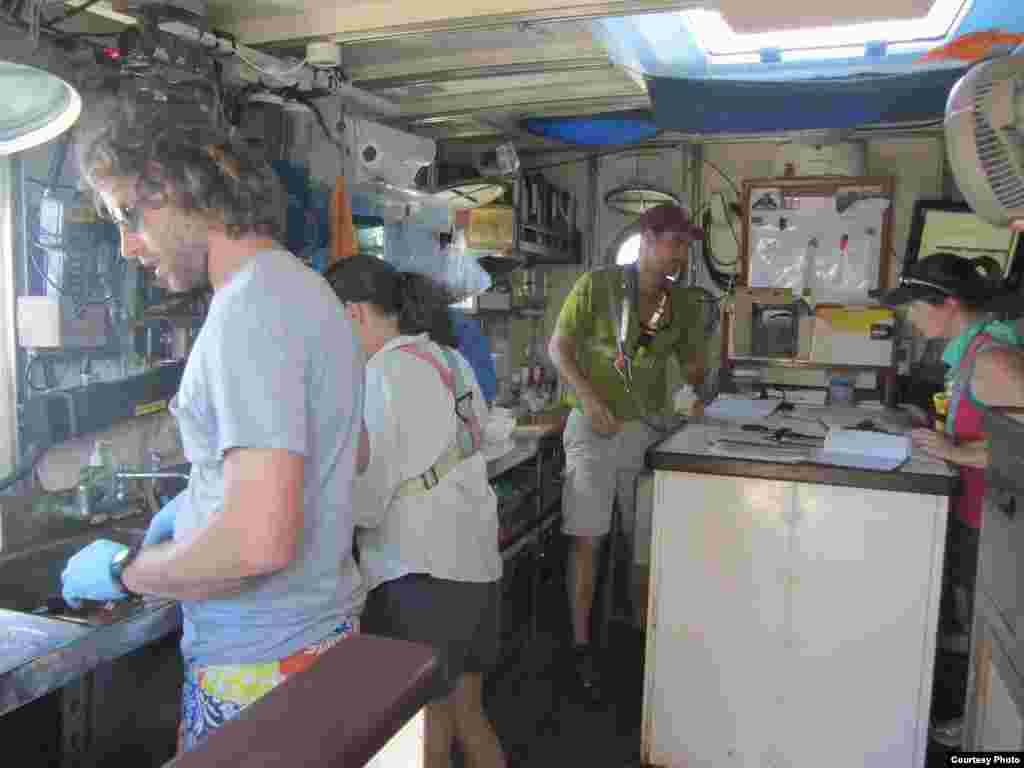
6/11Students and scientists work in the shipboard laboratory. (Credit: E. Zettler, SEA Education Association)
Thoughtless habits and practices - a bottle dropped here, a bag thrown there - are creating garbage dumps in the world’s oceans. The flotilla of debris moves with the currents and harms fish and marine mammals that either ingest or get entangled in it. But for some organisms, it's home.
Show moreShow less
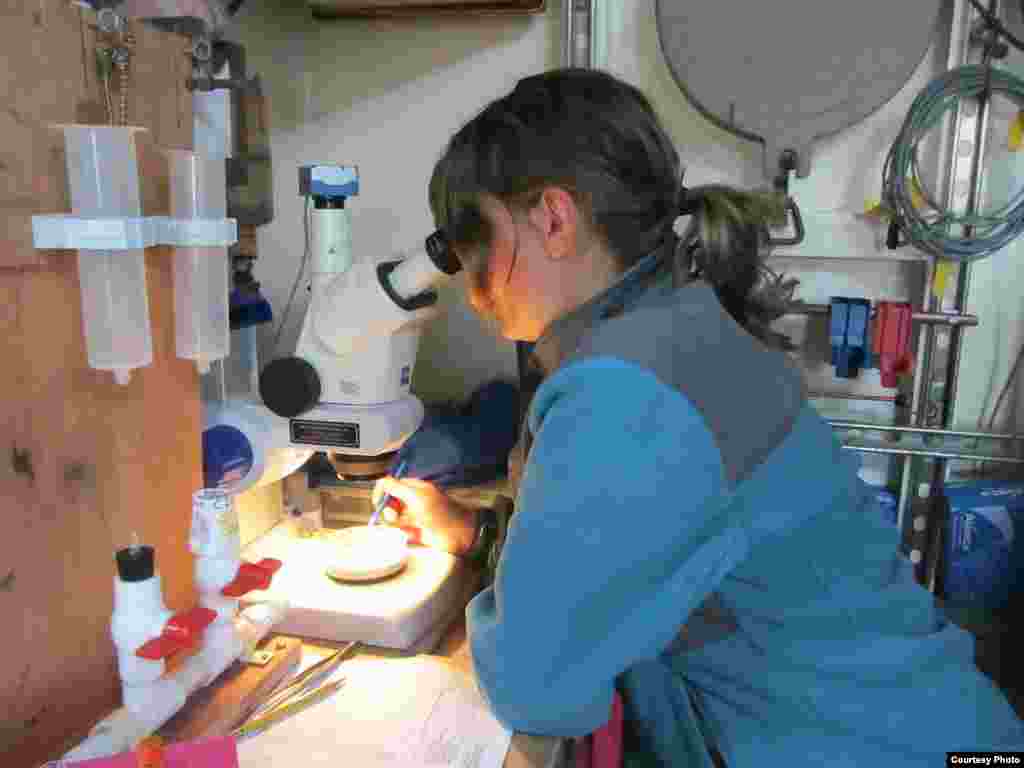
7/11SEA student Allison Adams sorts plastic under a microscope. (Credit: E. Zettler, SEA Education Association)
Thoughtless habits and practices - a bottle dropped here, a bag thrown there - are creating garbage dumps in the world’s oceans. The flotilla of debris moves with the currents and harms fish and marine mammals that either ingest or get entangled in it. But for some organisms, it's home.
Show moreShow less
8/11An experiment shows biofilm of micro-organisms that develop after only a couple of weeks in the open ocean. (Credit: Lily Patterson & Helena Oldenbourg)
Thoughtless habits and practices - a bottle dropped here, a bag thrown there - are creating garbage dumps in the world’s oceans. The flotilla of debris moves with the currents and harms fish and marine mammals that either ingest or get entangled in it. But for some organisms, it's home.
Show moreShow less
9/11A piece of trash that got away hosts variety of single-celled organisms in the Sargasso Sea. (Credit: E. Zettler, SEA Education Association)
Thoughtless habits and practices - a bottle dropped here, a bag thrown there - are creating garbage dumps in the world’s oceans. The flotilla of debris moves with the currents and harms fish and marine mammals that either ingest or get entangled in it. But for some organisms, it's home.
Show moreShow less
10/11Scientists suspect that the pit forming bacteria may play a role in degrading plastics. (Credit: E. Zettler, SEA Education Association)
Thoughtless habits and practices - a bottle dropped here, a bag thrown there - are creating garbage dumps in the world’s oceans. The flotilla of debris moves with the currents and harms fish and marine mammals that either ingest or get entangled in it. But for some organisms, it's home.
Show moreShow less
11/11Pit-forming bacteria on pieces of weathered pieces of plastic retrieved from the Sargasso Sea in the North Atlantic. (Credit: E. Zettler, SEA Education Association)
Thoughtless habits and practices - a bottle dropped here, a bag thrown there - are creating garbage dumps in the world’s oceans. The flotilla of debris moves with the currents and harms fish and marine mammals that either ingest or get entangled in it. But for some organisms, it's home.
Show moreShow less
Previous slide
Next slide
“We were surprised when we saw microbes that appeared to be hydrolyzing [breaking down] the plastic and etching into it," said Mincer, "as well as just a whole other amazing ecosystem that was thriving on this plastic surface.”
The organisms in this plastisphere were different from those in the surrounding nutrient-poor water, indicating that the plastic acts as an artificial microbial reef, one that could harbor disease-causing pathogens and other harmful algal species.
“It’s certainly possible. And a lot of time certain toxins are oily in nature and they will absorb on to the plastic, but when the microbes interact with it they could be releasing those toxins off of the plastics,” Mincer said.
Hormonal effects
Some of those additives are known to have hormonal effects in humans.
More than 90 percent of the trash floating on the ocean surface is plastic. The largest of the planet's five gyre sites is the Great Pacific Garbage Patch, which is twice the size of Texas. Mincer says with so much plastic out there, it is important to know how it impacts marine species and by extension, people.
“Fish are eating the plastic," Mincer said. "Are they picking up certain toxins from the plastic or not? And what does happen to plastic once it goes out into this environment? Does it eventually degrade into little tiny bits? And then what does it do? Do the microbes make it heavier and make it sink quicker? Does it go away? Is it a problem?”
The initial survey identified about 1,000 microbes that live on and interact with plastic. The next step is to sequence their genomes to get a better idea of whether or not they could be harmful pathogens.
Related story by Zulima Palacio - Plastics in Oceans, More Damaging Than Climate Change: