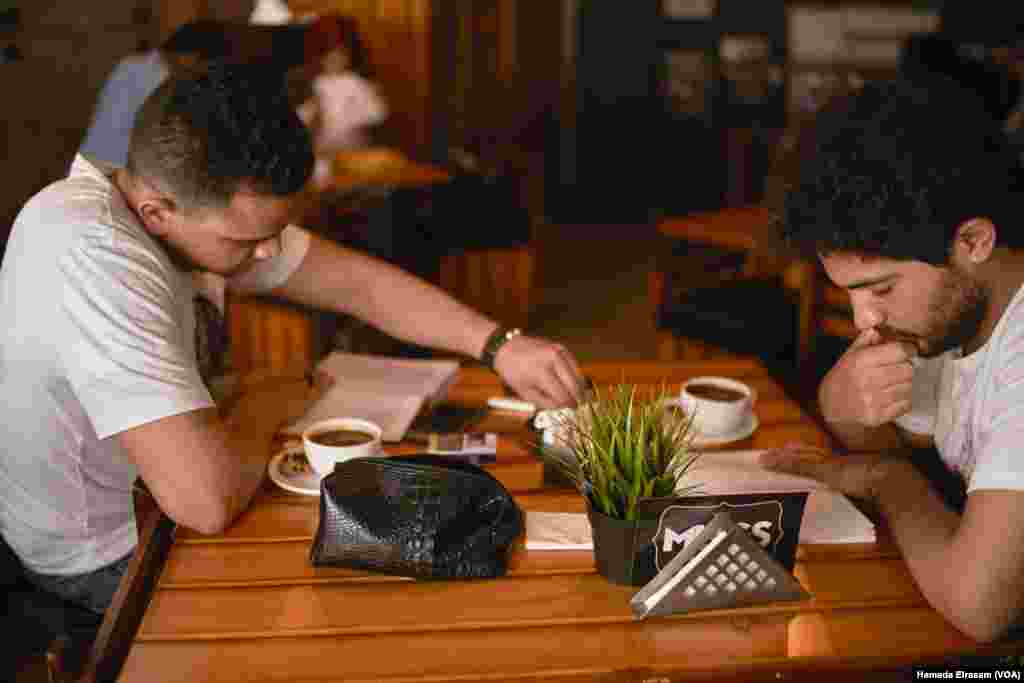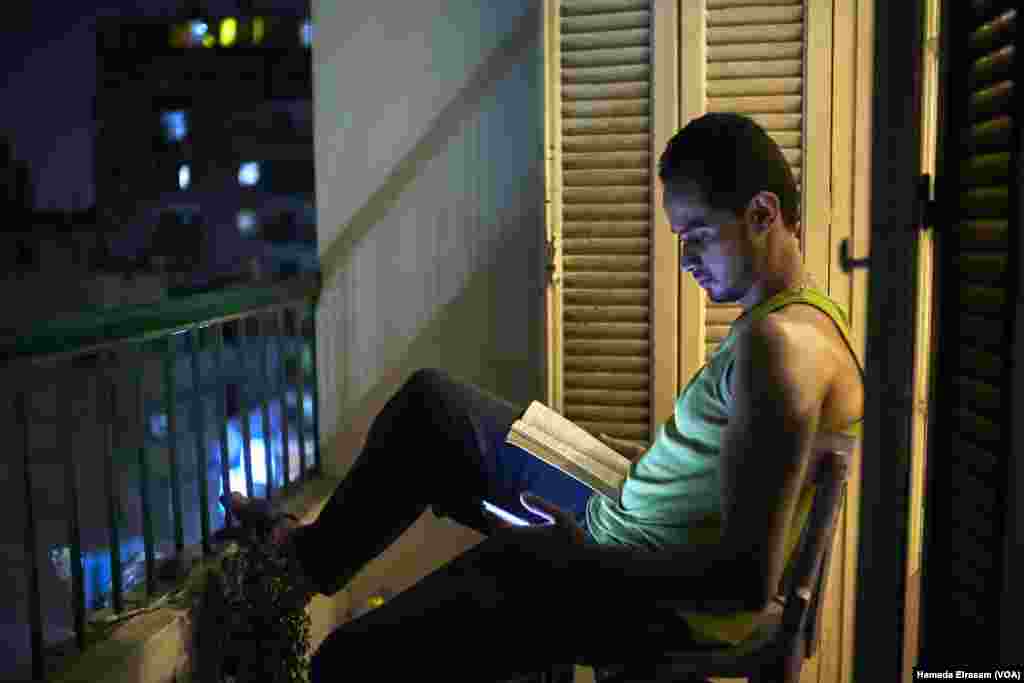




“I can never stay here during the day. It is like a grill,” complains Sanad, a doctoral student from Yemen, of his sweltering Cairo apartment. “I go to places where there is air conditioning.” He often sleeps on his balcony.
ALEXANDRIA, EGYPT —
Researchers say Egypt, with its arid, sun-scorched landscape and its limited sources of water, is one of the countries potentially most at risk of suffering dramatic effects of climate change.At no time of year is climate change more on the minds of Egyptians than summer, when many try to escape temperatures that have historically reached as high as 47 degrees Celsius. Photojournalist Hamada Elrasam shows how Egyptians, are coping.
As Temperatures Rise, Egyptians Cope
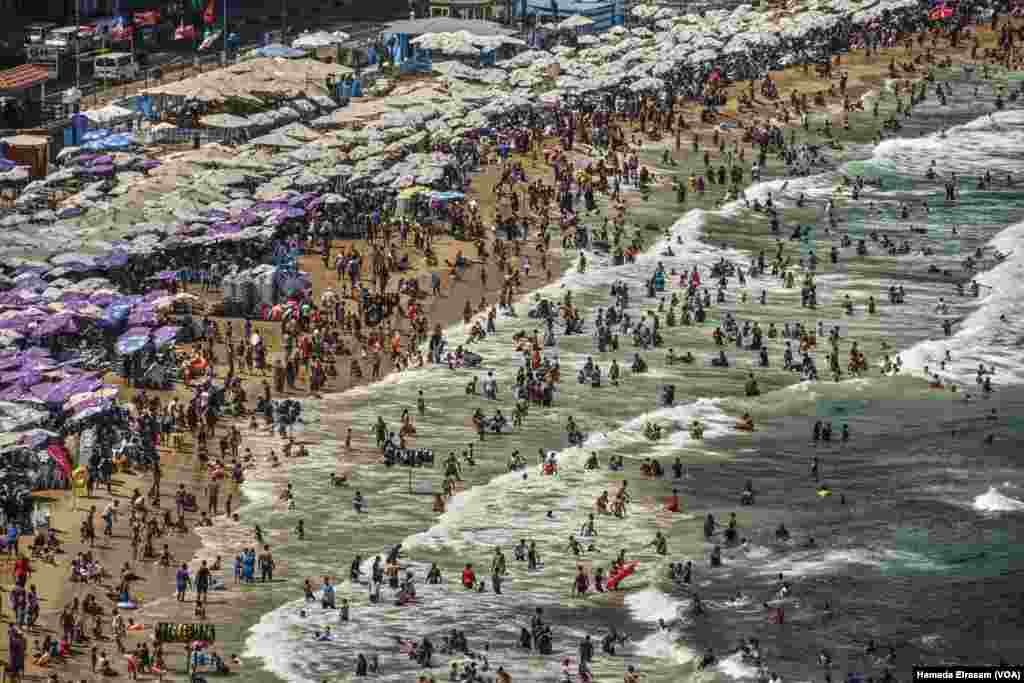
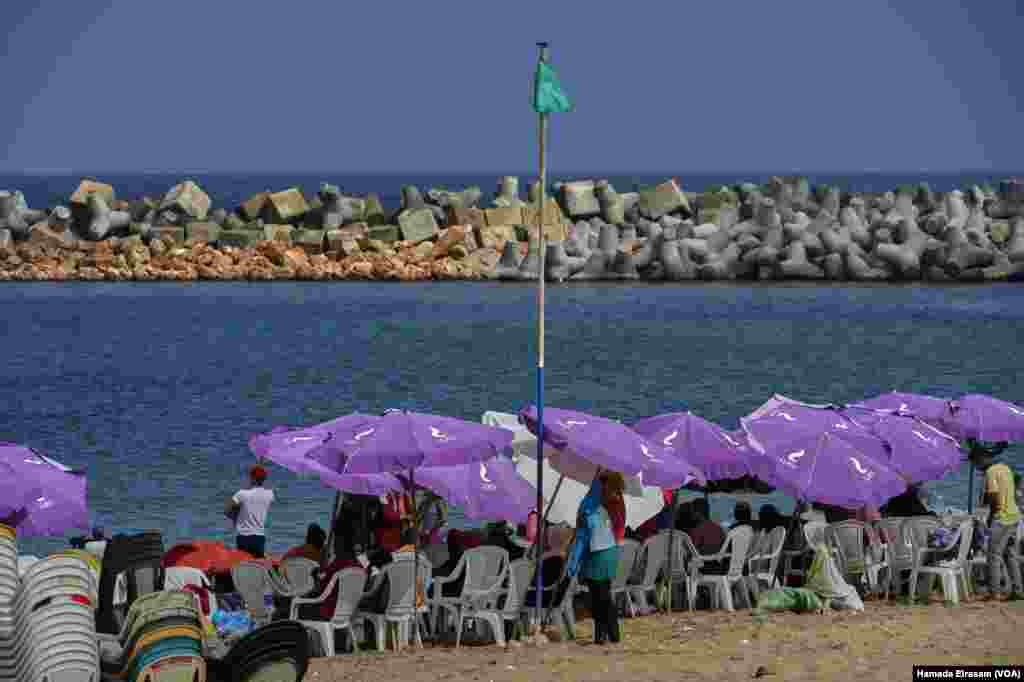
1/15Egypt’s summer temperatures send a sea of people to the seashore at Miami Beach, in the port city of Alexandria.
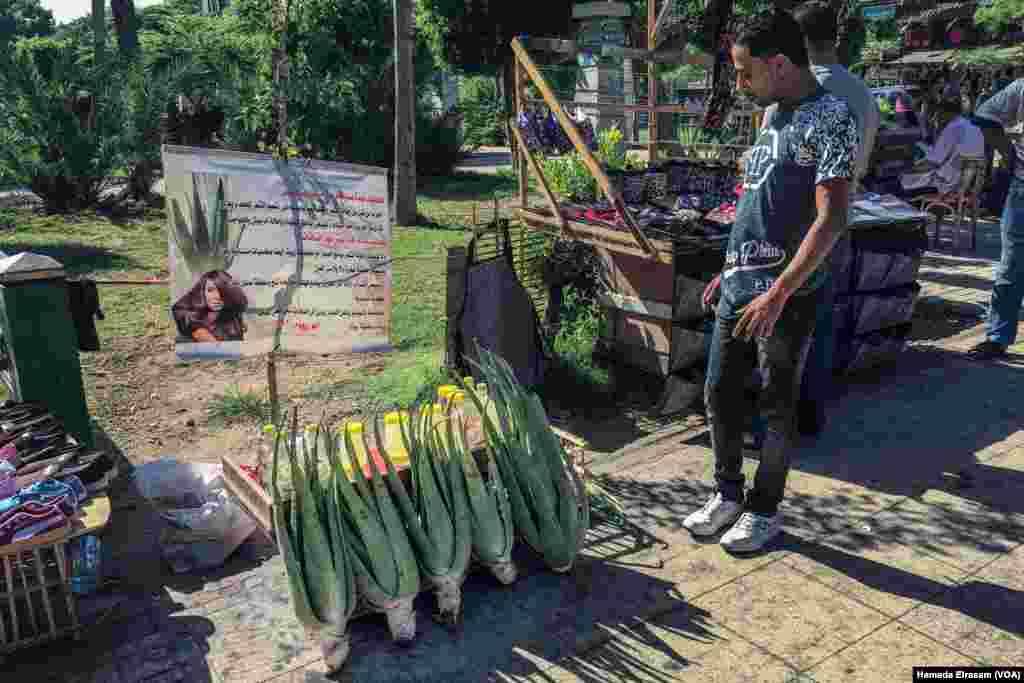
2/15A sidewalk vendor in Alexandria peddles aloe vera, a succulent popular for treating sunburn. Proven or not, many Egyptians complain the sun seems to get stronger each year and doctors warn of skin cancer as one of the dangers of overexposure.
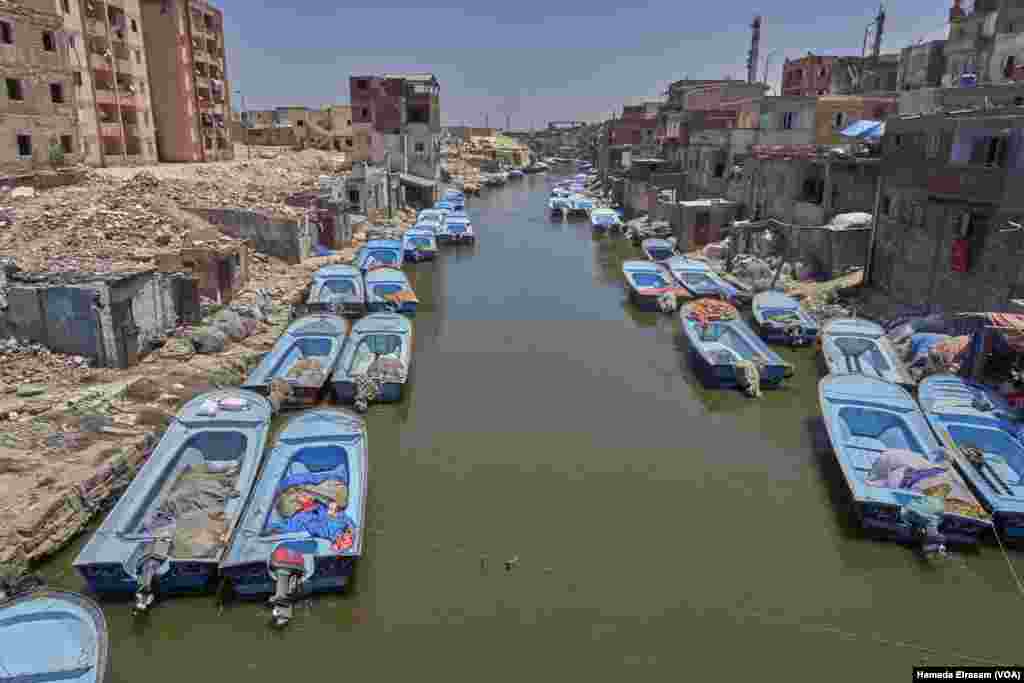
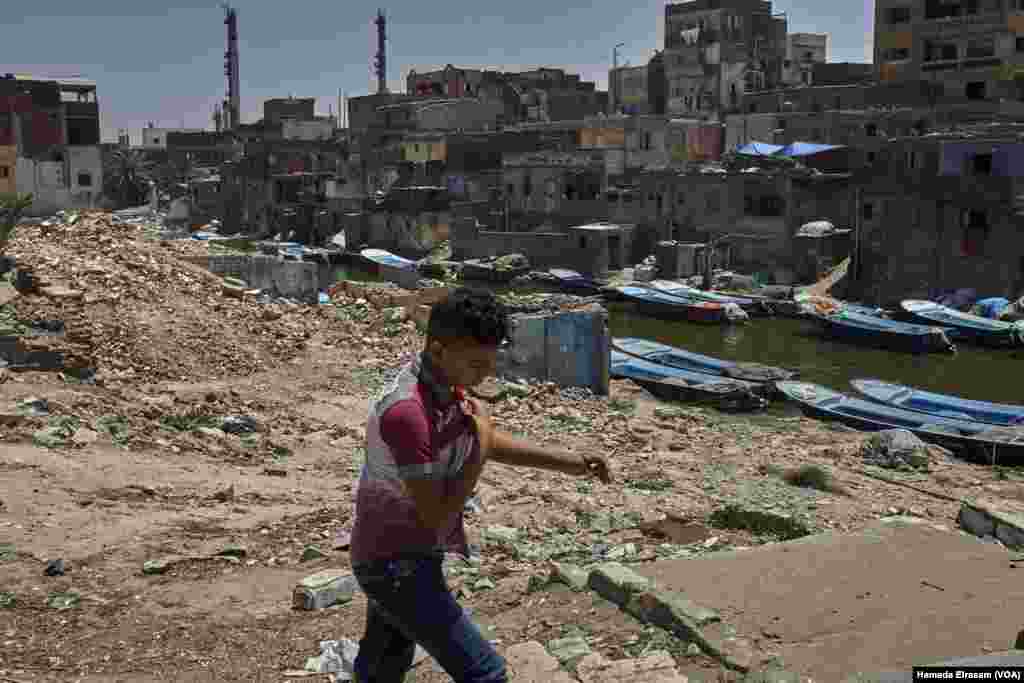
3/15Residents of the fishing community of al Max say sea rising sea levels are weakening the soil and foundations of their homes, forcing some to evacuate to other parts of the city.
4/15Fishing has long been the mainstay of al Max’s residents. Now, fishermen who have evacuated to firmer ground commute back to the neighborhood daily to work.
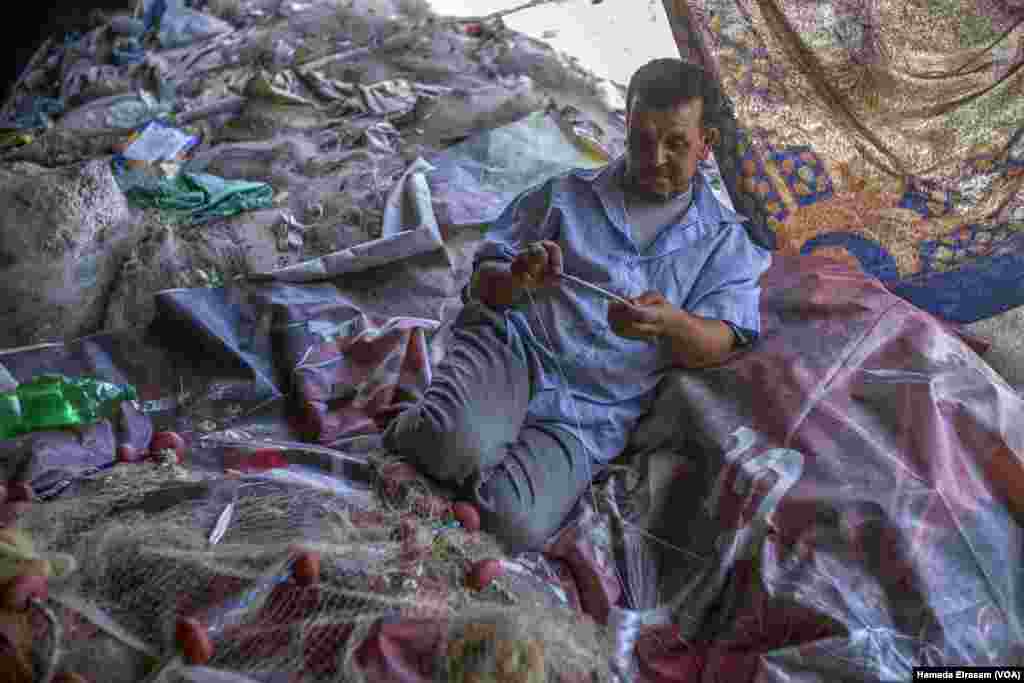
5/15Adapting to the new reality has not been easy. “We are fishes in water. We will die if we leave al Max. Our lives are here,” says Rayes Alaa a fishnet maker.
6/15 A battle against the tide. Alexandria municipal officials have built breakwaters using cementite in Alexandria’s Miami Beach. Observers say rising sea levels are one reason
8/15“I can never stay here during the day. It is like a grill,” complains Sanad, a doctoral student from Yemen, of his sweltering Cairo apartment. “I go to places where there is air conditioning.” He often sleeps on his balcony.
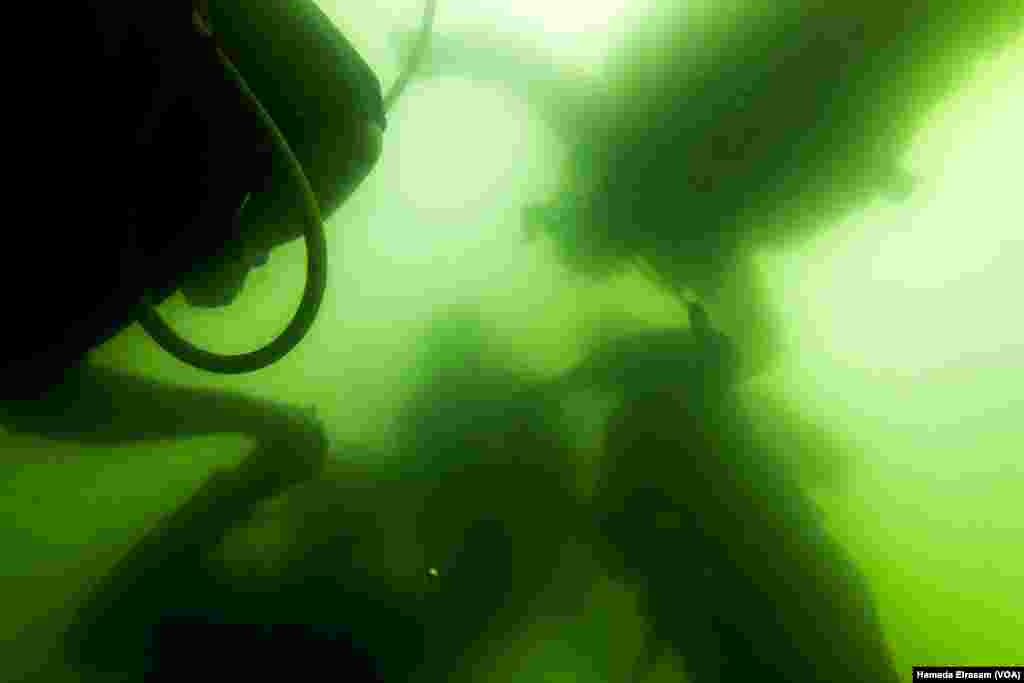
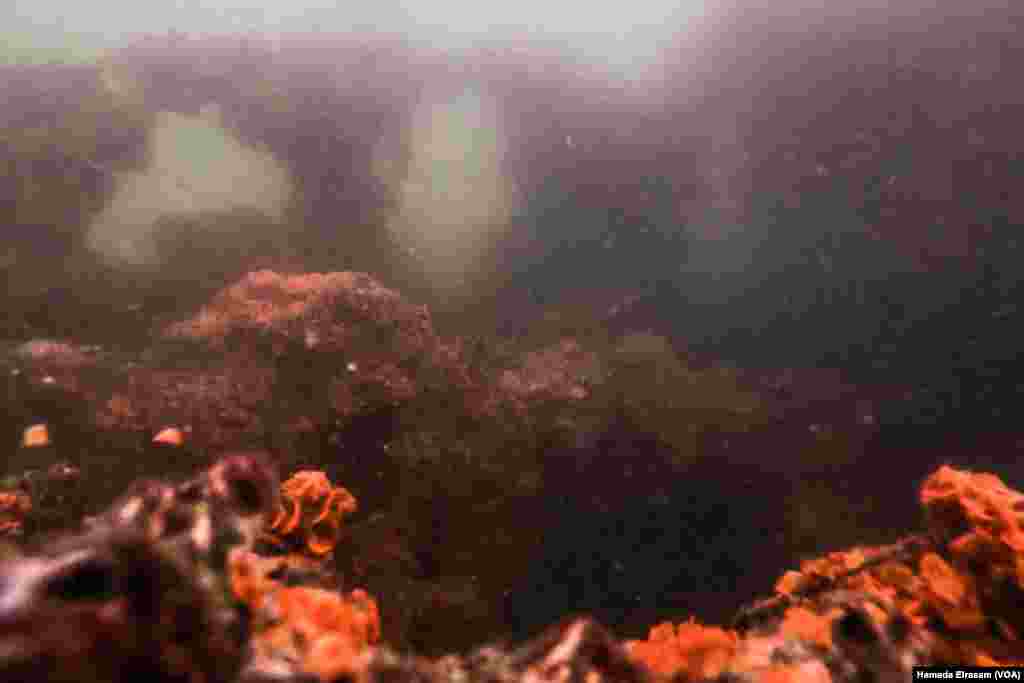
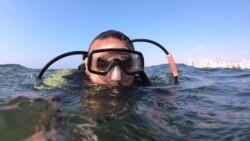
11/15Divers descend to Cleopatra’s sunken palace, part of a submerged ancient complex discovered in the 1990s. The high concentration of algae, which blooms when temperatures are unusually warm, makes it difficult for the divers, including this photojournalist
12/15The ruins of Cleopatra’s sunken palace. The Mediterranean’s waters are murky with rust and pink algae, which thrives in the warmer-than-usual temperatures.
14/15Divers hold an ancient amphora found among the ruins of the sunken palace. The sprawling ancient complex was the setting of dramatic episodes between Egypt’s last Greek-speaking queen, Cleopatra, and Mark Antony, the Roman general she seduced before the c
About the photographer: Photojournalist and videographer Hamada Elrasam takes an in-depth approach to reporting, literally. In addition to being an accomplished photojournalist, Elrasam, based in Cairo, is an avid SCUBA diver and holds a rescue diver certification by the California-based Professional Association of Diving Instructors. “I thought of stretching my limits to go beyond the norm and bring stories that will teach us something,” Hamada says.